
TL;DR

Get the little things that make your day delivered free with Prime
- Fast, free delivery on millions of items
- Prime Video, Amazon Music and more included
- Member-only deals all year
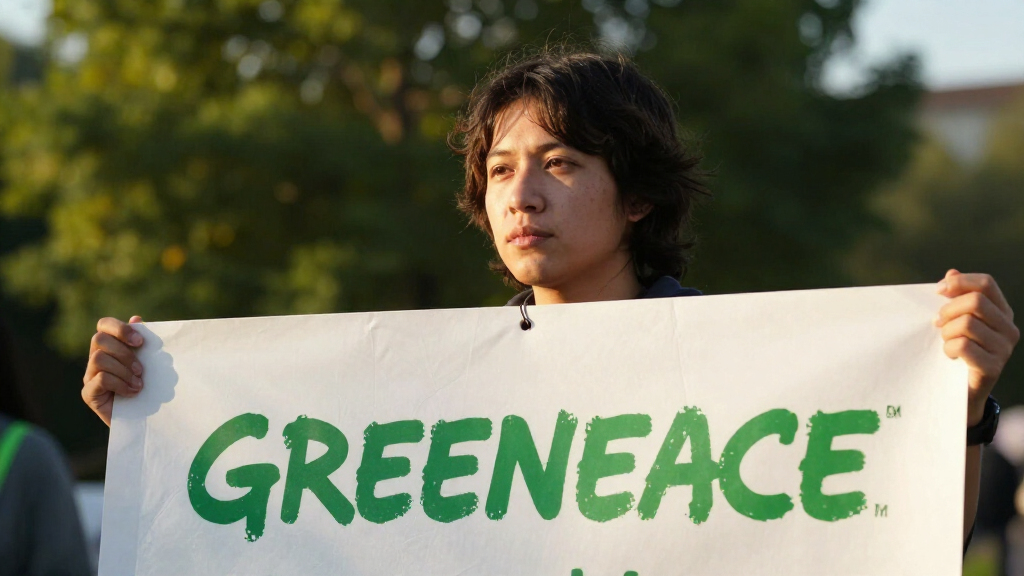
Greenpeace has experienced a dramatic rise in media mentions, increasing 17 times over baseline levels. This surge indicates heightened global attention to the organization and its campaigns, though the reasons for this spike are still being analyzed.
Greenpeace’s media coverage has surged 17 times over baseline levels, according to the latest data from the GDELT project. This marks a significant increase in global attention toward the environmental organization, with implications for public discourse and policy influence.
The GDELT database reports that Greenpeace was mentioned 17 times in media outlets worldwide within the recent reporting window, compared to a baseline of 1 mention. This surge has been observed across multiple regions and media types, including news outlets, social media, and online platforms. Experts suggest that this spike may be linked to recent Greenpeace campaigns, high-profile protests, or environmental issues gaining prominence in global news cycles. Greenpeace has not issued an official statement regarding this surge, but analysts note it reflects a broader trend of increasing media focus on environmental activism. The causes behind the spike are still under investigation, and it is unclear whether this will translate into sustained attention or specific policy impacts.Implications of the Media Coverage Increase for Greenpeace
The surge in media mentions indicates a significant rise in public and media interest in Greenpeace, which could enhance the organization’s influence on environmental debates and policymaking. Increased coverage often correlates with higher public awareness, potential fundraising boosts, and greater pressure on governments and corporations to address environmental issues. However, it also raises questions about the motivations behind the spike and whether it will lead to tangible outcomes or is a temporary media phenomenon.
Popular right now

Dyson V8 Cyclone Cordless Vacuum

De'Longhi Magnifica XS ECAM22110B Automatic Espresso Machine

Dyson W1 PencilWash Cordless Wet and Dry Floor Cleaner with Dock
As an affiliate, we earn on qualifying purchases.
Recent Trends in Greenpeace Media Visibility and Campaigns
Greenpeace has historically been a prominent environmental organization, often making headlines through protests, reports, and campaigns focused on climate change, deforestation, and pollution. Over the past year, Greenpeace has launched several high-profile initiatives, including protests against fossil fuel projects and campaigns advocating for renewable energy. The recent surge in coverage coincides with these activities, as well as broader media focus on environmental crises such as wildfires, extreme weather events, and international climate negotiations. The GDELT data indicates that this spike is unusual in magnitude, suggesting a possible shift in media dynamics or Greenpeace’s strategic outreach.
Factors Driving the Media Coverage Surge Remain Unclear
It is not yet confirmed what specific events or campaigns triggered this surge. Analysts are still investigating whether recent Greenpeace actions, external environmental crises, or media cycles are primarily responsible. Additionally, the longevity of this increased coverage and its potential impact on policy or public opinion remain uncertain at this stage.
Monitoring Media Trends and Greenpeace’s Response
Media analysts will continue to track Greenpeace mentions and coverage patterns in the coming weeks. Greenpeace is expected to engage with the media to clarify its recent activities and campaigns. Observers will also watch for any subsequent policy developments or public actions that may stem from this increased attention.
Key Questions
Why has Greenpeace suddenly received so much media attention?
The exact cause is still unclear, but it likely relates to recent campaigns, protests, or environmental crises gaining prominence in the news cycle. Further analysis is needed to confirm specific triggers.
Will this surge in coverage lead to policy changes?
It is too early to determine. Increased media attention can influence policymakers, but whether it results in concrete actions depends on various factors, including political context and public response.
How long will this heightened coverage last?
Media trends are unpredictable. The current spike may be temporary or part of a longer-term shift, but ongoing monitoring will clarify this in the coming weeks.
Has Greenpeace made any official statement about this coverage increase?
As of now, Greenpeace has not issued an official comment regarding the surge in media mentions.
Source: gdelt