TL;DR
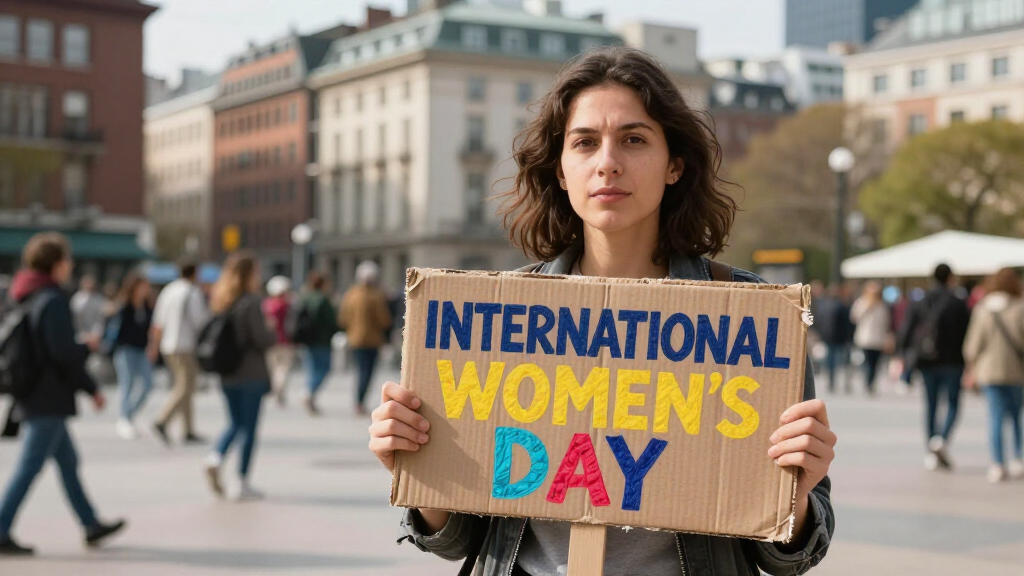
Media coverage of International Women’s Day has surged worldwide, with 36 mentions in a recent monitoring window. This reflects increased global interest and recognition of women’s issues.
Global media outlets have increased their coverage of International Women’s Day, with 36 mentions recorded in a recent monitoring window, according to GDELT. This surge reflects heightened awareness and discussion around women’s rights and gender equality worldwide.

Get the little things that make your day delivered free with Prime
- Fast, free delivery on millions of items
- Prime Video, Amazon Music and more included
- Member-only deals all year
The marked increase in media attention to International Women’s Day signifies a rising global focus on gender equality and women’s rights. This surge can influence public opinion, motivate political action, and foster greater awareness of ongoing issues such as gender-based violence, pay gaps, and reproductive rights. For advocacy groups, the heightened visibility offers an opportunity to mobilize support and push for policy changes. For the general public, it underscores the importance of ongoing dialogue and action on gender equality issues. However, whether this surge translates into sustained action remains to be seen, making it a pivotal moment for social and political engagement.
Popular right now

KitchenAid 3-Piece Pasta Roller and Cutter Set for Stand Mixers

KitchenAid Artisan 5-Qt Tilt-Head Stand Mixer, KSM150PS, Almond Cream

Vitamix VX1 Professional-Grade Blender, 64 oz, Black
As an affiliate, we earn on qualifying purchases.
Historical Trends in International Women’s Day Media Coverage
International Women’s Day has historically garnered varying levels of media attention, often peaking around the date in March and then declining. In recent years, global movements such as #MeToo and campaigns for gender equality have increased media focus, especially on social media platforms. The current surge, with 36 mentions recorded in a recent window, appears to be one of the most significant in recent history, possibly driven by increased activism and political debates surrounding women’s rights. Prior to this, coverage was often concentrated in specific regions or issues, but the current trend indicates a broader, more inclusive global interest.
“The surge in media coverage around International Women’s Day signals a shift in societal priorities and a recognition of the importance of gender equality discussions.”
— Dr. Maria Lopez, Gender Studies Expert
Extent of Impact on Public Awareness and Policy
While media mentions have surged, it is still unclear how this increased coverage will affect public awareness long-term or lead to concrete policy changes. The actual influence of media attention on governmental or institutional action remains uncertain, and further analysis will be needed to gauge lasting impact.
Next Steps for Monitoring Media and Policy Responses
Researchers and advocacy groups will continue to track media coverage and social media activity related to International Women’s Day. Policymakers may respond to the increased visibility by launching initiatives or campaigns. Additionally, upcoming events and discussions around gender equality will likely be influenced by this heightened attention, with ongoing analysis expected over the coming weeks to assess the real-world impact of this coverage surge.
Key Questions
What caused the surge in media coverage of International Women’s Day?
The increase appears to be driven by broader social movements, political debates, and renewed activism surrounding women’s rights, amplified by social media and global campaigns.
Does increased media coverage lead to policy change?
While heightened coverage can raise awareness and influence public opinion, its direct impact on policy remains uncertain and requires further observation.
Which regions are contributing most to the coverage surge?
Data indicates that coverage is widespread, with notable mentions across North America, Europe, and parts of Asia, reflecting a truly global interest.
How is social media involved in this coverage increase?
Social media hashtags, campaigns, and virtual events have played a significant role in amplifying discussions and engaging wider audiences worldwide.
Will this surge continue beyond International Women’s Day?
It is uncertain; however, ongoing activism and political debates suggest that interest and coverage may sustain or even increase in the coming months.
Source: gdelt