

Being kind to yourself through self-compassion boosts your motivation by helping you bounce back from setbacks and view mistakes as opportunities to learn. When you accept imperfections without judgment, you weaken harsh self-criticism and build emotional resilience. This gentle approach encourages risk-taking and sustains your efforts during tough times. By fostering a healthier relationship with yourself, you’ll find it easier to stay motivated and grow. Keep exploring to discover how self-compassion can transform your mindset even further.
Key Takeaways
- Self-compassion softens harsh self-criticism, creating a supportive inner environment that fosters motivation.
- Being kind to yourself enhances emotional resilience, making it easier to recover from setbacks and stay motivated.
- Self-acceptance encourages risk-taking and learning from mistakes, fueling growth and sustained motivation.
- Compassionate self-view reinforces positive self-reinforcement, motivating continued effort without shame.
- Recognizing worth beyond perfection boosts confidence and motivation driven by kindness and understanding.

Have you ever been your own harshest critic? It’s easy to fall into the trap of criticizing yourself when things don’t go as planned or when you feel like you’re falling short. But what if instead of judging yourself harshly, you practiced mindful acceptance? When you approach your mistakes and shortcomings with mindfulness, you create a space where you acknowledge your feelings without judgment. This allows you to accept yourself as you are, imperfections and all, rather than fighting against them. Mindful acceptance isn’t about ignoring problems or pretending everything’s perfect; it’s about recognizing what you’re experiencing in the moment and treating yourself with kindness. This simple shift can dramatically improve your emotional resilience — the ability to bounce back from setbacks. When you’re resilient, setbacks don’t define you; instead, they become opportunities for growth.
Practicing mindful acceptance helps you develop a healthier relationship with failure and disappointment. Instead of spiraling into negative self-talk, you learn to observe your thoughts and feelings objectively. This awareness creates space for compassion to grow, which in turn fuels your motivation. When you’re kind to yourself, you’re more likely to stay committed to your goals because you’re not exhausting your emotional resources fighting against yourself. Instead, you’re nurturing your resilience, allowing you to pick yourself up more easily after setbacks. You realize that making mistakes is part of the journey, and you’re more willing to take risks because you trust your ability to handle whatever comes your way. Additionally, understanding the importance of contrast ratio can help you better appreciate the visual quality of your home cinema setup, just as a well-calibrated projector enhances your viewing experience.
Self-compassion becomes your greatest motivator when it’s rooted in this mindful acceptance. It helps you see setbacks as temporary and manageable rather than as personal failures. When you treat yourself with kindness, your inner critic softens, and positive reinforcement replaces harsh judgments. This creates a cycle where motivation is fueled by a sense of worth and understanding, not shame or fear. As your emotional resilience grows, you’re more capable of maintaining momentum even during tough times. You begin to understand that your worth isn’t dependent on perfection, but on your willingness to keep moving forward despite challenges. This perspective boosts your motivation naturally because it’s grounded in self-love and acceptance. Ultimately, being kind to yourself isn’t just a feel-good act; it’s a powerful strategy to foster resilience, sustain motivation, and build a healthier, more compassionate relationship with yourself.

The Self-Compassion Journal: Prompts and Practices to Inspire Kindness in Your Thoughts, Emotions, and Actions
As an affiliate, we earn on qualifying purchases.
As an affiliate, we earn on qualifying purchases.
Frequently Asked Questions
How Does Self-Compassion Differ From Self-Esteem?
Self-compassion differs from self-esteem because it focuses on treating yourself with kindness regardless of your achievements, while self-esteem often depends on comparison and feeling confident based on success. When you practice self-compassion, you build genuine self-worth that isn’t tied to external validation. This approach fosters confidence-building from within, helping you stay resilient during setbacks, rather than relying on external praise or constant comparison to others.
Can Self-Compassion Improve Performance in High-Stress Environments?
You might think self-compassion softens your edge, but it actually boosts performance in high-stress environments. Through mindfulness practices, you develop emotional resilience, allowing you to stay calm and focused under pressure. By being kind to yourself, you reduce anxiety and prevent burnout, enabling clearer decision-making. This mental resilience helps you perform better, even in tough situations, proving that self-compassion is a powerful tool for high-stakes success.
Is Self-Compassion Effective Across Different Age Groups?
Yes, self-compassion is effective across different age groups, but you should consider age-specific strategies to maximize its benefits. Younger individuals may benefit from playful, engaging approaches, while older adults might prefer reflective, empathetic practices. The developmental impacts of self-compassion evolve over time, helping you build resilience and motivation at any age. Tailoring your approach guarantees you nurture kindness to yourself effectively, no matter your stage of life.
What Are Common Barriers to Practicing Self-Compassion?
Ever wonder why practicing self-compassion feels so challenging? You might struggle with your internal critic, which constantly judges and criticizes you, or face emotional barriers like fear of vulnerability. These obstacles make it hard to be kind to yourself. You often expect perfection or believe self-compassion is selfish, but recognizing these barriers is the first step. Confronting your internal critic and embracing imperfection helps you foster genuine self-kindness.
How Can I Develop Self-Compassion if I’M Naturally Self-Critical?
To develop self-compassion if you’re naturally self-critical, start practicing mindfulness exercises to observe your thoughts without judgment. Use journaling techniques to reflect on your feelings and challenge harsh self-criticism. Celebrate small wins and speak to yourself with kindness, as you would a friend. Over time, these practices help shift your mindset, fostering greater self-acceptance and motivation, even when you’re prone to self-criticism.

YeeBeny Breathing lamp Guided 3 Color 478s Meditation for Stress Relief
- Breathing Lamp Function: Reduces stress and promotes relaxation
- High-Quality Silicone Material: Soft surface with elegant white design
- Ideal Gift Choice: Perfect for family and friends
As an affiliate, we earn on qualifying purchases.
As an affiliate, we earn on qualifying purchases.
Conclusion
By embracing self-compassion, you create a caring climate that cultivates confidence and courage. When you’re kind to yourself, you build a better belief in your abilities, boosting your motivation to move forward. Remember, progress is possible when patience and persistence pair with kindness. So, choose compassion over criticism, and watch your willpower grow. Your journey to joy and achievement begins with gentle self-giving—because a compassionate core kindles continual courage and confidence.

Emotional Resilience: Simple Truths for Dealing with the Unfinished Business of Your Past
As an affiliate, we earn on qualifying purchases.
As an affiliate, we earn on qualifying purchases.
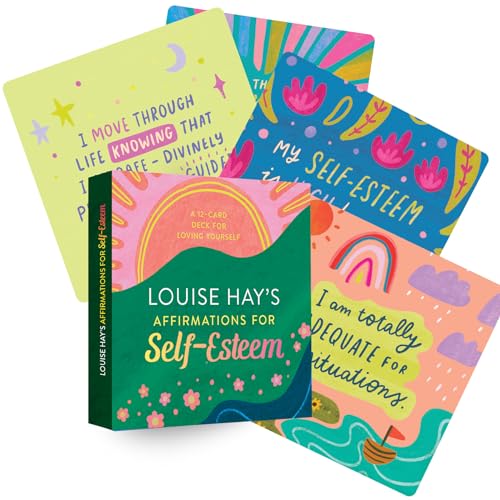
Louise Hay's Affirmations for Self-Esteem: A 12-Card Deck for Loving Yourself
As an affiliate, we earn on qualifying purchases.
As an affiliate, we earn on qualifying purchases.