

Small AI check-ins can substantially influence your habits by providing personalized, timely prompts that subtly guide your behaviors over time. These gentle nudges reinforce positive routines without overwhelming you, and their adaptive nature means they stay relevant to your specific needs. With consistent, responsible use, they become powerful tools for long-term change. If you want to discover how these small interactions can create big results, keep exploring.
Key Takeaways
- Small, consistent AI check-ins subtly reinforce positive habits over time, driving significant behavior change.
- Personalized prompts adapt through machine learning, ensuring relevance and effectiveness in supporting goals.
- Ethical AI design builds trust, protecting user privacy while promoting responsible influence and well-being.
- Regular, minimally invasive interactions act as powerful catalysts for long-term behavioral transformation.
- Responsible AI use ensures behavior change efforts are fair, unbiased, and aligned with user autonomy.

Small AI check-ins might seem insignificant, but they can drive profound behavior change over time. When you engage with AI-driven prompts or reminders regularly, you’re harnessing the power of machine learning to subtly influence your habits and decisions. These tiny nudges, delivered consistently, can reshape behaviors, reinforce positive routines, and help you achieve your goals. The beauty of these small interventions is that they’re often personalized, adapting to your unique patterns through machine learning algorithms. Over days and weeks, this tailored feedback compounds, leading to meaningful transformation without feeling overwhelming or intrusive. The use of personalized feedback enhances the effectiveness of these check-ins by aligning them closely with your specific needs. Responsible AI use also requires transparency about data, ensuring that users understand what information is collected and how it is utilized. As you rely on these check-ins, it’s crucial to contemplate the ethical considerations involved. Responsible AI use demands transparency about how data is collected and used. You should know what information is being gathered, how it’s stored, and who has access to it. Respect for your privacy is paramount, especially when these systems learn from your behaviors to offer targeted suggestions. Ethical considerations also extend to avoiding manipulation or overreach—AI should support your well-being without exploiting vulnerabilities or fostering dependency. When designed thoughtfully, these systems empower you to make better choices while respecting your autonomy. Additionally, machine learning ensures that the system adapts effectively to your evolving habits and circumstances. Machine learning plays a pivotal role in ensuring that these check-ins are effective and relevant. As you continue to interact with the system, it learns from your responses, preferences, and patterns. This continuous learning allows the AI to refine its prompts, making them more aligned with your goals and circumstances. Over time, the AI can identify subtle shifts in your behavior and adjust its approach, ensuring that each check-in feels timely and impactful. The result is a dynamic, personalized experience that encourages sustained behavior change without becoming monotonous or intrusive.
Furthermore, ethical AI design is essential to maintain trust and ensure that these systems promote positive outcomes without unintended consequences. However, it’s essential to stay aware of the ethical boundaries that govern AI development. Developers must prioritize fairness, avoid biases in machine learning models, and ensure that the system’s influence remains positive. As a user, you should feel confident that your data is protected and that the AI’s intentions are aligned with your best interests. When these ethical principles are upheld, small AI check-ins become a trustworthy tool that supports your growth. They turn minor, consistent interactions into a powerful catalyst for long-term change, proving that even tiny nudges—when combined with responsible design—can lead to remarkable transformations.
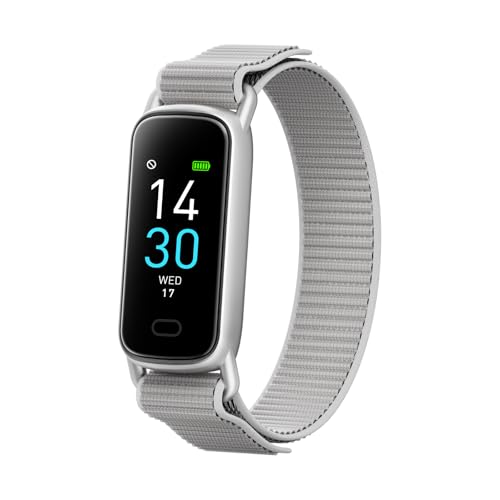
Lightweight Activity & Fitness Tracker with Subscription-Free App Control, AI Sleep Insights, 24/7 Heart Rate & Blood Oxygen Tracking, 16 Sport Modes, Waterproof Smart Watch for Men & Women (Silver)
- Real-Time Activity Monitoring: Displays heart rate, SpO₂, steps, and more
- AI Sleep Insights: Provides sleep stages, score, and wellness reports
- Free App with No Subscription: Access detailed insights and trends without fees
As an affiliate, we earn on qualifying purchases.
As an affiliate, we earn on qualifying purchases.
Frequently Asked Questions
How Do Small AI Check-Ins Differ From Traditional Coaching Methods?
Small AI check-ins differ from traditional coaching by offering continuous, personalized support through automation, making it easier to adapt to your unique needs. Unlike traditional methods, they address scalability challenges by providing frequent, bite-sized insights without overwhelming your schedule. This approach fosters consistent progress, enabling you to stay motivated and accountable, while leveraging personalization strategies that keep the experience relevant and engaging.
What Types of Behaviors Are Most Effectively Influenced by AI Check-Ins?
You’ll find that AI check-ins are especially effective for subtly guiding motivation enhancement and habit formation. These small, consistent prompts help you stay focused, reinforce positive behaviors, and gently nudge you toward your goals. By providing personalized feedback and encouragement, AI check-ins make it easier to develop new routines and stay motivated over time, ultimately fostering lasting behavior change without feeling overwhelming or intrusive.
Can Small AI Check-Ins Replace Human Support Entirely?
Small AI check-ins can’t replace human support entirely because they often lack emotional connection and cultural sensitivity. While AI can effectively prompt behavior change, it doesn’t always understand nuanced feelings or cultural contexts that humans grasp. You benefit most when AI supports human interactions, enhancing empathy and understanding. So, AI acts as a helpful tool, but genuine emotional connection from humans remains essential for deep, meaningful support.
How Is User Privacy Maintained During AI Check-Ins?
Think of your privacy as a treasure chest; your data encryption acts as a sturdy lock, safeguarding your secrets during AI check-ins. You maintain control through user consent, deciding what information to share. The AI only accesses data you’re comfortable with, ensuring your privacy stays intact. This way, your personal information remains protected, allowing you to benefit from helpful check-ins without compromising your trust or security.
What Are the Limitations of Relying on AI for Behavior Change?
Relying on AI for behavior change has limitations, especially around ethical considerations and technological constraints. You might find that AI can’t fully understand your personal context or emotional nuances, leading to less effective support. Additionally, technological limitations like data accuracy and algorithm bias can affect outcomes. So, while AI can aid your progress, it shouldn’t replace human insight or personalized approaches, as ethical issues and tech gaps still exist.
As an affiliate, we earn on qualifying purchases.
Conclusion
By embracing small AI check-ins, you harness a quiet yet powerful force that can transform your habits over time. Think of these check-ins as gentle nudges—like whispers guiding you toward your best self. Don’t underestimate the ripple effect of tiny steps; they build momentum and ignite lasting change. Remember, even the tallest oak starts as a small seed. With consistent AI prompts, you’re planting the future of your best self—one check-in at a time.
As an affiliate, we earn on qualifying purchases.
As an affiliate, we earn on qualifying purchases.