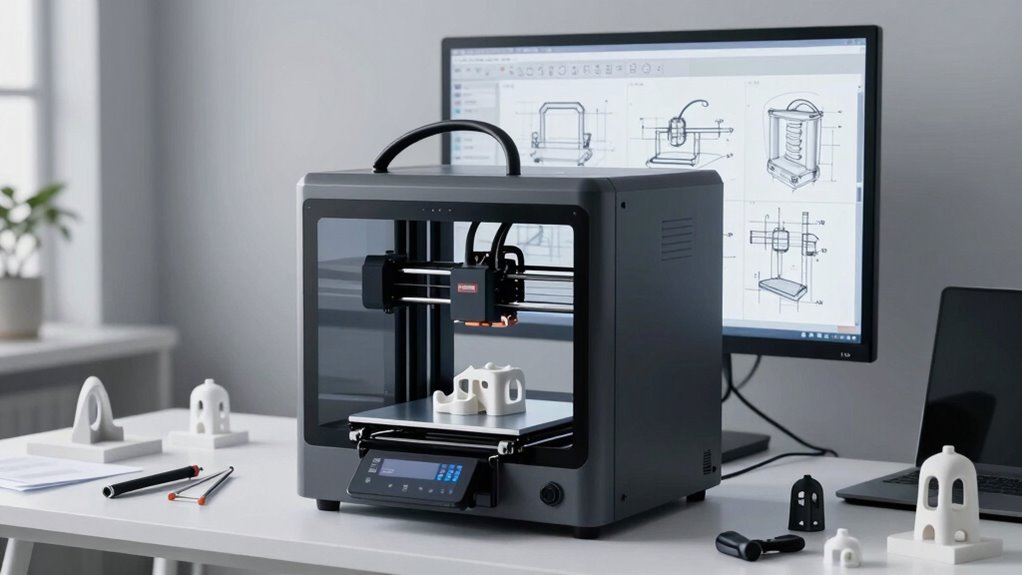

To save time before manufacturing, focus on smart material selection and conducting thorough cost analysis early. Choose materials compatible with your manufacturing methods and supply chain to prevent delays. Use rapid prototyping techniques like 3D printing or CNC to refine your design quickly, minimizing costly iterations. Document all decisions for clear communication and future reference. Taking these steps streamlines your process, reduces surprises, and keeps your project on track—learn more to optimize your workflow even further.

Get the little things that make your day delivered free — and shop member deals
- Fast, free delivery on millions of items
- Access to Prime Big Deal Days deals on October 6–7
- Prime Video, Amazon Music and more included
Key Takeaways
- Conduct thorough material selection early to ensure compatibility and prevent delays in manufacturing.
- Perform detailed cost analysis to prioritize features and avoid budget overruns that cause project setbacks.
- Choose appropriate rapid prototyping methods based on data-driven insights to reduce iterations and development time.
- Plan supply chain logistics in advance to secure reliable material sources and prevent sourcing delays.
- Document decisions and communicate clearly with team and suppliers to streamline processes and identify potential bottlenecks.
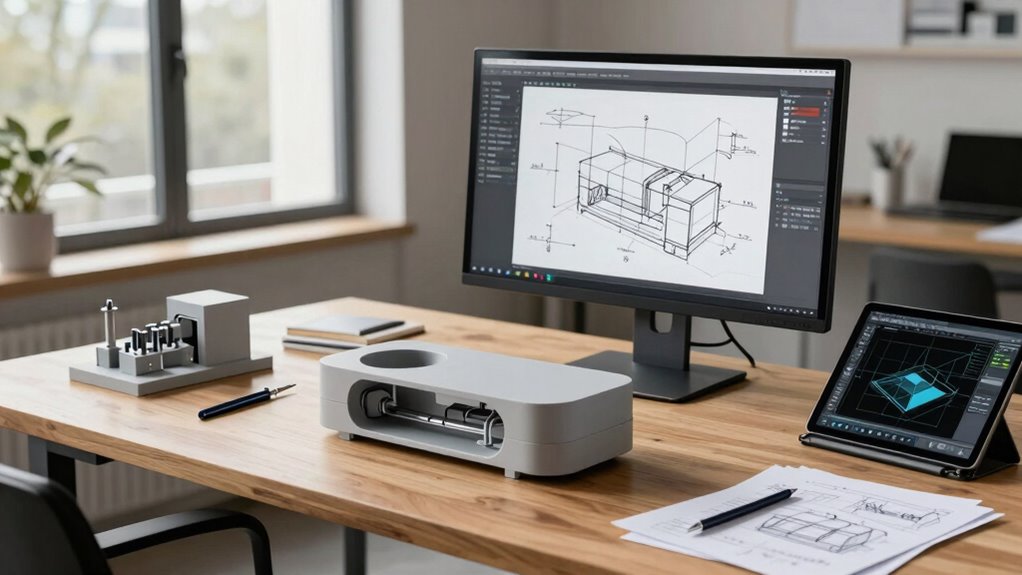
Creating an efficient prototype workflow can substantially cut down development time and boost your team’s productivity. When you’re working on a new design, every step counts, especially during the prototyping phase. One of the most critical aspects is material selection, which influences not only the quality of your prototype but also how quickly and cost-effectively you can produce it. Choosing the right materials from the start helps you avoid costly revisions later on. You want materials that are available, suitable for your design needs, and compatible with your manufacturing methods. By carefully evaluating options early, you eliminate delays caused by sourcing issues or incompatible parts, keeping your project on schedule.
Choosing the right materials early prevents delays and costly revisions in your prototype development.
Alongside material selection, conducting a thorough cost analysis is essential. Before you commit to any materials or manufacturing processes, you need to understand how each choice impacts your budget. Cost analysis isn’t just about comparing prices; it involves *appraising* the total expenses involved, including raw materials, manufacturing time, labor, and potential rework. When you integrate this step into your workflow, you gain clarity on what’s feasible within your project’s financial constraints. This foresight allows you to prioritize features and refine your prototype without overspending. It also helps you identify cost-effective alternatives early, preventing surprises that could derail your timeline.
Once you’ve nailed down your material choices and performed a *broad* cost analysis, you can streamline the prototyping process further. Rapid prototyping techniques, such as 3D printing or CNC machining, become more efficient when based on data-driven decisions about materials and costs. You’ll find it easier to select the most appropriate methods that align with your project’s scope and budget, reducing iterations and speeding up development. This approach minimizes trial and error, so you spend less time fixing issues and more time refining your design. Additionally, understanding the importance of material availability can help you plan your timeline more accurately. Incorporating supply chain considerations into your planning ensures you won’t face unexpected delays due to unavailable or hard-to-source materials. Recognizing the influence of material selection on your project’s success reinforces the need for early planning and thorough research. Establishing reliable sources for your materials early on can also mitigate risks associated with delays or shortages. Furthermore, considering manufacturing compatibility early on can prevent costly adjustments during later stages.
Moreover, documenting your material selection and cost analysis results ensures your team stays aligned and informed throughout the project. Clear documentation provides a reference point for future decisions and helps communicate your priorities to suppliers and manufacturers. As a result, your workflow becomes more predictable, and you can anticipate potential bottlenecks before they happen.
In short, focusing on material selection and cost analysis early in your prototype workflow sets a solid foundation for efficient development. It enables you to make smarter decisions, avoid unnecessary delays, and ultimately bring your product to market faster. When you approach prototyping with this level of planning, you’re not just saving time—you’re creating a smoother, more cost-effective path from concept to production.
As an affiliate, we earn on qualifying purchases.
Frequently Asked Questions
What Are the Key Tools Needed for Effective Prototyping?
You need key tools like CAD software to facilitate design iteration, allowing you to quickly modify your prototypes. Material selection tools, such as 3D printers or prototyping kits, help you experiment with different materials to find the best fit. Additionally, measurement tools guarantee precision, and testing equipment verifies functionality. These tools streamline the process, helping you refine your design efficiently before moving to manufacturing.
How Do I Choose the Right Prototype Material?
You choose the right prototype material by considering your project’s material selection criteria and desired prototyping accuracy. Think about factors like durability, flexibility, cost, and how closely the material mimics the final product. Research options such as plastics, resins, or metals, and weigh their benefits against your prototype’s specific needs. This guarantees your prototype accurately reflects the final product, helping you identify potential issues early and refine your design effectively.
What Are Common Mistakes to Avoid During Prototyping?
Did you know that 70% of prototypes fail due to overlooked design iteration issues? To avoid this, don’t rush through your prototyping process. Focus on thorough design iteration and accurate cost estimation. Avoid skipping testing phases, as it can lead to costly mistakes later. Keep feedback loops short, and always validate assumptions before moving forward. This approach helps catch errors early, saving both time and money in your manufacturing journey.
How Can I Test Prototypes Efficiently?
To test prototypes efficiently, focus on real user experience by gathering feedback early and often. Observe how users interact with your design and note pain points or confusion. Use this data to inform quick design iterations, refining your prototype with each cycle. Keep testing with diverse users to uncover different perspectives, ensuring your final product truly meets user needs and reduces costly revisions later in development.
When Should I Move From Prototype to Production?
You should move from prototype to production once you gather sufficient market feedback and complete a thorough cost analysis. If user testing confirms your design meets needs and preferences, and production costs are sustainable, then it’s time to scale up. Don’t rush—make certain your prototype’s performance aligns with market demands and profit margins. This careful assessment helps you avoid costly mistakes and guarantees a smoother shift to manufacturing.
As an affiliate, we earn on qualifying purchases.
Conclusion
By following this streamlined prototype workflow, you’ll save valuable time and avoid costly mistakes before manufacturing begins. Remember, “a stitch in time saves nine”—investing effort upfront pays off in the long run. Embrace these steps to refine your design early, ensuring a smoother production process and better results. Don’t rush; instead, work smarter, not harder. With this approach, you’ll turn your ideas into reality faster and more efficiently.
prototype material selection guide
As an affiliate, we earn on qualifying purchases.
As an affiliate, we earn on qualifying purchases.
As an affiliate, we earn on qualifying purchases.
Fall Picks
fall essentials
As an affiliate, we earn on qualifying purchases.