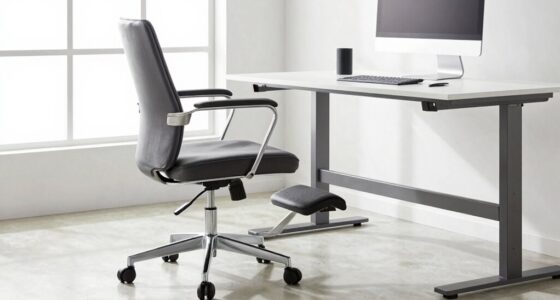
To clear mental clutter quickly, start with a simple mindfulness exercise by sitting comfortably, taking deep breaths, and focusing on your breath for five minutes. Then, disconnect from digital devices by turning off notifications or leaving social media behind, which helps reset your mind. Perform a quick stretch and deep breathing to release tension. Incorporate these short practices regularly, and you’ll find it easier to stay focused and calm—there’s more to learn if you keep exploring these techniques.
Key Takeaways
- Practice a 5-minute mindfulness exercise to calm the mind and improve mental clarity.
- Take a quick digital detox by turning off notifications and writing down worries or tasks.
- Identify and prioritize pressing concerns, setting aside non-essential thoughts for later.
- Perform physical stretches and deep breathing to release tension and re-center focus.
- Incorporate regular mental decluttering routines to maintain ongoing mental clarity.

Mental clutter can overwhelm your mind, making it difficult to focus, make decisions, or feel truly present. When your thoughts race and your attention is pulled in multiple directions, it’s easy to feel drained or anxious. Fortunately, reducing mental clutter doesn’t have to take hours. In just under 15 minutes, you can implement simple strategies to clear your mind and regain clarity.
Start by grounding yourself with a quick mindfulness exercise. Find a comfortable seat, close your eyes if you’re comfortable doing so, and take a few deep breaths. Focus solely on your breath—notice the sensation of air entering and leaving your body. When your mind wanders, gently bring it back to your breath. This practice calms your nervous system, reduces scattered thoughts, and creates a moment of mental clarity. Even just five minutes of mindfulness can significantly decrease mental noise.
Take five minutes to focus on your breath, calming your mind and gaining clarity through simple mindfulness.
Next, consider a digital detox. Take a break from your phone, social media, emails, and notifications. Digital clutter often contributes to mental clutter because constant alerts and information overload keep your brain in a persistent state of distraction. Turn off notifications or put your device in airplane mode for a few minutes. Use this time to do a quick mental declutter: jot down your current thoughts, tasks, or worries on paper. Seeing your thoughts on paper helps you detach from them temporarily, preventing them from swirling endlessly in your mind. This small act can create a sense of control and mental space. Engaging in deliberate digital detox practices can help reset your mental state more effectively. Incorporating mindfulness exercises into your day can also strengthen your ability to manage mental clutter over time, especially if you practice them regularly. Building awareness of mental clutter allows you to better recognize when it’s affecting your focus and take proactive steps.
Another effective technique is to perform a rapid mental inventory. Ask yourself what’s on your mind right now. Identify the most pressing concern or task. Then, mentally set aside anything non-essential for now; remind yourself you’ll revisit it later. This prioritization clears mental bandwidth and prevents overwhelm. Follow this by a brief physical stretch or deep breathing exercise to further release tension and reset your focus. Regularly practicing mental organization can enhance your ability to manage mental clutter more efficiently and sustain mental clarity. Recognizing the importance of mental clarity helps you develop better habits for maintaining focus in your busy life.
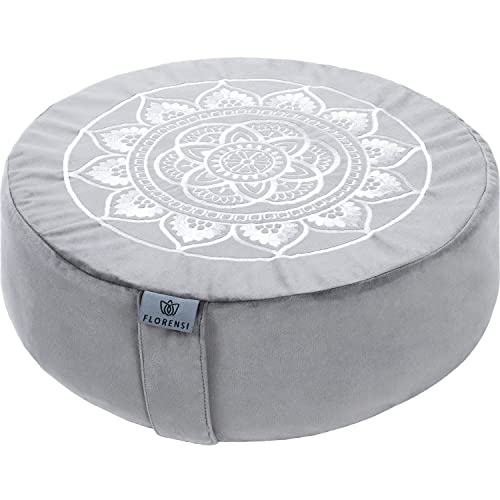
Florensi Meditation Cushion Grey Velvet Buckwheat Round Yoga Floor Seat
- Comfortable Meditation Seating: Stable and supportive for meditation and yoga
- Buckwheat Filled Cushion: Conforms to your seating for support
- Soft Velvet Cover: Stylish and comfortable surface for daily use
As an affiliate, we earn on qualifying purchases.
As an affiliate, we earn on qualifying purchases.
Frequently Asked Questions
Can Mental Clutter Affect Physical Health?
Mental clutter can definitely impact your physical health. When your mind is overwhelmed, it increases stress levels, which can lead to issues like headaches, fatigue, and weakened immunity. Practicing stress management techniques helps clear mental clutter and boosts emotional resilience, making it easier to handle daily challenges. By reducing mental clutter quickly, you support both your mental clarity and physical well-being, leading to a healthier, more balanced life.
Is Meditation Necessary to Clear Mental Clutter?
No, meditation isn’t strictly necessary to clear mental clutter, but it can be highly effective. You can use mindfulness techniques and breathing exercises to achieve similar results quickly. As you focus on your breath or observe your thoughts non-judgmentally, you’ll notice mental fog lifting. These simple practices engage your mind, helping you regain clarity and calmness in just minutes—no need for formal meditation sessions.
How Often Should I Practice Mental Decluttering?
You should practice mental decluttering daily or at least a few times a week. Incorporate mindfulness exercises to stay present and aware, which help prevent mental clutter from piling up. Additionally, establish journaling routines to process your thoughts and clear your mind. Regular practice makes it easier to maintain mental clarity, reduce stress, and stay focused, ensuring your mind stays organized and calm amidst daily chaos.
Can Reducing Digital Notifications Help Mental Clarity?
You might think endless notifications keep you updated, but they actually clutter your mind. Reducing digital notifications through a quick digital detox and effective notification management clears mental space and boosts clarity. Ironically, turning off alerts saves you time and mental energy, making it easier to focus. So, yes, cutting down on notifications helps your mental clarity by minimizing unnecessary distractions and allowing your mind to breathe.
What Are Quick Mental Clutter Clearing Tools?
You can quickly clear mental clutter by practicing mindfulness exercises like focused breathing or a brief body scan, which help center your thoughts. Journaling techniques, such as jotting down your worries or priorities, also clear your mind and provide clarity. These tools are fast, effective, and easy to incorporate into your routine, allowing you to regain mental clarity in just a few minutes.

Phone in Airplane Mode, Life in Happy Mode
As an affiliate, we earn on qualifying purchases.
As an affiliate, we earn on qualifying purchases.
Conclusion
By taking just 15 minutes to clear your mind, you’ll find your mental space becomes a revitalizing gust of fresh air. Think of it as sweeping away dust bunnies that hide your clarity and peace. With these simple steps, you can declutter your thoughts and create room for what truly matters. Remember, your mind is like a garden—tend to it regularly, and it’ll bloom with calm and focus.

Stretching Strap with Loops, Non Elastic Stretch Band for Physical Therapy
- Enhances Flexibility and Safety: Comfortable neoprene handles for safe stretching
- Versatile for Multiple Sports: Suitable for yoga, Pilates, therapy, and dance
- Self-Monitoring with Loops: Numbered loops for precise exercise control
As an affiliate, we earn on qualifying purchases.
As an affiliate, we earn on qualifying purchases.

PAPERAGE Lined Spiral Journal Notebook, (Cherry Blossom/Fruit), 160 Pages, Hardcover Journal for Women & Men, Medium 5.5 in x 8 in – 100 GSM, Thick Paper, Spiral Notebook for Work, School & Journaling
- Durable Hardcover Cover: Vegan leather with water resistance
- Ample Writing Space: 160 pages with thick 100 GSM paper
- Premium Quality Paper: Light ivory, acid-free, bleed-proof
As an affiliate, we earn on qualifying purchases.
As an affiliate, we earn on qualifying purchases.