
TL;DR

Get the little things that make your day delivered free with Prime
- Fast, free delivery on millions of items
- Prime Video, Amazon Music and more included
- Member-only deals all year
Looksmaxxing, a movement centered on extreme physical self-improvement, is gaining significant traction on social media platforms. Experts highlight its psychological and social implications, raising questions about mental health and societal standards.
Looksmaxxing — a term describing the pursuit of maximizing one’s physical appearance through extreme self-improvement techniques — has surged in popularity across social media platforms, particularly among young men. This trend, driven by online communities and influencers, now influences how many individuals approach self-care and body image, raising questions about its psychological effects and societal implications.
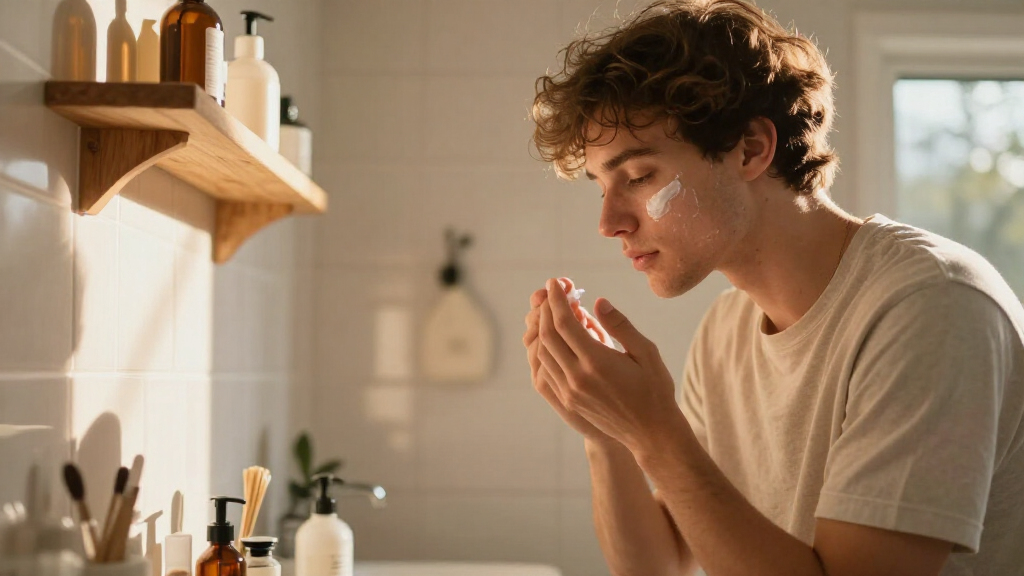
According to social media analyses, the looksmaxxing movement has grown rapidly over the past two years, with hashtags like #looksmax and #selfimprovement trending on platforms such as TikTok, Reddit, and Instagram. Participants often share detailed routines involving skincare, fitness, cosmetic procedures, and even surgical interventions, aiming to significantly alter their appearance.
Experts note that the movement is rooted in a desire for increased confidence and social acceptance, yet some individuals pursue extreme methods that can lead to physical health risks or psychological distress. Despite this, many see looksmaxxing as a form of empowerment, particularly in online communities where appearance is heavily valued.
Research from social psychologists indicates that the obsession with physical perfection can contribute to body dysmorphia and low self-esteem, especially among impressionable youth. However, proponents argue that the movement promotes self-care and personal agency in shaping one’s image.
Impacts of Looksmaxxing on Mental Health and Society
The rise of looksmaxxing reflects broader societal trends emphasizing appearance as a key to success and social validation. While some see it as a positive form of self-expression, mental health professionals warn that the obsession with extreme self-improvement can exacerbate issues like body dysmorphia, anxiety, and depression. The movement’s popularity also raises concerns about unrealistic beauty standards perpetuated on social media, influencing young people’s self-perception and expectations.
As an affiliate, we earn on qualifying purchases.
Evolution of Self-Improvement Culture Online
The concept of self-improvement has long been embedded in social media culture, but the specific focus on physical enhancement — or looksmaxxing — has gained prominence recently. Online forums and communities dedicated to physique optimization have evolved from general fitness groups to highly specialized spaces where members exchange tips on cosmetic procedures, diet, and exercise routines aimed at achieving an idealized look.
This trend coincides with the rise of influencer culture that often showcases highly curated images of physical perfection, further fueling the desire for radical self-enhancement. Historically, societal standards of beauty have shifted over decades, but the current digital age accelerates and amplifies these ideals, making extreme measures more accessible and normalized.
While some see this as an extension of personal choice, critics argue it fosters unhealthy comparisons and unrealistic expectations, especially among vulnerable groups.
“The obsession with extreme physical perfection can lead to serious mental health issues, including body dysmorphia and anxiety.”
— an anonymous social psychologist
home workout equipment for muscle gain
As an affiliate, we earn on qualifying purchases.
As an affiliate, we earn on qualifying purchases.
Unclear Long-Term Psychological and Societal Effects
It is still unclear how sustained engagement with looksmaxxing affects long-term mental health and societal norms. Experts warn of potential negative outcomes, but comprehensive longitudinal studies are lacking. The movement’s future trajectory and its influence on broader cultural standards remain subjects of ongoing research and debate.
As an affiliate, we earn on qualifying purchases.
Monitoring Trends and Addressing Mental Health Risks
Researchers and mental health professionals are expected to continue studying the impact of looksmaxxing, especially among youth populations. Social media platforms may implement policies to curb harmful content, while awareness campaigns could promote healthier self-image standards. The movement’s evolution will likely depend on societal responses and regulatory measures.
As an affiliate, we earn on qualifying purchases.
Key Questions
What exactly is looksmaxxing?
Looksmaxxing is a movement focused on maximizing physical appearance through methods such as skincare, fitness, cosmetic procedures, and sometimes surgery, aiming to achieve an idealized look.
Why has looksmaxxing become so popular now?
The rise correlates with increased social media influence, where curated images of perfection and online communities encourage extreme self-improvement efforts among young men and women.
Are there health risks associated with looksmaxxing?
Yes, some participants pursue invasive procedures or extreme routines that can pose physical health risks or contribute to psychological issues like body dysmorphia.
Is looksmaxxing only about vanity?
While some see it as superficial, many participants view it as a way to boost confidence and social acceptance, especially in environments that heavily value appearance.
What can be done to address potential harms of looksmaxxing?
Increased awareness, mental health support, and responsible social media policies can help mitigate risks associated with extreme self-improvement pursuits.
Source: rss
NFL season / tailgating Picks
team gear
As an affiliate, we earn on qualifying purchases.