
Synchronicity often feels like the universe is sending you meaningful signs, but your mind’s psychological biases, like pattern recognition and confirmation bias, heavily influence how you interpret these coincidences. While some see these moments as messages from the universe, science suggests they are more about your perception and cognitive tendencies. Understanding how your brain seeks connections can help you distinguish genuine signals from illusions—if you’re curious, there’s more to explore.
Key Takeaways
- Synchronicity involves meaningful connections perceived in events, but these may stem from psychological biases rather than actual universe signals.
- Quantum entanglement suggests interconnectedness at a microscopic level, but applying this to personal signs is speculative and not scientifically proven.
- Our brains tend to find patterns and assign meaning, which can create illusions of signs beyond chance or coincidence.
- Scientific understanding emphasizes that quantum mechanics describes particles, not human experiences, cautioning against overinterpreting coincidences.
- Recognizing cognitive biases helps differentiate genuine signs from psychological illusions, fostering a balanced view of synchronicity.

Have you ever experienced a moment where a sudden coincidence seemed to carry a deeper meaning, making you wonder if the universe was trying to send you a message? This feeling taps into the concept of synchronicity, where events seem connected in a meaningful way beyond mere chance. While some see these moments as signs from the universe, others believe they’re products of our minds interpreting randomness through certain lenses. To understand this better, you need to explore both the scientific and psychological perspectives.
Quantum mechanics, the branch of physics that deals with the behavior of particles at tiny scales, offers some intriguing insights. It suggests that the universe isn’t entirely deterministic, and particles can be entangled across vast distances, instantaneously influencing each other. Some interpret this as evidence that the universe might be interconnected in mysterious ways, possibly giving rise to perceived meaningful coincidences. However, applying quantum ideas to everyday life remains controversial and often speculative. It’s more accurate to see quantum mechanics as describing phenomena at microscopic levels, not as a blueprint for understanding human experiences or the significance of coincidences.
On the psychological side, cognitive biases play a major role in how you interpret coincidences. Your brain naturally seeks patterns and meaning, especially in uncertain situations. Confirmation bias, for example, leads you to notice and remember events that support your beliefs while ignoring those that don’t. When you experience a coincidence, your mind might latch onto it as a meaningful sign because it fits your current concerns or desires. This tendency can make random events seem purposeful, fueling the illusion of synchronicity. Additionally, the human tendency toward pattern recognition can cause you to see connections where none exist, reinforcing the perception that the universe is sending you messages. Recognizing this cognitive wiring helps you see that what feels like a significant sign could simply be your mind’s way of making sense of chaos. Your cognitive processes, such as pattern recognition, are designed to find meaning, which can sometimes lead you astray. While it’s tempting to interpret meaningful coincidences as messages from the universe, it’s more likely that your brain is doing what it’s wired to do—search for patterns and assign significance, even in random data. Understanding these psychological biases helps you approach such moments with a healthier skepticism, appreciating their emotional impact without overly attributing them to cosmic forces. Ultimately, whether you see synchronicities as cosmic messages or psychological illusions depends on your perspective, but understanding the science behind both can help you navigate these experiences more clearly.

Msvenors Framed These Are The Good Old Days Wall Art, Vintage Cottagecore Gingham Canvas Wall Decor, Inspirational Quote Pictures, Rustic Home Decor for Dining Room Kitchen Living Room Bedroom 8x10in
【Family Inspirational Quote Wall Art】These are the good old days wall art features a warm and nostalgic family...
As an affiliate, we earn on qualifying purchases.
Frequently Asked Questions
Can Synchronicities Predict Future Events Reliably?
Synchronicities can’t reliably predict future events because they are often just meaningful patterns your subconscious cues you to notice. While they may feel significant, they usually reflect your internal thoughts or feelings rather than actual future outcomes. Trusting these signs as precise predictions can mislead you, so it’s better to view them as reflections of your mind’s connections rather than concrete forecasts of what’s to come.
How Can I Differentiate Between Coincidence and Meaningful Signs?
You can tell the difference between coincidence and meaningful signs by watching for confirmation bias and pattern recognition. If a sign feels overly coincidental and repeatedly appears, it might hold deeper meaning. Trust your intuition but stay cautious—your mind tends to find patterns even where none exist. Reflect on whether the sign genuinely resonates with your situation or if you’re just seeing what you want to see.
Does Belief in Synchronicity Influence Its Occurrence?
Believing in synchronicity can influence its occurrence through confirmation bias and pattern recognition. When you expect signs, you’re more likely to notice and interpret coincidences as meaningful, reinforcing your belief. This mental filtering makes you see patterns where none exist, increasing the perception that the universe is sending signs. Your mindset shapes what you notice, creating a feedback loop that fuels your experience of meaningful coincidences.
Are Certain Personalities More Prone to Experiencing Synchronicities?
Like Alice falling down the rabbit hole, you might find certain personality traits, such as openness and intuition, make you more prone to experiencing synchronicities. These individuals tend to notice patterns more easily, often influenced by cognitive biases like confirmation bias. Your tendency to interpret coincidences as meaningful signs could be heightened if you’re naturally curious or reflective, shaping how you perceive the universe’s mysterious messages.
What Scientific Evidence Supports the Existence of Synchronicity?
Scientific evidence for synchronicity is limited, but some researchers suggest quantum entanglement might play a role in connecting events across space and time. You might also notice how cognitive biases, like confirmation bias, influence your perception, making meaningful coincidences seem more significant. While no definitive proof exists, these concepts hint at possible mechanisms behind synchronicities, encouraging you to explore both scientific and psychological explanations.
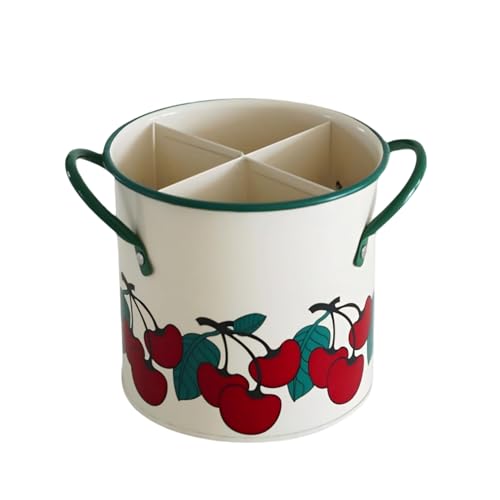
CJFNDFA Vintage Utensil Crock - vintage red Kitchen Decor Iron Organizer with Detachable Divider, 4-Compartment Drain Hole Utensil Holder for Vintage Kitchen Utensils & Accessories
Stylish Centralized Storage Store all your daily kitchen utensils and gadgets in one fixed spot. This vintage organizer...
As an affiliate, we earn on qualifying purchases.
Conclusion
Think of life as a vast forest where every unusual sight might be a hidden sign or just your mind playing tricks. Whether these moments are messages from the universe or reflections of your psyche, they guide you through the maze. Trust your intuition like a lantern in the dark. Sometimes, the forest reveals its secrets softly, and other times, it’s up to you to decide if those signs lead to discovery or illusion.

ALREAR Kitchen Conversion Chart Signs for Vintage Kitchen Wall Decor Baking Supplies Accessories for Bakers Cooking Lovers Guide Bakery Decoration Metal signs 12x8 Inches
Decorative & Functional: Kitchen Conversion Chart will be a rustic and charming addition to any kitchen wall, blending...
As an affiliate, we earn on qualifying purchases.

ETMI Vintage Bread Box for Kitchen Countertop - Retro Brown Bread Storage Box Breadbox
✔️Vintage bread box is made of bamboo, with 5 holes on the back to promote air circulation, adjusting...
As an affiliate, we earn on qualifying purchases.