The IKEA effect shows how putting effort into assembling or creating something makes you value it more and feel more emotionally connected. When you build or create yourself, you gain a sense of ownership and pride, which boosts motivation and helps you learn better. This effect can be used to enhance engagement in educational or DIY projects. Keep exploring to discover how leveraging this self-made value can deepen your understanding and make learning more rewarding.

Get the little things that make your day delivered free — and shop member deals
- Fast, free delivery on millions of items
- Access to Prime Big Deal Days deals on October 6–7
- Prime Video, Amazon Music and more included
Key Takeaways
- Engaging learners in hands-on activities fosters a sense of ownership, boosting motivation and retention.
- Self-assembly tasks enhance emotional connection and perceived value of the learning material.
- Incorporating active creation leverages the ownership bias to deepen understanding and commitment.
- Using interactive tools like DIY kits increases effort and personal investment, improving learning outcomes.
- Recognizing the IKEA effect can inform educational strategies that promote deeper engagement and meaningful experiences.
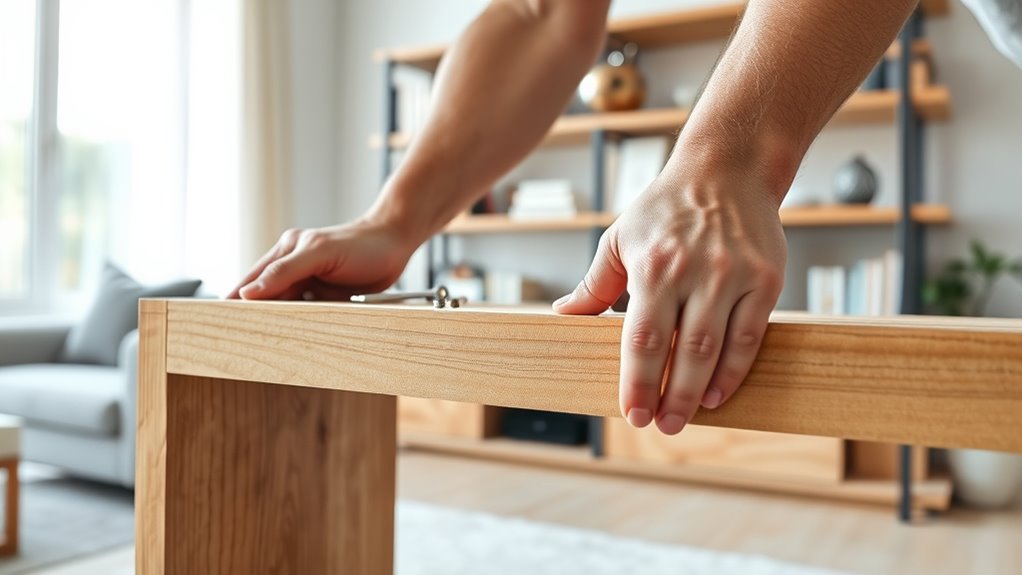
Have you ever felt more attached to furniture you assembled yourself? That sense of pride and accomplishment is a key part of what’s known as the IKEA effect. When you take the time to build something with your own hands, you experience a deep sense of assembly satisfaction. It’s not just about the finished product; it’s about the effort you put in and the personal connection you develop along the way. This feeling makes the item feel more valuable and meaningful than if you’d simply bought it pre-assembled. The IKEA effect highlights how our involvement during the creation process can influence our perceptions of value, leading us to favor the items we’ve built ourselves.
This attachment isn’t just emotional; it’s rooted in a psychological bias called ownership bias. When you invest effort into a task or a project, your brain begins to associate that effort with ownership. As a result, you start to see the product as more than just a commodity—you see it as an extension of yourself. This bias makes you more likely to appreciate, protect, and even defend the item. It’s why you might hesitate to part with a piece of furniture you assembled, even if it’s no longer practical or your taste has changed. The ownership bias reinforces your emotional connection, making the object feel uniquely yours, and it’s a powerful driver of how we value our own work.
Understanding the IKEA effect can be a game-changer in learning and motivation. When people actively participate in creating or solving problems, they often develop a stronger sense of ownership bias toward their work. This leads to deeper engagement and a greater willingness to invest effort. You’re more likely to learn thoroughly and retain information better when you’ve had a hand in the process. Whether it’s assembling furniture, completing a DIY project, or tackling a complex task at work, the act of building something yourself fosters a sense of accomplishment that fuels motivation and confidence. Additionally, integrating tools like electric bike conversion kits can enhance engagement by making the process more interactive and rewarding.
As an affiliate, we earn on qualifying purchases.
Frequently Asked Questions
How Can Educators Practically Apply the IKEA Effect in Classrooms?
You can boost student engagement and peer collaboration by encouraging students to take ownership of their projects. Let them assemble, customize, or create their own work, so they feel more invested. By involving students in hands-on activities where they build or modify, you tap into the IKEA Effect, making learning more meaningful. This approach fosters deeper understanding, promotes teamwork, and motivates students to take pride in their accomplishments.
Are There Psychological Risks Associated With Overvaluing Self-Made Products?
You might overvalue your self-made products due to self-esteem biases, which boost confidence in your work. However, this overconfidence can lead to pitfalls like ignoring flaws or refusing constructive criticism. Be aware that overestimating your creations might distort your perception of quality, making it harder to grow and improve. Stay objective, seek feedback, and balance pride with humility to avoid these psychological risks.
Does the IKEA Effect Work Equally Across Different Age Groups?
Research shows that the IKEA effect is less strong in children under 12, highlighting developmental differences. Your cognitive maturity influences how much you overvalue your creations; older adults tend to experience it more deeply due to increased self-awareness. So, it doesn’t work equally across age groups. As you grow, your ability to appreciate your effort and craftsmanship varies, shaping how you value self-made products across different life stages.
How Does Individual Motivation Influence the IKEA Effect’S Impact?
Your individual motivation greatly influences how the IKEA effect impacts you. When you have strong intrinsic motivation, you’re more personally engaged in a task, which enhances the sense of ownership and value you derive from your efforts. This personal engagement makes the effect more pronounced, leading you to appreciate your creations more deeply. So, your motivation levels can directly boost the positive feelings and learning benefits associated with self-made projects.
Can the IKEA Effect Be Used to Increase Long-Term Retention of Information?
You can use the IKEA effect to boost long-term retention by involving yourself in the learning process. When you actively assemble or create study materials, it enhances memory reinforcement. This increased study engagement makes information more meaningful, helping you remember it longer. By making learning a hands-on experience, you’re more likely to retain knowledge over time, turning short-term gains into lasting understanding.
As an affiliate, we earn on qualifying purchases.
Conclusion
Think of building a puzzle. When you carefully piece each part together, you take pride in the whole picture, not just because it’s finished, but because you created it. The IKEA effect works the same way—when you invest effort into learning or creating, you value it more deeply. Embrace the process, and like assembling that puzzle, you’ll find a more meaningful, lasting understanding that’s truly your own masterpiece.
As an affiliate, we earn on qualifying purchases.
As an affiliate, we earn on qualifying purchases.
NFL season / tailgating Picks
team gear
As an affiliate, we earn on qualifying purchases.