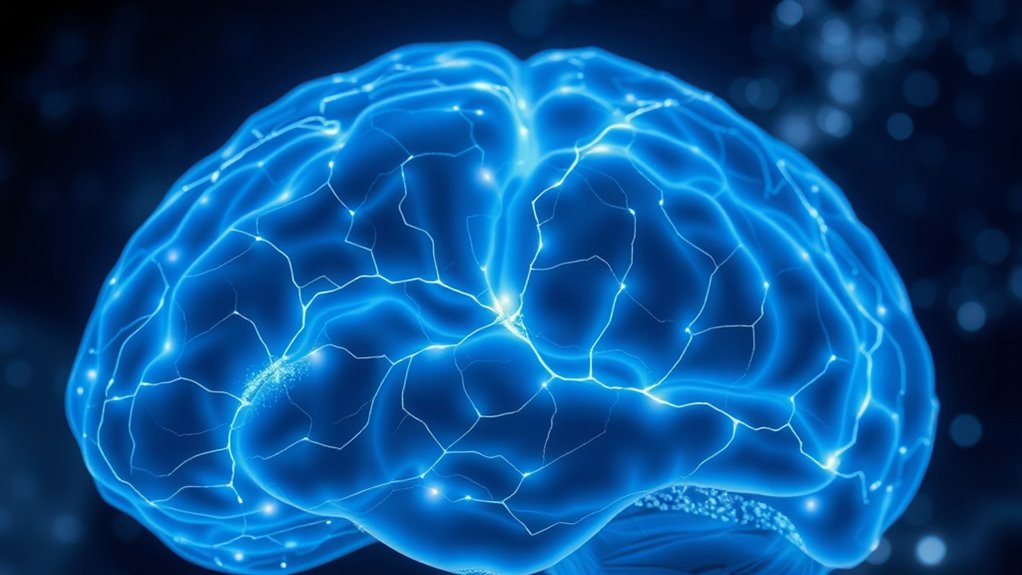

The glymphatic system is your brain’s hidden cleaning crew that works mainly during sleep. It flushes out waste products like beta-amyloid and tau proteins that can build up and harm your brain. When you get quality sleep, brain cells shrink, allowing cerebrospinal fluid to flow more easily through the spaces around blood vessels and clear toxins. Keep going to discover how supporting this system can boost your cognitive health and help prevent issues later on.
Key Takeaways
- The glymphatic system clears brain waste by circulating cerebrospinal fluid, especially during deep sleep.
- During sleep, brain cells shrink, allowing CSF to flow more effectively through perivascular spaces.
- It removes harmful waste proteins like beta-amyloid and tau, reducing neurodegenerative disease risk.
- Sleep quality directly impacts glymphatic efficiency; poor sleep impairs brain detoxification.
- Healthy vascular and lifestyle habits support optimal glymphatic function and overall brain health.
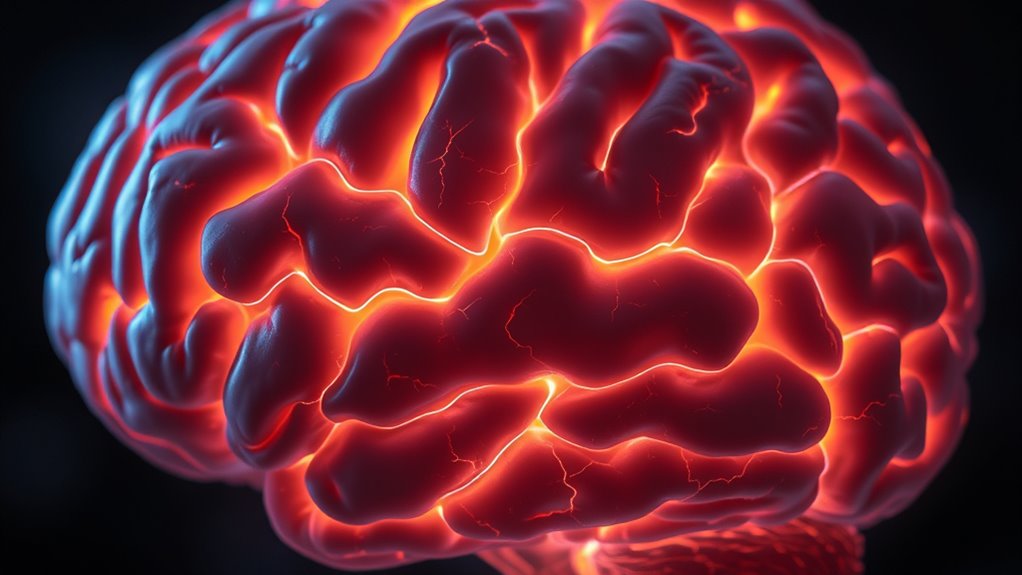
The glymphatic system is a network in your brain that helps clear out waste and maintain healthy brain function. Think of it as your brain’s natural cleaning crew, especially active when you’re asleep. During deep sleep, this system ramps up, allowing cerebrospinal fluid (CSF) to flow through your brain tissue more freely. This flow is essential for brain detox, removing metabolic waste products that accumulate from daily activity. Without this efficient clearance process, toxins like beta-amyloid and tau proteins could build up, contributing to neurodegenerative conditions such as Alzheimer’s disease.
The glymphatic system clears brain waste, especially during deep sleep, reducing the risk of neurodegenerative diseases like Alzheimer’s.
When you’re asleep, your brain isn’t just resting—it’s actively cleaning itself. The glymphatic system relies on the movement of cerebrospinal fluid, which enters your brain through perivascular spaces around blood vessels. As CSF circulates, it picks up waste products from brain cells and transports them out of your brain tissue. This process is akin to a plumbing system flushing out debris, ensuring your brain remains healthy and functioning at its best. The more effectively your glymphatic system works, the better your brain detox, reducing the risk of cognitive decline over time.
The flow of cerebrospinal fluid is driven by changes in pressure that occur during sleep, especially during slow-wave sleep. Your brain cells temporarily shrink, creating more space for CSF to circulate and wash away toxins. This is why quality sleep isn’t just about feeling rested; it’s indispensable for your brain’s cleaning process. Poor sleep or sleep disturbances can impair glymphatic function, leading to less efficient brain detox and potential toxin buildup. That’s why establishing good sleep habits is critical for maintaining cognitive health and preventing neurodegenerative diseases.
In addition to sleep, certain lifestyle factors can influence the efficiency of your glymphatic system. Regular exercise, staying hydrated, and managing stress all support healthy CSF flow and waste clearance. Conversely, factors like aging, inflammation, and dehydration can hinder this system’s effectiveness, making it harder for your brain to detox naturally. Understanding this intricate process highlights the importance of prioritizing sleep and a healthy lifestyle for long-term brain health. Proper circulation of cerebrospinal fluid is also affected by vascular health, emphasizing the need to maintain cardiovascular wellness. By doing so, you help guarantee your brain’s natural cleaning mechanism remains robust, reducing the risk of accumulating harmful waste and supporting overall cognitive well-being.
Frequently Asked Questions
How Does the Glymphatic System Differ From the Lymphatic System?
You might wonder how the glymphatic system differs from your body’s lymphatic system. The glymphatic system specifically manages brain lymphatics, clearing waste and supporting immune clearance during sleep. Unlike the lymphatic system in your body, it uses cerebrospinal fluid to flush out toxins from brain tissue. This specialized system guarantees your brain stays healthy, highlighting its unique role in immune clearance compared to the rest of your body’s lymphatic network.
Can the Glymphatic System Be Stimulated During Waking Hours?
You can stimulate your glymphatic system during waking hours by engaging in brain exercises and maintaining proper hydration. While it’s most active during sleep, activities like puzzles or learning new skills promote fluid movement. Staying well-hydrated supports clearance processes, keeping your brain clean even when awake. Combining mental challenges with hydration strategies enhances your brain’s detoxification, helping your glymphatic system work efficiently throughout the day, not just during sleep.
What Diseases Are Linked to Glymphatic System Dysfunction?
You should be aware that dysfunction in your glymphatic system links to neurodegenerative diseases like Alzheimer’s and Parkinson’s. When it doesn’t work properly, waste builds up in your brain, leading to cognitive decline over time. Poor sleep, aging, and certain health conditions can impair this system, increasing your risk. Maintaining healthy sleep habits and overall health supports your glymphatic function, potentially reducing your chances of developing these serious neurological diseases.
How Long Does It Take for the Glymphatic System to Clear Waste?
Think of your glymphatic system as a busy river washing away waste; it’s most efficient during sleep. Typically, it takes about 20-30 minutes of sleep for this system to complete a full waste clearance cycle. Your sleep duration directly influences this process, as longer, quality sleep allows more thorough cleaning. Skimp on sleep, and you risk leaving toxins behind, potentially affecting your brain’s health and function.
Are There Specific Foods or Activities That Enhance Glymphatic Function?
You can boost your glymphatic function through balanced nutrient intake and regular physical activity. Eating omega-3 fatty acids, antioxidants, and staying hydrated support brain health and waste clearance. Engaging in aerobic exercises like walking or cycling increases blood flow, promoting glymphatic activity. Consistent physical activity and nutritious foods work together to optimize your brain’s natural cleaning process, especially during sleep, helping you stay sharper and healthier.
Conclusion
Think of your brain as a bustling city at night, with the glymphatic system acting like a diligent street sweeper. As you sleep, it whizzes through the darkened streets, clearing away waste and grime to keep everything running smoothly. Without this hidden cleanup crew, your city’s lights could flicker and falter. So, next time you drift into sleep, remember you’re partnering with this silent guardian—your brain’s own night-shift hero, working tirelessly to keep you sharp and healthy.