Implementing a simple 4-step routine helps you prevent mystery shortages and keep your cash secure. Start by counting and verifying cash at the beginning of each shift to guarantee accuracy. Keep your cash organized and stored safely, using secure containers and proper segregation. Document all cash counts to spot discrepancies early. Regularly monitor and audit your processes to improve and adjust as needed. Keep practicing these steps consistently to protect your business from losses—more guidance awaits if you continue.
Key Takeaways
- Count and verify cash at the start and end of each shift to ensure accuracy.
- Record all cash amounts immediately after counting to maintain transparency.
- Reconcile cash totals with sales data regularly to detect discrepancies early.
- Store cash securely in lockable drawers or safes, organized by denomination.
- Conduct frequent audits and staff training to reinforce proper cash handling routines.
Why Consistent Cash Handling Prevents Mystery Shortages
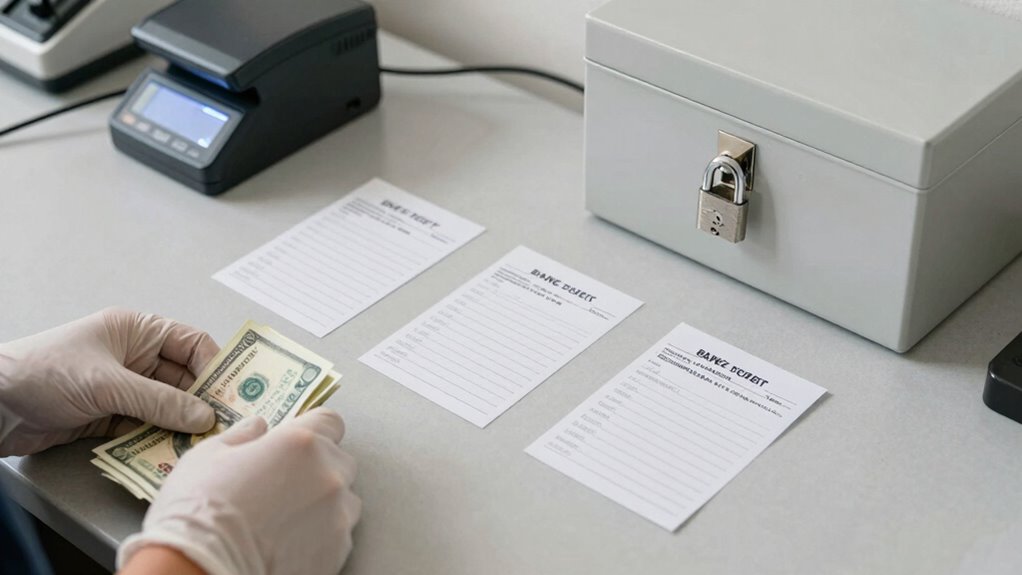
Consistent cash handling is essential because it helps identify discrepancies early, preventing mystery shortages from developing. When you handle cash regularly and systematically, you strengthen cash security, reducing opportunities for theft or errors. This disciplined approach promotes cash accountability by making sure all transactions are properly tracked. By sticking to a routine, you can quickly spot irregularities, such as unexpected shortages or overages, before they escalate. Maintaining strict procedures also builds trust in your cash management process, making it harder for discrepancies to go unnoticed. Implementing cash handling procedures and understanding their importance further minimizes the risk of errors and theft. Proper cash reconciliation is also critical in ensuring ongoing accuracy and preventing small issues from becoming larger discrepancies. Incorporating standardized protocols helps create consistency across staff members, further reducing the chance of oversight. Consistent procedures enhance internal controls, which are vital for safeguarding assets and maintaining compliance. Ultimately, consistent cash handling safeguards your business’s assets and helps uphold transparency in cash management.
How Cash Shortages Hurt Your Business and What You Can Do About It
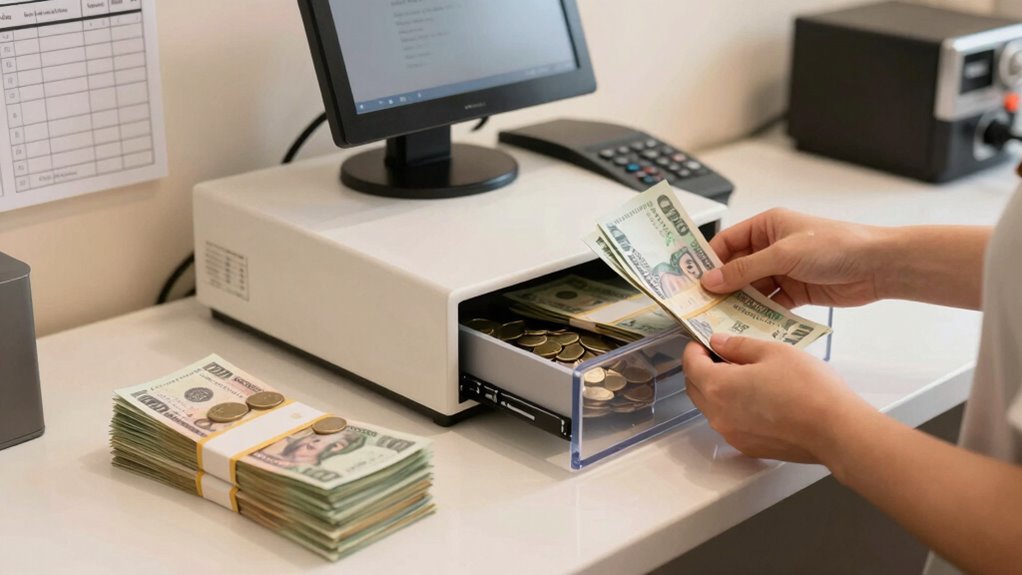
Cash shortages can directly cut into your profits, leaving you with less revenue to grow your business. They also increase the risk of staff theft and create operational disruptions that hurt customer service. Addressing these issues promptly helps protect your bottom line and keeps your business running smoothly. Implementing secure office gear such as smart locks can enhance your overall security and reduce vulnerabilities. Additionally, understanding how financial performance parts like reliable cash handling systems can improve operational efficiency is essential for long-term success.
Revenue Loss Risks
Have you ever considered how even small cash shortages can substantially impact your business’s profitability? When cash flow is disrupted, it becomes harder to cover daily expenses and invest in growth. These shortages can distort your revenue tracking, making it difficult to identify accurate sales figures and profit margins. Over time, unnoticed cash gaps erode your margins and reduce overall revenue. If you don’t address these issues promptly, they can lead to larger financial problems, including missed opportunities and strained supplier relationships. Implementing strict cash handling routines helps you catch shortages early, ensuring your cash flow remains healthy. By maintaining accurate revenue tracking and preventing leaks, you safeguard your profits and keep your business financially stable. Additionally, fostering a culture of support and boundaries among staff can help prevent accidental cash mishandling and promote accountability. Recognizing the importance of cash flow management allows you to implement proactive measures that minimize risks before they escalate.
Staff Theft Potential
Staff theft can markedly worsen cash shortages, especially when employees exploit vulnerabilities in your cash handling processes. Unscrupulous staff might siphon cash during transactions or hide shortages for personal gain. Without strong internal security measures, these thefts go unnoticed, causing discrepancies that disrupt your cash flow. Staff theft not only reduces revenue but also damages trust among your team and customers. Implementing strict controls like surveillance, cash reconciliation, and limited access to cash can substantially deter theft. Regular audits and clear policies reinforce accountability and make it harder for internal security breaches to occur. Recognizing the potential for staff theft is essential to maintaining accurate cash records and safeguarding your business’s financial health. A proactive approach helps prevent costly shortages rooted in internal security lapses. Incorporating traditional Indonesian decor masks into your workspace can also serve as a reminder of cultural integrity and attention to detail, which supports a security-conscious environment. Additionally, understanding the security zone information can help you design physical and procedural barriers that minimize internal theft risks. For example, implementing cash handling best practices can further secure your operations and reduce opportunities for theft. Developing a comprehensive internal control system is another crucial step in detecting and preventing theft before it impacts your business. Regular staff training on security protocols further enhances vigilance and reduces the likelihood of internal breaches.
Operational Disruptions
Operational disruptions caused by cash shortages can severely impact your business’s ability to serve customers and maintain smooth daily operations. When cash flow is tight, you may struggle to provide change, process transactions efficiently, or meet sudden cash demands. These issues lead to longer wait times, frustrated customers, and lost sales, directly affecting your operational efficiency. Consistent cash shortages can also cause staff to spend extra time managing cash gaps instead of focusing on service or sales. Over time, these disruptions can harm your reputation and profitability. By implementing effective cash handling routines, you guarantee a steady cash flow, minimizing interruptions. Maintaining reliable cash management helps keep your operations running smoothly, allowing you to serve customers promptly and sustain your business’s growth.
The 4 Essential Steps to Manage Cash and Avoid Shortages

Managing cash effectively is crucial to preventing shortages and ensuring smooth business operations. To do this, follow four essential steps. First, prioritize cash security by keeping cash in secure locations and limiting access. Second, maintain strict cash accountability with daily reconciliations. Third, train staff to handle cash properly and report discrepancies immediately. Fourth, implement clear procedures for deposits and withdrawals. Additionally, establishing a routine for cash handling can further reinforce these practices and minimize errors.
Count and Verify Cash at the Start of Every Shift
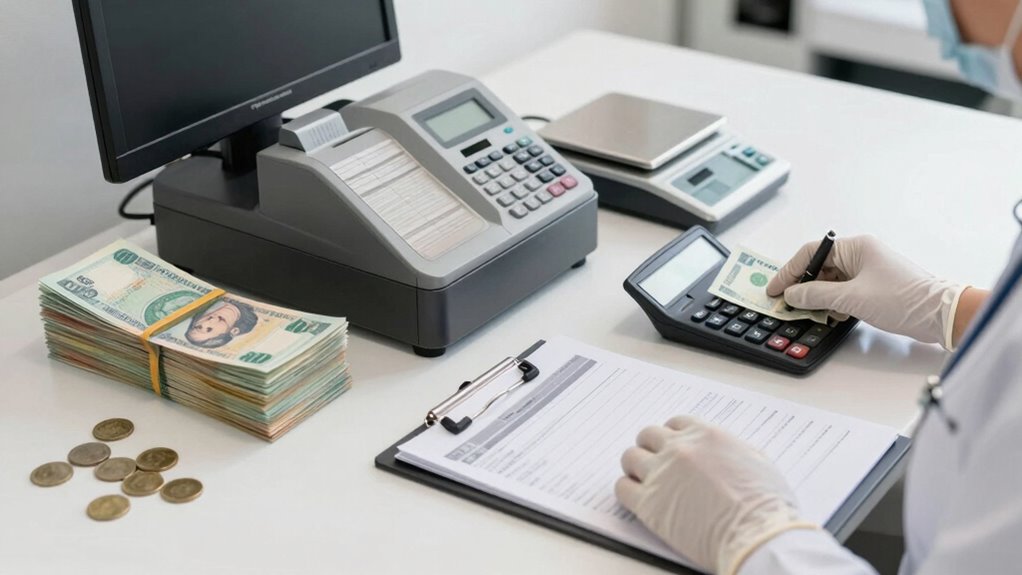
Starting each shift by counting and verifying your cash guarantees accuracy from the beginning. Make sure your cash drawer is prepared properly, and count all cash carefully. Then, verify the total against the register to catch any discrepancies early. Utilizing best practices and adhering to a consistent routine can help prevent errors and discrepancies. Incorporating free floating principles, such as maintaining flexibility in your procedures, can help adapt to unforeseen issues during cash handling. Additionally, implementing performance metrics can help monitor and improve your cash management process over time. Regularly reviewing cash handling procedures ensures that your staff remains aligned with current standards and minimizes the risk of errors. Being aware of affiliate disclosures ensures transparency and helps maintain trust in your procedures, especially when using third-party tools or resources.
Prepare Cash Drawer Properly
Begin each shift by counting and verifying the cash in your drawer to guarantee accuracy from the start. Follow your opening procedures carefully to confirm your cash drawer is correctly prepared. Start by organizing bills and coins, making sure each denomination matches the expected amount. Double-check that no cash is missing or extra, and record the starting balance accurately. This step helps prevent discrepancies later and sets a clear baseline for the shift. Properly preparing your cash drawer also involves ensuring all bills are facing the same direction and neatly stacked for quick access. Taking these measures reduces errors and speeds up transactions. Regularly inspecting your cash and sound quality and levels ensures everything remains accurate and comfortable throughout your shift. Consistent attention to preparation builds trust in your cash handling process and minimizes the risk of mystery shortages.
Count All Cash Carefully
How do you guarantee your cash drawer is accurate from the very start? You do a thorough count using proper cash counting techniques. Begin each shift with a careful cash audit, verifying every bill and coin. Use consistent methods to count bills and coins, reducing errors. Record your totals immediately to maintain accuracy. To stay organized, follow this simple process:
| Step | Action |
|---|---|
| Count Cash | Count bills and coins separately. |
| Verify Totals | Double-check your count before recording. |
| Record and Secure | Log your totals and lock the drawer. |
Verify Against Register Total
To make certain your cash drawer is accurate from the moment your shift begins, you need to verify the cash count against the register’s total. This step, known as cash verification, ensures that your starting cash matches the register’s reported amount. First, count all cash carefully, then compare your tally to the cash register’s opening balance. If there’s a discrepancy, double-check your count and review any previous totals. Accurate cash verification prevents errors from slipping unnoticed and helps identify issues early. Always document the verified amount and report any mismatches immediately. Consistently verifying against the register total keeps your cash handling transparent and reduces the risk of mystery shortages during your shift. It’s a simple, essential step to maintain integrity in cash management.
Keep Your Cash Organized and Secure : Best Storage Practices
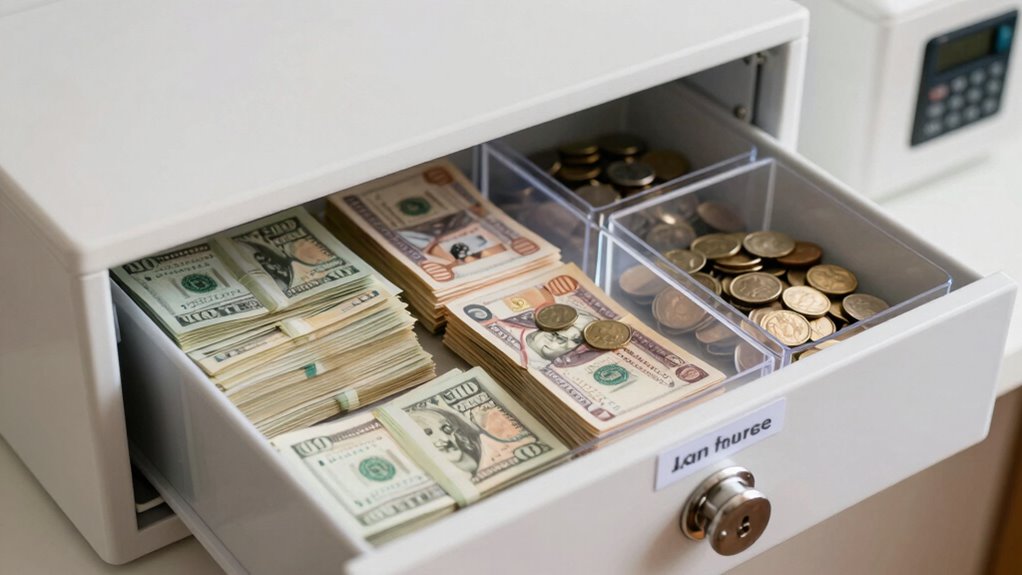
Keeping your cash organized and secure starts with choosing the right storage methods. Implement effective storage solutions that prioritize cash security to prevent theft and errors. Use lockable cash drawers or safes to keep money safe from unauthorized access. Clearly separate denominations with dividers or compartments to streamline counting and reduce mistakes. Regularly audit and empty cash containers to minimize clutter and potential discrepancies. Keep storage areas clean, well-lit, and restricted to authorized personnel only. Avoid stacking cash loosely or leaving it unattended, which can increase risk. Proper storage practices protect your funds and help maintain accurate records. Remember, organized and secure cash storage is the foundation of effective cash handling and prevents mystery shortages.
Count and Reconcile Cash During and After Transactions

Once your cash is securely stored, the next step is to accurately count and reconcile funds during and after each transaction. Proper cash counting ensures you know exactly how much money you’ve received, while cash reconciliation helps identify discrepancies early. Use a consistent process to verify cash amounts against sales records. Keep the following in mind:
| Step | Action | Purpose |
|---|---|---|
| Count cash | Count bills and coins at transaction end | Confirm received amount |
| Record totals | Log cash amounts immediately | Maintain accurate records |
| Reconcile | Match cash with sales data | Detect discrepancies early |
| Adjust | Correct any differences promptly | Prevent shortages or overages |
| Secure | Store cash securely after counting | Maintain security and accuracy |
Document Cash Counts and Spot Discrepancies Early

You should record cash counts consistently using clear procedures to guarantee accuracy. Spot discrepancies as soon as they arise to prevent larger issues later. Addressing differences early helps maintain trust and keeps your cash handling process tight.
Consistent Recording Procedures
How can consistent recording of cash counts help prevent errors and theft? By maintaining accurate records, you strengthen cash security and promote staff accountability. Regular documentation ensures discrepancies are spotted early, reducing opportunities for theft or mistakes to go unnoticed. To improve this process, consider these practices:
- Use standardized forms for all cash counts
- Record every discrepancy immediately with details
- Cross-check counts with previous records regularly
- Assign specific staff responsible for recording
- Review logs daily for unusual patterns
Implementing consistent recording procedures creates a transparent environment where errors are easier to catch and accountability is clear. This disciplined approach makes it harder for theft to go unnoticed, safeguarding your cash flow and reinforcing trust within your team.
Immediate Discrepancy Identification
Consistent recording of cash counts sets the foundation for effective cash management, but promptly identifying discrepancies takes this process a step further. During a cash audit, you should compare recorded amounts with actual cash in hand immediately. If you notice any discrepancy, act quickly to generate a discrepancy alert. This early detection helps prevent small errors from becoming larger issues later. Spotting discrepancies right away allows you to investigate their cause and correct mistakes promptly. By documenting cash counts accurately and responding to discrepancies immediately, you maintain tighter control over your cash flow. This proactive approach minimizes the risk of mystery shortages and keeps your cash handling processes transparent and trustworthy. The key is to act swiftly and consistently whenever irregularities are detected.
Common Cash Handling Mistakes That Cause Shortages and How to Avoid Them

One of the most common reasons for cash shortages is simple mistakes during daily transactions. These errors can happen quickly and often go unnoticed, leading to discrepancies. To improve cash handling and mistake prevention, watch out for:
- Giving incorrect change due to miscalculations
- Failing to count cash at the start or end of shifts
- Not recording transactions accurately
- Mixing different denominations carelessly
- Leaving cash unsecured or unattended
How to Train Your Staff in Cash Handling Best Practices
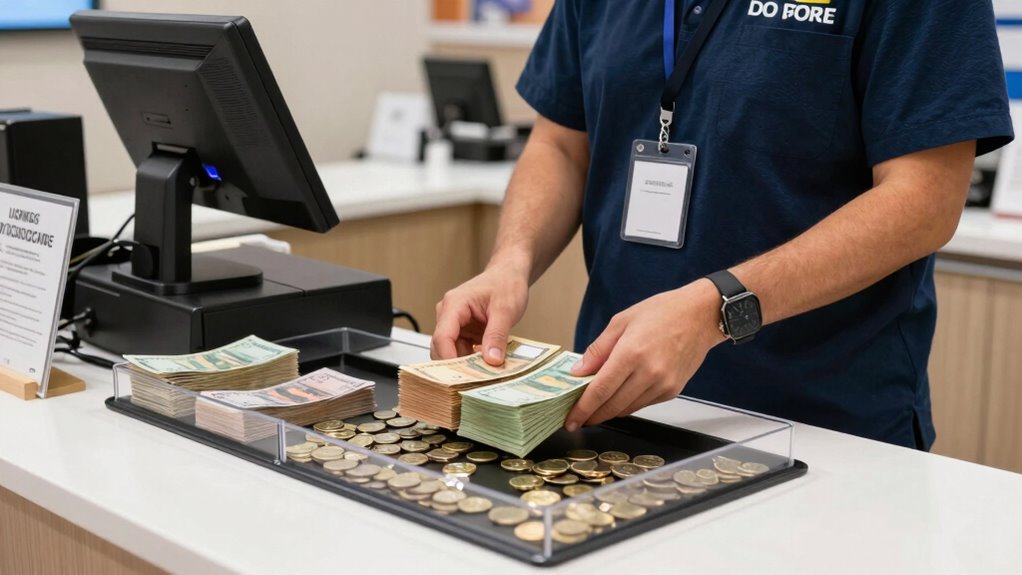
Proper staff training is the foundation for minimizing cash handling errors and maintaining accurate records. When you invest in effective staff training, your team learns essential cash handling procedures, such as counting cash accurately, recording transactions properly, and securing cash at all times. Consistent training helps staff understand the importance of following established routines and recognizing potential issues before they escalate. Use hands-on demonstrations, clear checklists, and regular refreshers to reinforce best practices. Encourage open communication, so employees feel comfortable asking questions. Well-trained staff will handle cash confidently, reduce mistakes, and contribute to a reliable cash management system. Ultimately, strong staff training is key to preventing shortages and safeguarding your business’s financial integrity.
Monitor, Audit, and Continuously Improve Your Cash Processes

To keep your cash handling processes secure and efficient, regularly monitoring, auditing, and seeking ways to improve are essential steps. By tracking cash flow, you can identify irregularities early and prevent theft. Conduct audits frequently to verify cash accuracy and ensure compliance with procedures. Continuously enhancing your system helps catch vulnerabilities before they result in shortages.
Consider these key actions:
- Implement real-time cash flow tracking
- Schedule regular internal audits
- Review CCTV footage for theft prevention
- Update procedures based on audit findings
- Train staff on new best practices
Staying proactive helps you detect discrepancies promptly, minimize losses, and maintain confidence in your cash processes. Regular oversight is your best defense against mystery shortages and theft.
Frequently Asked Questions
How Often Should Cash Counts Be Performed During a Shift?
You should perform cash counts during each shift at regular intervals, ideally during key shift timing points like start, midpoint, and end. Conducting a cash audit at these times helps catch discrepancies early. By sticking to this routine, you prevent mystery shortages and guarantee accurate records. Regular cash counts keep you in control, making it easier to identify any issues before they become bigger problems.
What Are Signs of Cash Handling Errors or Theft?
You can spot cash handling errors or theft by noticing discrepancies during cash counts, such as unexplained shortages or overages. Watch for signs of cash theft, like missing money or inconsistent cash amounts. Use counterfeit detection tools regularly to prevent counterfeit bills from slipping through. If you notice suspicious activity or irregularities, report them immediately. Staying vigilant helps catch errors early and prevents potential theft, keeping your cash handling secure.
How Can Technology Improve Cash Management Accuracy?
Ever wish your cash mishaps could vanish with a click? Cash automation and digital auditing turn that dream into reality. They boost accuracy by reducing human error, automatically track every dollar, and flag discrepancies instantly. No more guessing games or mystery shortages. Instead, you gain a crystal-clear view of transactions, making your cash management smarter, faster, and downright foolproof. Embrace technology—your wallet (and sanity) will thank you.
What Training Methods Are Most Effective for Staff?
You should focus on interactive training methods like role-playing and hands-on practice to boost employee engagement. Regular training reinforcement guarantees staff retain essential cash handling skills and understand the importance of accuracy. Incorporate ongoing feedback and refreshers to keep everyone sharp. By actively involving your team and reinforcing lessons, you create a culture of precision, reducing errors and improving overall cash management.
How Should Discrepancies Be Documented and Reported?
When you find a discrepancy, don’t delay—document and report it immediately. You should record details during cash reconciliation, noting the amount and possible causes. Use a clear discrepancy reporting process to alert supervisors quickly. This proactive approach helps prevent theft and errors, ensuring accurate records. Your swift action maintains trust and keeps the cash handling system secure, making you an essential part of the solution.
Conclusion
By following these four simple steps, you can substantially reduce mystery shortages and protect your profits. Did you know that businesses lose up to 7% of their revenue annually due to cash handling errors? Staying vigilant, organized, and consistent in your cash routines not only prevents discrepancies but also builds trust with your team. Implement these practices today to keep your cash flow secure and your business thriving.