

When you switch between tasks frequently, your mind feels busy and productive because you’re constantly moving and doing something. However, each switch resets your focus and requires mental effort to reorient, which slowly drains your energy. This Fragmented approach actually takes longer and increases mistakes, quietly reducing your work quality. If you want to know how to break free from this illusion and boost your productivity, keep exploring the strategies that can help you focus better.
Key Takeaways
- Task switching creates a false sense of progress by making you appear busy without completing tasks.
- Constant focus resets drain mental energy, reducing actual productivity despite the illusion of activity.
- Frequent switching causes cognitive fatigue, leading to mistakes and lower-quality work over time.
- The brain spends more time reorienting than making meaningful progress, undermining efficiency.
- Prioritizing single-task focus preserves mental stamina and results in faster, higher-quality output.

You might feel like switching between tasks keeps you busy and makes you more productive, but in reality, it quietly undermines your output. This phenomenon is often called task switching, and while it appears to keep your day dynamic, it actually hampers your efficiency. When you jump from one task to another, your brain isn’t just multitasking; it’s constantly resetting its focus. This process, known as reducing multitasking efficiency, means you spend more time reorienting yourself each time you switch, rather than making meaningful progress. It’s a subtle drain on your productivity that’s easy to overlook because you’re busy and seemingly accomplishing a lot.
The real toll of this behavior becomes clear when you consider the cognitive fatigue effects. Every time you switch tasks, your brain needs to recalibrate, re-engage, and refocus. This mental juggling consumes mental energy and diminishes your ability to concentrate deeply. Over time, this leads to cognitive fatigue, a state where your brain feels drained, less alert, and less capable of sustained focus. As fatigue builds, your ability to produce high-quality work diminishes, and mistakes become more frequent. You might notice that after a long day of constant switching, tasks that once felt easy now seem overwhelming. Recognizing the importance of mental stamina can help you prioritize tasks more effectively and avoid unnecessary switches.
Despite these drawbacks, many people falsely equate multitasking with productivity because they see themselves as busy. But in reality, this effort often results in fragmented work that takes longer to complete and is less thorough. A key factor in this process is cognitive fatigue, which can significantly reduce your mental stamina. Recognizing the impact of task switching on mental energy can help you develop better work habits and improve your overall efficiency. Research shows that minimizing context switching allows your brain to allocate resources more effectively, leading to better focus and output. Additionally, understanding the importance of focused attention can help you resist the temptation to switch tasks unnecessarily, thereby preserving your mental energy. The illusion of productivity persists because you’re constantly moving, but the actual output quality suffers. This is why focusing on one task at a time—what’s known as deep work—is far more effective. When you give your full attention to a single task, you reduce cognitive fatigue effects, increase your efficiency, and produce better results faster.
Multitasking creates fragmented work and reduces quality; focusing on one task boosts efficiency and results.
In the end, understanding this dynamic helps you reclaim control over your work habits. Recognize that each switch costs you precious mental energy and that sustained focus is your best tool for maximizing both productivity and quality. Avoid the trap of feeling busy just because you’re multitasking; instead, prioritize completing tasks fully and in sequence. Your output will improve, and your mental stamina will thank you.

ProCase Hearing Protection Ear Muffs NRR 28dB, Noise Cancelling Headphones
- Hearing Protection Rating: NRR 28 dB, ANSI S3.19 certified
- Adjustable Headband: Fits most head sizes, padded and metal frame
- Comfortable Fit: Even pressure, compatible with glasses
As an affiliate, we earn on qualifying purchases.
As an affiliate, we earn on qualifying purchases.
Frequently Asked Questions
How Does Context Switching Affect Long-Term Project Deadlines?
Context switching can delay your long-term project deadlines because it causes multitasking fatigue and focus fragmentation. When you switch tasks frequently, your brain struggles to maintain momentum, leading to slower progress. Over time, this fragmentation reduces your efficiency, meaning tasks take longer than expected. To meet deadlines, you need to minimize unnecessary switches, stay focused on one goal at a time, and avoid the mental drain caused by constant multitasking.
Can Frequent Switching Improve Creativity or Innovation?
Sure, frequent switching might seem like a way to boost creativity, but it often just causes creative disruption. Instead of steady innovation sparks, you get scattered ideas and shallow insights. Ironically, constant context switching hampers deep thinking, which is essential for true innovation. If you want to foster real creativity, focus on uninterrupted time; it’s the quiet moments that fuel meaningful, long-lasting ideas.
What Are the Signs of Excessive Context Switching?
You notice signs of excessive context switching when you frequently jump between tasks, feel overwhelmed, or struggle to complete projects. You might experience focus fatigue, making it hard to concentrate for long periods. Remember, multitasking myths can trick you into believing you’re more productive, but constant switching actually hampers your output. If you find yourself distracted and your work quality declining, it’s a clear sign to minimize interruptions and restore focus.
How Can Teams Minimize the Negative Effects of Switching?
You can minimize the negative effects of switching by strengthening team communication and clear task prioritization. Encourage your team to set daily goals and focus on high-priority tasks first, reducing unnecessary shifts. Use collaborative tools to keep everyone aligned, and establish dedicated blocks of time for deep work. Regular check-ins help clarify priorities, ensuring team members stay focused and avoid frequent, disruptive switching.
Does the Type of Task Influence the Impact of Context Switching?
Absolutely, the type of task dramatically influences how context switching impacts you. When you switch between simple, low cognitive load tasks, it’s like flipping a switch—easy and barely noticeable. But tackle complex, high cognitive load tasks, and you might feel like you’re carrying a mountain of mental baggage every time you switch. Your brain struggles to reset, causing productivity to plummet and mental fatigue to skyrocket.

Speed BOOSTER and Memory Cleaner
- Device Compatibility: Optimized for Fire Tablets and Phones
- Ease of Use: Simplest optimizer available
- One-Tap Optimization: All-in-one quick cleanup
As an affiliate, we earn on qualifying purchases.
As an affiliate, we earn on qualifying purchases.
Conclusion
So, the next time you jump from task to task, remember: each switch is a silent thief stealing your focus and productivity. What feels like progress may actually be a mirage, distracting you from true achievement. Like chasing shadows, you end up exhausted and unfulfilled. Don’t let the illusion of busyness fool you—pause, focus, and give your work the attention it deserves. Only then can you turn fleeting moments into real milestones.

ZICOTO Aesthetic Daily Planner And Spiral Notebook With Hourly Schedule
- Stay Organized and Reduce Stress: Easily manage your schedule and notes
- Boost Productivity with Time Blocks: Break tasks into half-hour focus periods
- Ample Planning Space: Plan 105 days across 2 pages each
As an affiliate, we earn on qualifying purchases.
As an affiliate, we earn on qualifying purchases.
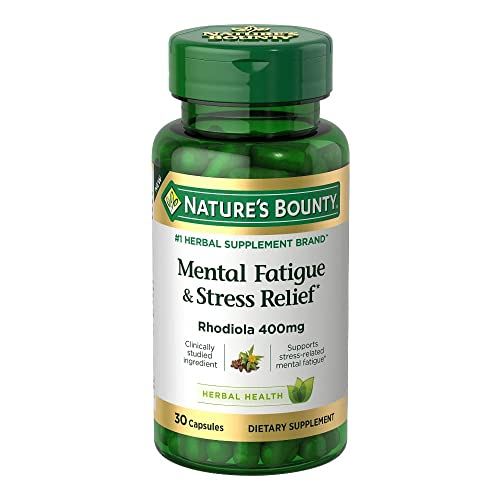
Nature's Bounty Mental Fatigue and Stress Relief, 400mg, 30 Capsules
- Supports Mental Fatigue and Stress: Helps with stress-related mental fatigue
- Enhances Stress Resistance: Builds body's resistance to stress
- Contains 400 mg Rhodiolife: Includes clinically studied Rhodiola root
As an affiliate, we earn on qualifying purchases.
As an affiliate, we earn on qualifying purchases.