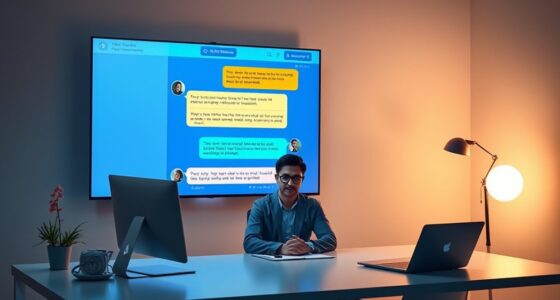
AI-driven coaching platforms help you deliver personalized growth strategies at scale by analyzing performance data and automating routine check-ins. This technology makes elite development accessible to everyone, regardless of your organization’s size or resources. It provides real-time, objective feedback and identifies skill gaps proactively, empowering you and your team to grow continuously. If you want to discover how AI can transform your coaching approaches further, there’s more to explore below.
Key Takeaways
- AI enables personalized, real-time feedback for all employees, making elite coaching accessible at scale.
- Automated systems handle routine check-ins, freeing managers to focus on high-impact development activities.
- Centralized data analytics identify skill gaps and trends, allowing targeted coaching for large teams efficiently.
- Technology democratizes access to expert insights, reducing reliance on limited human resources.
- AI-driven coaching fosters continuous growth, ensuring consistent, unbiased, and inclusive development opportunities.

As organizations grow, providing effective coaching to every employee can seem intimidating. The traditional approach of one-on-one sessions with senior leaders simply doesn’t scale when you’re managing hundreds or thousands of staff members. That’s where technology integration comes into play, transforming how coaching is delivered across large teams. With the right tools, you can offer personalized feedback at scale, guaranteeing each employee receives guidance tailored to their unique strengths and development areas. Instead of relying solely on manual processes, AI-powered coaching platforms analyze individual performance data, identify skill gaps, and suggest targeted growth strategies. This automation empowers managers to focus on high-impact interactions, while the technology handles routine check-ins and development plans.
By integrating advanced software into your coaching framework, you can guarantee consistency and objectivity in feedback. Employees no longer have to wait for scheduled reviews or depend solely on their managers’ perceptions. Instead, they receive real-time insights generated through data analysis, which helps them understand their progress and areas for improvement. Personalized feedback becomes more precise, actionable, and timely, fostering continuous development rather than sporadic bursts of insight. This approach democratizes access to expert-level coaching, making it possible for employees at all levels to benefit from tailored guidance without the bottleneck of limited human resources.
Technology integration also facilitates scalable coaching programs by creating a centralized hub for performance tracking and development resources. Employees can access personalized learning paths, receive automated prompts for skill-building activities, and engage with interactive modules—all aligned with their individual goals. Managers, in turn, gain visibility into team-wide trends and individual challenges, enabling more strategic coaching interventions. The use of AI-driven analytics helps identify patterns that might otherwise go unnoticed, such as recurring skill gaps or engagement issues, allowing organizations to address them proactively. This seamless blend of human insight and machine intelligence makes coaching more efficient and accessible. Additionally, the personalization of coaching ensures that each employee’s unique needs are met, fostering a more engaged and motivated workforce.
Ultimately, embracing technology integration enhances your organization’s ability to deliver personalized coaching at scale. It reduces the logistical hurdles of traditional methods while maintaining a focus on individual growth. Employees feel supported through continuous, tailored feedback, which boosts motivation and performance. Managers gain powerful insights to guide their teams more effectively, fostering a culture of development that’s inclusive and sustainable. When you leverage AI and automation wisely, you turn coaching from a resource-intensive effort into a strategic advantage—democratizing elite growth strategies and revealing everyone’s potential.

Digital SAT Test Prep: The Complete & Step-by-Step Study System to Ace the SAT and Improve Your Score — Daily AI Coaching, Adaptive Learning Platform, and 50 Bonus Full-Length Tests
As an affiliate, we earn on qualifying purchases.
As an affiliate, we earn on qualifying purchases.
Frequently Asked Questions
How Does AI Ensure Personalized Coaching for Diverse Learners?
You might wonder how AI guarantees personalized coaching for diverse learners. It does this through adaptive learning, which tailors content based on individual progress and needs. Additionally, AI incorporates cultural sensitivity, recognizing and respecting different backgrounds. This combination helps you receive relevant, customized guidance, making coaching more effective and inclusive for everyone, regardless of their unique learning styles or cultural contexts.
What Are the Ethical Considerations of Ai-Driven Coaching?
You might think AI-driven coaching is purely beneficial, but ethical concerns are real. Privacy concerns arise as sensitive data is collected and stored. Bias mitigation is vital to prevent unfair treatment of diverse learners. You should question how algorithms are trained and ensure transparency. By addressing these issues, you help create a fair, trustworthy AI coaching environment that respects individual rights and promotes equitable growth opportunities.
How Cost-Effective Is AI Coaching Compared to Traditional Methods?
When comparing AI coaching to traditional methods, you’ll find AI is generally more cost-effective due to lower delivery costs and scalable access. The cost comparison shows significant savings, especially for organizations or individuals with limited budgets. Plus, accessibility metrics reveal that AI coaching reaches a broader audience quickly, offering personalized support anytime, anywhere. This makes AI coaching a smart, budget-friendly option that democratizes growth strategies, empowering more people than ever before.
Can AI Coaching Replace Human Mentors Entirely?
Imagine a world where AI coaching becomes your Yoda, but it can’t replace human mentors entirely. While AI excels at providing personalized insights and scalable growth, it lacks human intuition and emotional intelligence. You still need human mentors for empathy, nuanced understanding, and complex decision-making. AI can be a powerful supplement, but it won’t fully replace the human touch that guides, motivates, and connects with you on a deeper level.
What Skills Are Necessary to Implement AI Coaching at Scale?
To implement AI coaching at scale, you need strong skills in data privacy and security to protect user information. You should also focus on skill development in AI technology, data analysis, and machine learning. Additionally, understanding ethical considerations and user experience design helps guarantee your AI coaching tools are effective and trustworthy. With these skills, you can create scalable AI solutions that deliver personalized growth strategies responsibly.

Healthcare Analytics for Quality and Performance Improvement
As an affiliate, we earn on qualifying purchases.
As an affiliate, we earn on qualifying purchases.
Conclusion
Now, with AI democratizing elite coaching, you’re no longer confined by traditional limits. While once only the privileged accessed top-tier strategies, technology levels the playing field. Yet, this abundance can feel overwhelming, like a flood of endless advice. But remember, just as AI makes growth strategies accessible, your clarity and focus will determine your success. Embrace the tools, but stay grounded in your unique goals—because true mastery isn’t just scale, it’s depth.

Bridge the Gap Lead the Pack: 5 Bullet-Proof Ways to Connect and Lead Multi-Generations in the Workplace
As an affiliate, we earn on qualifying purchases.
As an affiliate, we earn on qualifying purchases.
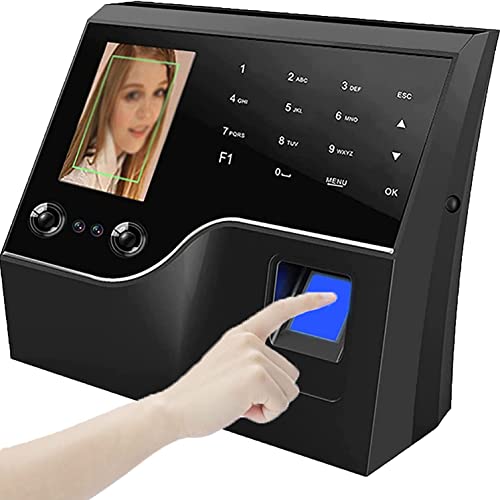
Fingerprint Attendance Machine with LCD Screen, Face Recognition and Time Clock Recorder for Employee Check-in, Automated Attendance Tracking System
- Fingerprint Storage Capacity: Stores up to 1000 fingerprints
- Record Capacity: Holds 100,000 attendance records
- Biometric Technology: 360° optical fingerprint recognition
As an affiliate, we earn on qualifying purchases.
As an affiliate, we earn on qualifying purchases.