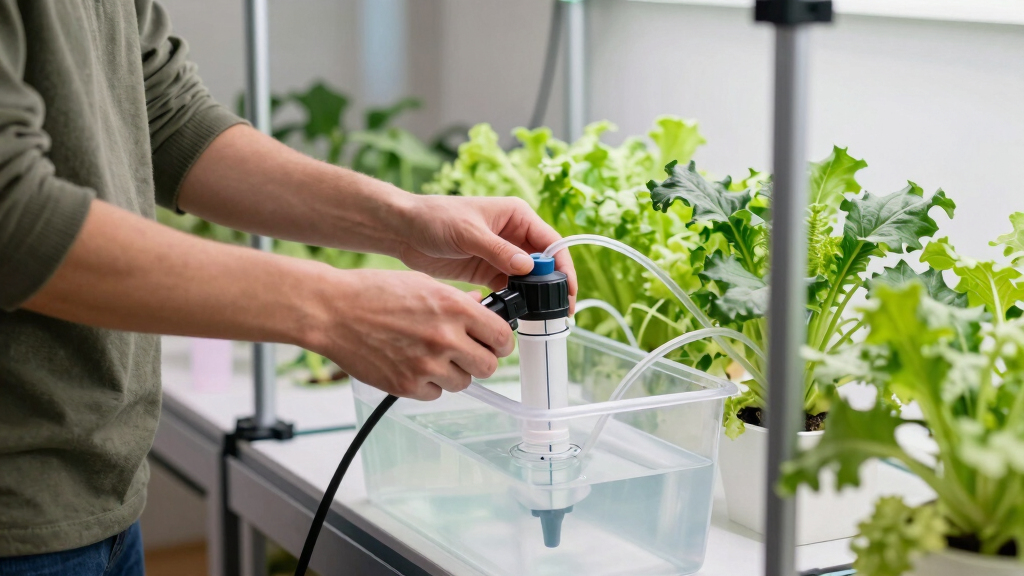
Choosing the right inline sediment filter for hydroponics involves balancing filtration capacity, ease of use, and compatibility with your system. The Waterdrop RPFK Spin Down Sediment Filter stands out for its high flow rate and durable construction, making it ideal for larger setups. The Hydronix ISF-10 offers a straightforward solution for pre-filtration in appliances like water chillers and reservoirs. Meanwhile, the PGF1 Spin Down Garden Hose Filter provides versatile outdoor filtration with multiple micron options, perfect for protecting outdoor equipment. Each of these picks presents unique tradeoffs, whether it’s maintenance frequency or connection compatibility, so I’ll help you navigate which fits your hydroponic needs best.

Get the little things that make your day delivered free with Prime
- Fast, free delivery on millions of items
- Prime Video, Amazon Music and more included
- Member-only deals all year
Key Takeaways
- The Waterdrop RPFK excels in high flow rates and long-term durability, ideal for larger hydroponic systems.
- Hydronix ISF-10 provides a simple, effective sediment pre-filter for various appliances, but limited to sediment only.
- PGF1 Spin Down offers versatile micron options and outdoor protection, though it requires manual backflushing.
- AquaticLife RO Buddie is excellent for aquarium systems, with easy monitoring but limited to sediment filtration.
- SpiroPure SP-IS105QC is quick to install and versatile, making it suitable for multiple water appliances in hydroponic setups.
| Waterdrop RPFK Spin Down Sediment Filter, 40-50 Micron, BPA Free |  | Best Overall for Large Hydroponic Systems | Filter Micron Size: 40-50 Micron | Material: 316L stainless steel, BPA-free plastic housing, brass fittings | Maximum Flow Rate: 20 gpm | VIEW LATEST PRICE | See Our Full Breakdown |
| Hydronix ISF-10 Inline Sediment Water Filter, 2″ x 10″, 1/4″ NPT Ports |  | Best for Appliance Pre-Filtration | Size: 2″ x 10″ | Ports: 1/4″ NPT | Material: Polypropylene | VIEW LATEST PRICE | See Our Full Breakdown |
| PGF1 Spin Down Garden Hose Sediment Filter, 3/4″ GHT Connector |  | Best Outdoor Sediment Filter | Connection Size: 3/4″ GHT | Maximum Pressure: 145 psi | Micron Options: 40/100/200 Microns | VIEW LATEST PRICE | See Our Full Breakdown |
| AquaticLife RO Buddie Inline Sediment Filter Cartridge, 5 Micron |  | Best for Aquarium and Water Purity | Micron Rating: 5 Micron | Compatibility: Aquatic Life models and other RO/RODI units | Housing Material: Translucent polyethylene | VIEW LATEST PRICE | See Our Full Breakdown |
| SpiroPure SP-IS105QC Inline Sediment Water Filter 1/4″ Quick-Connect, 2×10 |  | Best Versatile Inline Filter | Filtration Type: Sediment | Size: 2″ x 10″ | Connection: 1/4″ Quick-Connect | VIEW LATEST PRICE | See Our Full Breakdown |
More Details on Our Top Picks
Waterdrop RPFK Spin Down Sediment Filter, 40-50 Micron, BPA Free
The Waterdrop RPFK Spin Down Sediment Filter offers a robust solution for hydroponics with its 50-micron stainless steel filter, capable of trapping rust and debris effectively. It stands out for its high flow rate of 20 gpm, making it suitable for larger systems that demand quick filtration without pressure drops. Its durable German-made housing and NSF/ANSI 372 certification provide peace of mind for long-term use. While it’s easy to install and supports backwash cleaning to extend filter life, it’s not compatible with garden hoses and requires regular backflushing to prevent clogging. This makes it ideal for dedicated hydroponic reservoirs but less so for quick outdoor setups.
Pros:- High flow rate supports large-scale systems
- Durable German-made housing withstands pressure
- Effective at rust and debris removal
- Supports backwash cleaning
Cons:- Not compatible with garden hoses
- Requires regular backflushing
Best for: Large-scale hydroponic systems needing reliable, high-capacity filtration
Not ideal for: Outdoor garden hoses or systems where frequent backflushing isn’t feasible
- Filter Micron Size:40-50 Micron
- Material:316L stainless steel, BPA-free plastic housing, brass fittings
- Maximum Flow Rate:20 gpm
- Operating Pressure Range:14.5~72 psi
- Maximum Temperature:100°F
- Supported Water TDS Level:Maximum 300 ppm
Our verdict“Ideal for large, high-demand hydroponic setups needing durable, high-capacity sediment filtration.”
Hydronix ISF-10 Inline Sediment Water Filter, 2″ x 10″, 1/4″ NPT Ports
The Hydronix ISF-10 offers a straightforward, affordable sediment filtering solution suitable for ice makers, water coolers, and similar appliances used in hydroponics. Its 2″ x 10″ polypropylene cartridge effectively reduces sediment, improving water clarity and protecting delicate equipment. Its simple NPT connections make installation quick and compatible with many standard water lines. However, it’s limited to sediment removal only, so it doesn’t address chemical or organic contaminants, which might be a drawback in more complex hydroponic systems requiring multi-stage filtration. Replacement is necessary once clogged, adding ongoing maintenance considerations.
Pros:- Effective sediment reduction
- Easy to install with standard NPT ports
- Affordable and straightforward
Cons:- Limited to sediment only
- Requires replacement when clogged
- Not suitable for chemical filtration
Best for: Pre-filtration in hydroponic water systems and appliances
Not ideal for: Systems needing chemical or microbial filtration
- Size:2″ x 10″
- Ports:1/4″ NPT
- Material:Polypropylene
Our verdict“A practical choice for simple sediment pre-filtration in hydroponic setups, especially where budget and ease of use matter.”
PGF1 Spin Down Garden Hose Sediment Filter, 3/4″ GHT Connector
The PGF1 Spin Down Garden Hose Sediment Filter is a versatile outdoor filter designed to protect outdoor equipment like pressure washers and irrigation lines from dirt and rust. Its 3/4″ GHT connection makes it easy to attach to garden hoses, and its interchangeable stainless steel mesh filters support micron options of 40, 100, and 200. Its quick-flush design allows for manual backflushing, reducing clogging and extending the filter’s life. However, its manual maintenance requirement might be inconvenient for those seeking a low-maintenance solution for indoor hydroponic systems. Its outdoor focus limits its direct use in enclosed hydroponic reservoirs but makes it excellent for outdoor water sources.
Pros:- Effective at reducing sediment, rust, and debris
- Reusable with quick backflushing
- Multiple micron options for tailored filtration
Cons:- Requires manual backflushing
- Limited to 3/4″ GHT connections
- Designed primarily for outdoor use
Best for: Protecting outdoor hydroponic equipment and water sources
Not ideal for: Indoor systems or setups requiring continuous unattended filtration
- Connection Size:3/4″ GHT
- Maximum Pressure:145 psi
- Micron Options:40/100/200 Microns
Our verdict“Best suited for outdoor hydroponic setups where water source filtration and equipment protection are priorities.”
AquaticLife RO Buddie Inline Sediment Filter Cartridge, 5 Micron
The AquaticLife RO Buddie delivers precise sediment filtration with its 5-micron rating, making it ideal for maintaining water clarity in hydroponic reservoirs that incorporate aquaponics or sensitive water systems. Its translucent housing allows for easy monitoring of when the filter needs replacing, typically every 3-6 months or after 1,500 gallons. While it’s excellent at removing sand and silt particles, it doesn’t address dissolved chemicals or organic matter. Its inline design makes installation straightforward, but it’s best suited for small to medium setups where detailed sediment removal is valued over chemical filtering.
Pros:- Effective at sediment removal
- Easy inline installation
- Translucent housing for monitoring
Cons:- Replacements needed every few months
- Limited to sediment filtering
- Not suitable for high flow demands
Best for: Hydroponic reservoirs with aquaponic elements or delicate water needs
Not ideal for: Large-scale hydroponics requiring high flow or chemical filtration
- Micron Rating:5 Micron
- Compatibility:Aquatic Life models and other RO/RODI units
- Housing Material:Translucent polyethylene
Our verdict“Ideal for small-scale or precision hydroponic water systems where sediment clarity is paramount.”
SpiroPure SP-IS105QC Inline Sediment Water Filter 1/4″ Quick-Connect, 2×10
The SpiroPure SP-IS105QC is a flexible, easy-to-install sediment filter suitable for a variety of hydroponic water appliances, including refrigerators, RO systems, and coffee makers. Its quick-connect fittings simplify setup, and its 2″ x 10″ size provides ample filtration capacity. While effective at removing dirt and sand, it’s limited to sediment only and requires compatible quick-connect fittings for installation. This filter is perfect for hobbyists who want a plug-and-play solution without complex plumbing, though it’s less suited for high-volume or heavily contaminated water sources.
Pros:- Effective at dirt and sediment removal
- Quick-connect fittings for easy installation
- Versatile for multiple water appliances
Cons:- Limited to sediment only
- Requires compatible fittings
- Not for high-flow or chemical filtration
Best for: Hydroponic systems requiring quick, easy, versatile filtration
Not ideal for: Systems needing multi-stage or chemical filtration
- Filtration Type:Sediment
- Size:2″ x 10″
- Connection:1/4″ Quick-Connect
Our verdict“Best for hobbyists and small-scale hydroponic setups seeking quick, simple sediment filtration.”

How We Picked
My selections are based on a combination of filtration effectiveness, build quality, ease of installation, and suitability for hydroponic systems. I prioritized filters that can handle the water flow typical in hydroponics, are easy to maintain, and have proven durability. I also considered whether the filter types are compatible with common hydroponic setups, focusing on inline models that reduce clogging and require minimal upkeep. Tradeoffs such as micron size, connection compatibility, and maintenance frequency were carefully balanced to recommend options for different user needs.
Factors to Consider When Choosing Best Inline Sediment Filter For Hydroponics
When selecting an inline sediment filter for hydroponics, you need to consider the size of particles it removes, compatibility with your system, and maintenance requirements. Larger systems benefit from high flow rates and durable materials, while smaller or hobby setups may prioritize simplicity and ease of installation. Understanding the micron rating helps determine how fine the filtration will be, which impacts water clarity and system longevity. Additionally, outdoor versus indoor use influences the type of connection and maintenance needed, such as manual backflushing or quick-connect fittings.
Filtration Capacity and Micron Size
The key to effective sediment filtration is choosing a micron size that balances debris removal with flow rate. For hydroponics, 40-50 microns is generally suitable for removing rust, dirt, and larger particles without overly restricting flow. Smaller micron sizes like 5 microns provide finer filtration, ideal for water clarity but may clog faster, requiring more frequent replacements. Consider your water source’s contaminant load to select the right micron level for your system’s needs.
Material and Durability
Materials determine how long your filter will last and how well it withstands pressure and environmental factors. Stainless steel and BPA-free plastics are common in high-end models, offering longevity and safety. Polypropylene filters are budget-friendly and effective for sediment, but they may wear out faster. For outdoor applications, corrosion-resistant and reusable filters with quick-flush features can save time and money in the long run.
Ease of Installation and Maintenance
Ease of setup depends on your existing plumbing and the type of fittings. Quick-connect fittings are ideal for hobbyists or temporary setups, while threaded connections offer a more permanent solution. Maintenance varies; spin-down models with backflushing support long-term use but require manual cleaning. Cartridge filters need regular replacement—often every 3-6 months—based on water quality. Matching your maintenance capacity with the filter’s design will keep your hydroponic system running smoothly.
Frequently Asked Questions
What is the typical lifespan of an inline sediment filter for hydroponics?
The lifespan depends on the filter type and water quality. Cartridge filters like the AquaticLife RO Buddie typically last 3-6 months or around 1,500 gallons before needing replacement. Spin-down filters with backflushing can last longer if maintained regularly, often several years. Regular inspection and monitoring water turbidity help determine when to replace or clean your filter to maintain optimal water quality in your hydroponic system.
Can I use an outdoor garden hose filter for indoor hydroponics?
While outdoor garden hose filters like the PGF1 are effective at removing sediment from water sources, their manual backflushing and connection type make them less convenient for indoor hydroponics. They are designed primarily for outdoor use where water source protection is needed. For indoor systems, a dedicated inline filter with easy-to-maintain features and appropriate fittings will deliver more consistent results with less hassle.
How often should I replace or clean my sediment filter?
Most sediment filters require replacement or cleaning every 3-6 months, depending on water dirtiness and system usage. Spin-down filters with backflushing can be cleaned regularly to extend their life, but cartridge filters tend to need full replacement once clogged. Regularly checking water clarity and pressure drops can help you determine when maintenance is due, ensuring your hydroponic system remains free of debris and sediments.
Are inline sediment filters effective at removing chemicals or organic contaminants?
No, most inline sediment filters are designed solely to remove physical particles like dirt, rust, and silt. They do not address chemical contaminants, dissolved solids, or organic matter. For comprehensive water treatment in hydroponics, these filters should be combined with activated carbon or other specialty filters that target chemicals and organic impurities.
What features should I prioritize for hydroponic inline sediment filters?
Prioritize filters with appropriate micron ratings (typically 40-50 microns for general debris), durable materials like stainless steel or BPA-free plastics, and compatibility with your system’s fittings. Ease of maintenance, such as backflushing or quick-replacement cartridges, is also important. For outdoor setups, corrosion resistance and manual cleaning features add value, while indoor systems benefit from compact designs and easy monitoring.
Conclusion
If you operate a large hydroponic setup with high flow needs, the Waterdrop RPFK Spin Down is the best choice for durability and capacity. For hobbyists or small-scale growers seeking quick installation and maintenance, the SpiroPure SP-IS105QC offers simplicity and versatility. Outdoor growers focusing on protecting equipment from sediment should consider the PGF1 Spin Down Garden Hose Filter, despite its manual upkeep. For aquaponics or water-sensitive systems, the AquaticLife RO Buddie provides precise sediment removal, though it’s less suited for large or complex systems. Ultimately, your choice depends on your system size, maintenance capacity, and whether you need indoor or outdoor filtration.
As an affiliate, we earn on qualifying purchases.NFL season / tailgating Picks
team gear