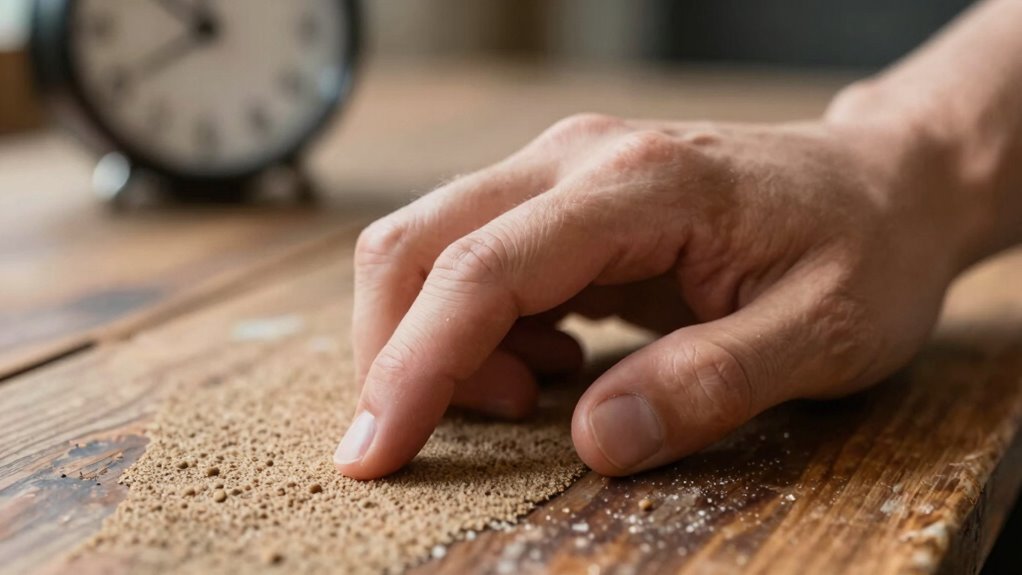

To use friction to break bad habits, start by identifying triggers that prompt your unwanted behaviors. Make them more difficult by removing environmental cues or creating obstacles, such as placing tempting items out of reach or using apps to block access. When faced with urges, pause and consider the extra effort needed to act, increasing mental resistance. Incorporating small environmental changes makes habits less automatic, and doing so can be more effective over time—learn how these strategies can work even better.

Get the little things that make your day delivered free — and shop member deals
- Fast, free delivery on millions of items
- Access to Prime Big Deal Days deals on October 6–7
- Prime Video, Amazon Music and more included
Key Takeaways
- Introduce effortful steps or barriers to make the habit less automatic and more deliberate.
- Remove or alter environmental triggers that prompt the bad habit.
- Use timers or apps to create friction and delay immediate responses.
- Replace triggers with healthier alternatives that require more effort to access.
- Develop mental resistance by pausing and assessing urges before acting.
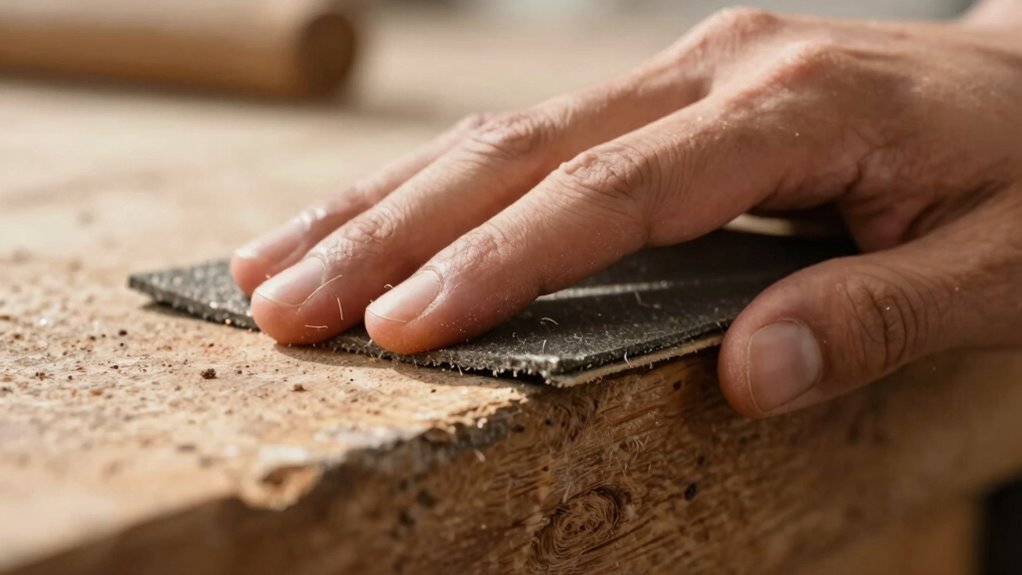
Breaking bad habits can feel like an uphill battle, but intentionally adding friction can make the process easier. One effective way to do this is through habit reversal, which involves recognizing triggers and replacing bad behaviors with healthier alternatives. To succeed, you need to make the habit less automatic and more deliberate. This is where environmental cues come into play. By changing your surroundings, you can create natural barriers that interrupt your usual response, making it harder to slip into old patterns.
Start by identifying the environmental cues that prompt your bad habits. For example, if you tend to snack mindlessly while watching TV, remove the snacks from your living room or replace them with healthier options. If you find yourself checking your phone impulsively in the morning, place it in another room or turn off notifications. These small changes create friction by disrupting the usual context that triggers your behavior. When the cues are less accessible or less appealing, your brain is forced to work harder to engage in that habit, giving you a moment to pause and choose differently. Recognizing the role of habit triggers in your behavior can help you design more effective strategies for change.
Remove triggers like snacks or phone notifications to create friction and encourage healthier habits.
Habit reversal isn’t just about avoiding triggers; it’s about actively replacing the habit with a more constructive one. When you notice the environmental cues that lead to your bad habits, intentionally introduce friction into the process. For instance, if you tend to binge social media, set a timer that makes it inconvenient to keep scrolling after a certain point, or use apps that block access during specific times. Making the habit more effortful decreases the likelihood of automatic responses. Over time, this friction weakens the habit’s grip and helps you develop healthier routines. Recognizing the importance of behavior change techniques can further enhance your ability to implement these strategies effectively.
Creating friction also involves changing your mindset. When you feel the urge to indulge in a bad habit, pause and ask yourself if you’re willing to endure the extra effort needed to follow through. This mental step adds a layer of resistance that can be enough to derail the habit. The idea is to make the behavior less appealing and more trouble to execute. The more friction you introduce, the less frictionless the habit becomes, leading to a natural decline in its frequency. Incorporating environmental modifications can be a powerful way to support your efforts and make lasting change easier.
As an affiliate, we earn on qualifying purchases.
Frequently Asked Questions
Can Friction Be Effective for All Types of Habits?
Friction isn’t effective for all habits because some behaviors are deeply ingrained, especially those driven by habit psychology. While it can work well for impulsive or less ingrained habits, complex or emotional habits might resist friction-based approaches. You’ll find friction most useful for behavioral change when combined with other strategies, like understanding triggers and reinforcing positive habits. Recognize which habits are receptive to friction and tailor your approach accordingly.
How Long Does It Typically Take to Break a Habit Using Friction?
It usually takes about three to four weeks to break a habit using friction, but it varies with habit duration and individual effort. For example, if you want to cut back on social media, adding a friction step like uninstalling the app may help you stop in just a month. The longer the habit duration, the more consistent friction is needed. Still, with persistence, friction can be highly effective.
Are There Risks Associated With Intentionally Adding Friction?
Yes, intentionally adding friction can pose risks. You might experience increased psychological discomfort, which could lead to frustration or discouragement, making habit resistance harder rather than easier. If the friction feels too intense or persistent, it might backfire, causing you to abandon your efforts altogether. To avoid this, gradually introduce friction, ensuring it’s manageable and doesn’t create overwhelming psychological discomfort that could derail your habit-breaking process.
How Do I Measure the Success of Using Friction?
Research shows that behavior tracking can boost success by 80%. To measure friction’s effectiveness, monitor your habits over time, noting decreases in unwanted behaviors. Use motivational triggers to reinforce progress and stay aware of any changes. Regularly assess whether friction is making habits more difficult and if you’re resisting or slipping back. Tracking these patterns helps you evaluate whether the friction tactic is helping you break bad habits effectively.
Can Friction Be Combined With Other Habit-Breaking Techniques?
Yes, you can combine friction with other habit-breaking techniques. By adding friction to your routine, you increase behavioral resistance, making bad habits less appealing. Pair it with strategies like replacing old habits or setting clear goals for better results. This combination strengthens your ability to disrupt habit formation, as the added resistance discourages unwanted behaviors while other methods reinforce positive change. Together, they create a powerful, multi-layered approach to breaking habits.
As an affiliate, we earn on qualifying purchases.
Conclusion
By intentionally adding friction to your bad habits, you’re creating obstacles that make slipping into old patterns less appealing. Think of it as placing a boulder in your path—suddenly, the smooth road becomes a challenge worth avoiding. With each deliberate effort, you’re reshaping your habits like a sculptor chiseling away at stone. Over time, these small barriers will help you break free, guiding you toward a healthier, more intentional life—one deliberate step at a time.
environmental trigger removal tools
As an affiliate, we earn on qualifying purchases.
As an affiliate, we earn on qualifying purchases.
mental resistance training tools
As an affiliate, we earn on qualifying purchases.
As an affiliate, we earn on qualifying purchases.
NFL season / tailgating Picks
team gear
As an affiliate, we earn on qualifying purchases.