By visualizing worst-case scenarios, you mentally prepare yourself to stay calm and focused during emergencies. This technique helps you confront fears in a safe setting, reducing anxiety and building resilience. Repeatedly imagining different crises sharpens your ability to respond confidently and rationally when real chaos strikes. Developing this mental blueprint makes you more emotionally fortified and in control. Keep exploring how these practices can strengthen your crisis response skills and boost your confidence.

Get the little things that make your day delivered free — and shop member deals
- Fast, free delivery on millions of items
- Access to Prime Big Deal Days deals on October 6–7
- Prime Video, Amazon Music and more included
Key Takeaways
- Visualizing worst-case scenarios mentally prepares individuals to manage emotional reactions during actual crises.
- Repeated scenario visualization enhances emotional resilience and reduces panic when facing emergencies.
- Mental rehearsal identifies gaps in emergency plans, improving overall preparedness and confidence.
- Confronting fears in a safe setting transforms anxiety into proactive readiness and calmness.
- Regular practice of crisis visualization strengthens decision-making skills under high-stress conditions.
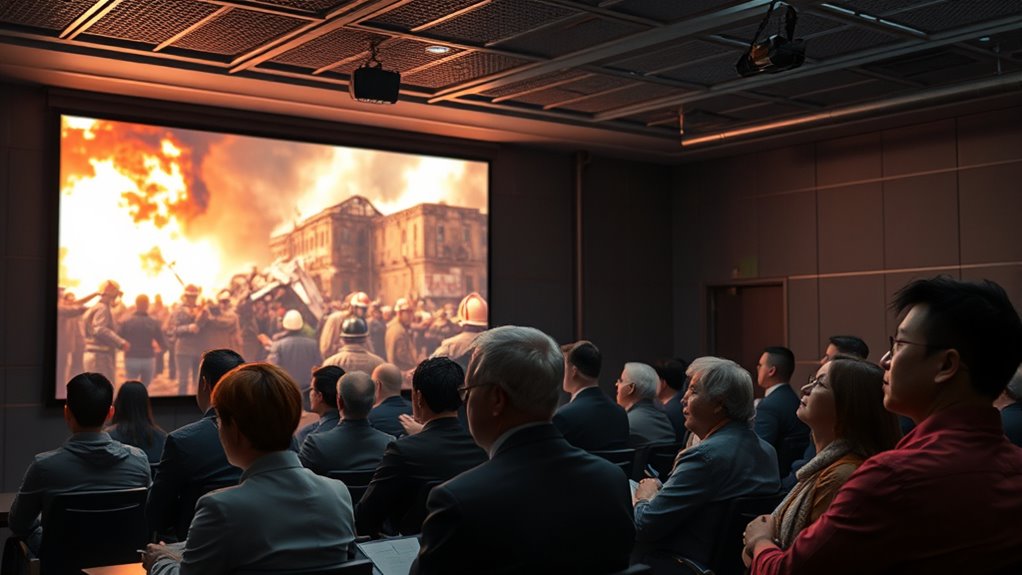
Have you ever wondered how organizations prepare for unexpected emergencies? One powerful technique they use is crisis rehearsal, which often involves scenario visualization. This practice isn’t just about planning logistics; it’s about mentally and emotionally preparing for the worst. When you visualize scenarios, you create a mental blueprint of what could go wrong, helping you recognize potential challenges before they happen. This mental exercise enhances emotional preparedness, making you less likely to panic when faced with real crises. By imagining worst-case situations, you develop a clearer understanding of how you might respond, which builds confidence and reduces fear.
Scenario visualization isn’t just about imagining chaos; it’s a structured process. You start by picturing specific emergency situations in vivid detail—what you see, hear, and feel. This mental rehearsal allows you to confront your emotional reactions and understand how you might feel during a real crisis. Over time, this reduces anxiety because you’ve already “experienced” the scenario in your mind. The key is to simulate different circumstances, from natural disasters to cybersecurity breaches, so you’re prepared for a wide range of possibilities. When you repeatedly visualize these scenarios, you train your brain to stay calm and focused, even under pressure.
Visualize emergency scenarios vividly to build calm focus and emotional resilience under pressure.
This process also helps you identify gaps in your current plans. As you visualize different scenarios, you might realize there are steps or resources you hadn’t considered. This insight prompts you to refine your emergency protocols, making your response more effective. Furthermore, scenario visualization aids in emotional preparedness by allowing you to confront difficult feelings associated with emergencies—fear, frustration, uncertainty—in a safe environment. By doing so, you diminish their power over you when real situations occur. You learn to manage your emotions better, which is vital in high-stress moments.
Practicing scenario visualization regularly can also foster a sense of control. When emergencies strike, it’s natural to feel overwhelmed. But if you’ve practiced mentally rehearsing responses, you’re more likely to act decisively. This mental preparation becomes a form of resilience, helping you stay composed and make rational decisions. Ultimately, crisis rehearsal through scenario visualization isn’t just about imagining disaster; it’s about building mental and emotional fortitude. It prepares you to face uncertainty with calm confidence, knowing you’ve already rehearsed how to respond effectively. This proactive approach turns fear into readiness, empowering you to handle emergencies with clarity and resilience. High-quality mental exercise reinforces your preparedness, making your crisis response more effective.
emergency scenario visualization guide
As an affiliate, we earn on qualifying purchases.
As an affiliate, we earn on qualifying purchases.
Frequently Asked Questions
How Often Should Crisis Rehearsals Be Conducted?
You should conduct crisis rehearsals regularly to maintain team engagement and guarantee everyone’s prepared. The ideal rehearsal frequency depends on your organization’s needs, but aiming for quarterly or biannual sessions helps keep skills sharp. Regular practice builds confidence, reduces panic during actual emergencies, and keeps your team engaged. Consistent rehearsals also allow you to identify gaps and improve your response plan, making your crisis preparedness more effective over time.
What Tools Are Best for Visualizing Scenarios?
You want to visualize scenarios effectively, so start with scenario mapping to sketch out potential problems clearly. Use mental imagery techniques to vividly picture each situation, engaging your mind fully. These tools transform abstract fears into concrete concepts, helping you build calm and confidence. By practicing scenario mapping and mental imagery regularly, you’ll strengthen your ability to stay composed and prepared, even in the face of the worst-case scenarios.
Can Crisis Rehearsal Reduce Long-Term Stress?
Crisis rehearsal can definitely help reduce long-term stress by boosting your mental resilience and emotional preparedness. When you regularly practice visualizing worst-case scenarios, you become more confident in handling real emergencies. This proactive approach helps you stay calm under pressure, minimizing anxiety over time. By strengthening your mental resilience, crisis rehearsal guarantees you’re better equipped emotionally, making future stressful situations feel more manageable and less overwhelming.
How to Involve Team Members Effectively?
Imagine your team as a crew of explorers steering uncharted waters. To involve them effectively, foster active team engagement by encouraging open dialogue and shared responsibility. Use scenario diversity in rehearsals to keep everyone alert and adaptable. You can assign roles, simulate different crises, and invite input, making rehearsals immersive. This approach boosts confidence, strengthens teamwork, and guarantees each member feels essential in steering through any storm together.
Are Virtual Rehearsals as Effective as In-Person Ones?
Virtual rehearsals can be just as effective as in-person ones if you use virtual reality and detailed scenario scripting. You get immersive experiences that help you visualize worst-case scenarios, building calm and confidence. You can engage your team remotely, practicing responses in realistic settings. While in-person offers physical cues, virtual reality allows for flexible, scalable training, making your crisis preparedness more accessible and consistent across your team.
stress relief visualization tools
As an affiliate, we earn on qualifying purchases.
As an affiliate, we earn on qualifying purchases.
Conclusion
Remember, forewarned is forearmed. By practicing crisis rehearsals and visualizing worst-case scenarios, you prepare yourself to stay calm and act effectively when real challenges strike. These mental drills build confidence and resilience, turning fear into focus. Embrace this proactive approach; it’s better to have a plan and hope for the best than be caught off guard. As the saying goes, “A stitch in time saves nine”—preparation now can save you from chaos later.
As an affiliate, we earn on qualifying purchases.
As an affiliate, we earn on qualifying purchases.
Fall Picks
fall essentials
As an affiliate, we earn on qualifying purchases.