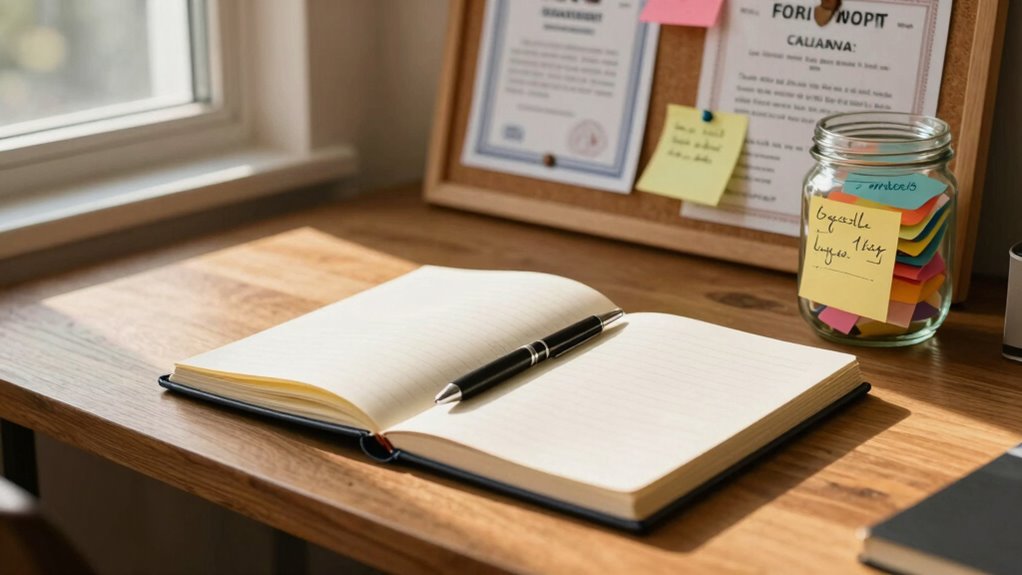

The best way to build confidence is to keep clear evidence of your achievements. When you track your successes, you reinforce trust in your abilities and create a tangible record of progress. Regularly reflecting on your accomplishments helps you recognize growth and lessons learned. This steady collection of proof boosts your self-belief and motivation. If you want to discover more about how evidence can transform your confidence, keep exploring these effective strategies.

Get the little things that make your day delivered free with Prime
- Fast, free delivery on millions of items
- Prime Video, Amazon Music and more included
- Member-only deals all year
Key Takeaways
- Regularly document achievements to create tangible proof of progress and build trust in your abilities.
- Reflect on recorded successes to recognize patterns of growth and reinforce confidence.
- Set clear, measurable goals and track progress to maintain motivation and demonstrate development.
- Use evidence of accomplishments to shift mindset from doubt to belief in your skills.
- Establish a consistent system for tracking and reviewing progress to sustain confidence over time.
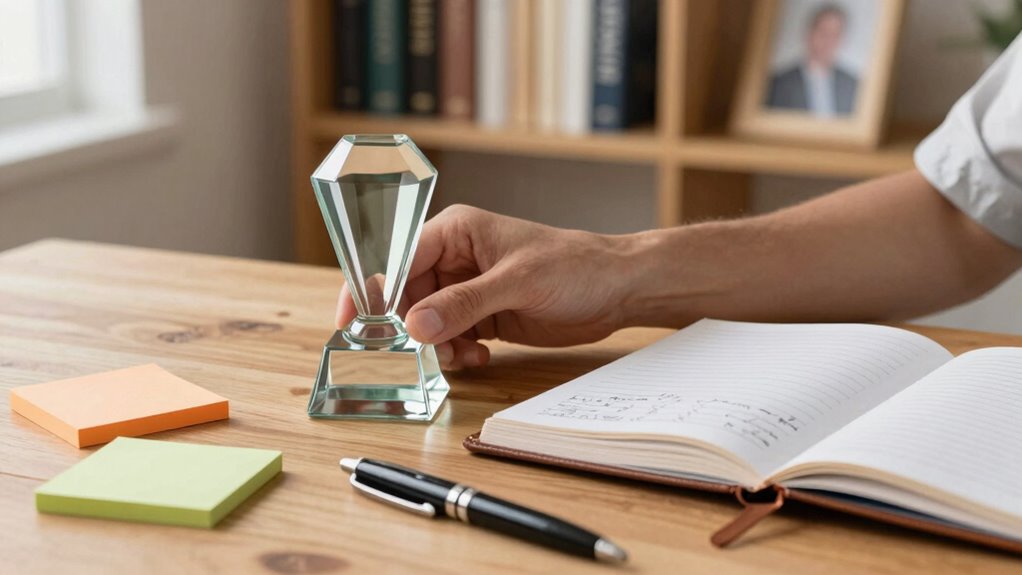
Building confidence isn’t just about positive thinking; it’s about having proof of your accomplishments. When you can look back at what you’ve achieved, it becomes much easier to trust in your abilities. Self reflection plays a crucial role here, allowing you to recognize your progress and understand how far you’ve come. Instead of relying solely on hope or wishful thinking, you gather tangible evidence that demonstrates your growth. This evidence creates a solid foundation that reinforces your confidence each time you review it.
Confidence grows through real evidence of achievement, not just positive thinking or hope.
To make this work, goal setting becomes essential. When you set clear, achievable goals, you give yourself concrete targets to hit. As you work toward these goals, document your steps and successes along the way. Whether it’s completing a project, mastering a new skill, or overcoming a challenge, keeping records of these moments proves your capability. Over time, these records form a trail of evidence that shows your persistence and competence. This process shifts your mindset from doubting your potential to confidently trusting your skills because you see real results.
Additionally, record keeping helps you build a reliable source of evidence that can be reviewed anytime to boost your confidence. Self reflection helps you identify patterns in your achievements. It prompts you to ask questions like, “What did I do well?” and “What can I improve next time?” When you regularly reflect on your experiences and update your progress, you’re actively building a library of evidence that supports your self-belief. This isn’t about dwelling on failures but rather recognizing lessons learned and improvements made. When setbacks happen, you can look back at previous successes to remind yourself that challenges are part of growth, not a sign of inadequacy. Incorporating tangible evidence into your routine makes your confidence resilient. Each accomplishment, big or small, adds to your sense of self-efficacy. You begin to trust your judgment and abilities because you’ve seen firsthand what you can accomplish. As you continue setting goals and reflecting on your journey, your confidence becomes less fragile and more rooted in reality. Recognizing the importance of self-reflection helps you sustain motivation and build resilience over time. Developing a consistent tracking system further ensures you maintain a clear view of your progress and achievements, strengthening your belief in your capabilities. Regularly reviewing your progress also helps you develop a deeper understanding of your growth patterns, which can motivate you to keep pushing forward. Over time, this approach transforms your mindset from one of doubt to one of strong belief in your potential.
Frequently Asked Questions
How Often Should I Review My Evidence to Boost Confidence?
You should review your evidence regularly—ideally, weekly or biweekly—to boost confidence through consistent memory recall. This frequency helps reinforce positive experiences and provides ongoing emotional validation. By consistently revisiting your evidence, you strengthen your belief in yourself and maintain motivation. Regular reviews make it easier to remember successes and validate your feelings, ultimately building a stronger, more resilient confidence that endures over time.
What Types of Evidence Are Most Effective for Building Confidence?
The most effective evidence to build confidence includes positive reinforcement and tangible achievements. When you track successes, it helps combat self-doubt by reminding you of your capabilities. Keep records of compliments, completed projects, or skill improvements. These tangible pieces of evidence reinforce your strengths and boost your self-esteem, making it easier to face challenges with confidence. Regularly reviewing this evidence helps you internalize your progress and maintain a positive mindset.
Can Evidence Help Improve Confidence in Personal Relationships?
Yes, evidence can boost your confidence in personal relationships through trust building and emotional validation. When you gather positive experiences, like honest conversations or moments of support, it reinforces trust and shows your partner you’re dependable. Sharing this evidence helps both of you feel understood and validated emotionally, strengthening your bond. Over time, these tangible proofs of connection increase your confidence in the relationship’s stability and your role within it.
How Do I Stay Motivated to Keep Evidence Consistently?
Research shows only 8% of people stick to new habits long-term, so staying motivated takes effort. To keep evidence consistently, focus on mindset shifts that emphasize progress, not perfection. Find accountability partners who encourage you and celebrate small wins. Regularly remind yourself of your goals and the positive impact tracking has on your confidence. This approach keeps you engaged, motivated, and committed to building a stronger belief in yourself.
What Are Common Mistakes When Collecting Evidence for Confidence?
You often make mistakes by relying solely on memory recall, which can lead to overlooking important evidence. Emotional triggers may cause you to dismiss or forget valuable data, undermining your confidence. To avoid these errors, actively record your evidence and review it regularly. Stay aware of emotional influences that might skew your judgment. By doing so, you guarantee your evidence remains accurate and consistent, strengthening your confidence over time.
Conclusion
Remember, like Icarus who soared on wax wings, your confidence soars when you keep evidence of your successes. Each achievement, no matter how small, is like a star guiding your way. Trust in this process, and you’ll build a sturdy bridge over doubt and fear. Keep collecting proof of your growth, and soon you’ll realize you’re unstoppable—just as legends remember their victories. Your journey to confidence starts with what you hold onto.
Fall Picks
fall essentials
As an affiliate, we earn on qualifying purchases.