
When you see SSD speeds, ‘read’ and ‘write’ numbers tell you how quickly data moves from the drive to your system and back. ‘Sequential’ speeds show large file transfers, while ‘random’ speeds impact everyday tasks like opening apps or files. Higher numbers mean faster performance, but they don’t tell the whole story—other factors matter. Keep going to learn how these figures really affect your device’s speed and your experience.
Key Takeaways
- Read/write speeds indicate how fast data is transferred between the SSD and your system, measured in MB/s or IOPS.
- Sequential speeds reflect large file transfers, while random speeds impact everyday tasks like launching applications.
- Higher numbers generally mean better performance, but real-world results depend on workload and system configuration.
- Understanding the difference between read and write speeds helps in choosing an SSD suited for specific needs.
- Benchmarking standards ensure speed numbers are consistent, comparable, and meaningful across different SSD models.
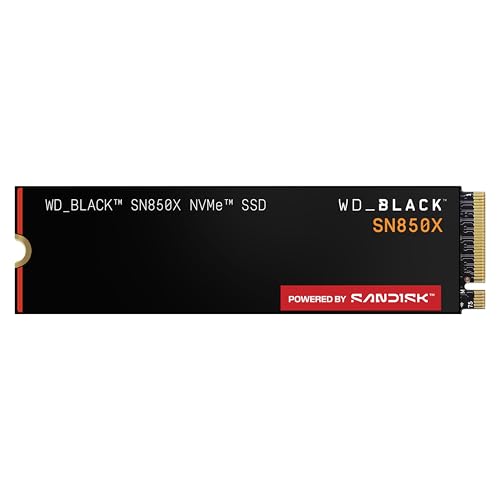
WD_BLACK SN850X 1TB NVMe SSD – M.2 2280, Up to 7,300 MB/s Read speeds, Up to 6,300 MB/s write speeds, Gaming Expansion, High Performance Internal Solid State Drive – WDS100T2X0E
TRANFORM YOUR PC: Insane speeds up to 7,300MB/s (1TB – 4TB models) deliver top-tier performance with ridiculously short…
As an affiliate, we earn on qualifying purchases.
As an affiliate, we earn on qualifying purchases.
What Do SSD Read and Write Speeds Really Mean?
Have you ever wondered what SSD read and write speeds actually tell you about performance? These numbers show how quickly data moves between your storage device and your system. But to understand their true meaning, you need to know the difference between sequential and random speeds. Sequential speeds measure how fast large files transfer in order, like copying a movie. Random speeds show how quickly your SSD can access small bits of data scattered across the drive, which affects everyday tasks like opening applications. Additionally, consider read/write cycle endurance, which indicates how many times data can be written to the drive before it starts to degrade. Faster speeds don’t necessarily mean better durability, so balance your performance needs with the drive’s endurance. Understanding performance metrics can help you choose the right SSD for your specific needs. Recognizing the impact of both sequential and random speeds on real-world use can lead to more informed purchasing decisions. Moreover, being aware of drive endurance can ensure your storage solution remains reliable over time.

MOVE SPEED 1TB USB Drives, ThumbDrive with Dual Ports & Push-Pull Design — 560MB/s Read Speed, Type C + USB 3.2 Drive Portable ssd for iPhone 15/16/17/Android/Mac
【Dual-Port Beast Mode】MOVE SPEED SP05 Solid State Drives slays with push-pull USB3.2 + Type-C ports—plug either side, no…
As an affiliate, we earn on qualifying purchases.
As an affiliate, we earn on qualifying purchases.
How Do Manufacturers Measure and Report SSD Speeds?

Manufacturers use specific measurement techniques to determine SSD speeds, often running standardized tests to guarantee consistency. They apply benchmarking standards like ATTO or CrystalDiskMark to evaluate performance, providing comparable results across products. These speeds are then reported using common units such as MB/s or IOPS, making it easier for you to understand and compare different SSDs.
Measurement Techniques Used
To understand how SSD speeds are reported, it’s important to recognize that manufacturers use specific benchmarking tools and standardized testing conditions. These tools, like CrystalDiskMark or AS SSD Benchmark, help guarantee benchmarking accuracy by providing consistent measurement methods. Manufacturers follow measurement standards that specify test file sizes, queue depths, and data patterns, minimizing variability across tests. They often run multiple tests to average out fluctuations, aiming for reliable results. By adhering to these measurement standards, manufacturers can accurately compare SSD performance and present transparent figures. Keep in mind, though, that real-world speeds may vary due to system configuration, workload, and other factors not captured in controlled testing environments.
Benchmarking Standards Applied
Benchmarking standards guarantee that SSD performance figures are consistent, comparable, and meaningful. Manufacturers follow specific benchmarking standards to measure and report performance metrics accurately, ensuring you can trust the numbers. These standards specify testing conditions, data patterns, and durations, creating a fair comparison across brands. Here’s a look at how these standards impact your choice:
| Standard | Focus | Impact |
|---|---|---|
| SATA/PCIe protocols | Data transfer consistency | Real-world relevance |
| Data patterns | Read/write scenarios | Accuracy of speeds |
| Testing durations | Short vs. long tests | Overall performance view |
Reporting Formats and Units
When it comes to reporting SSD speeds, clarity depends on the units and formats used by manufacturers. You’ll notice performance metrics expressed in different ways, often leading to confusion. Manufacturers typically use these formats:
- Sequential speeds in MB/s or GB/s, showing how fast data moves in large, continuous blocks.
- Random read/write speeds measured in IOPS (Input/Output Operations Per Second), reflecting how well your SSD handles small, scattered data requests.
- Benchmarking methodologies that combine these metrics into overall performance scores, which can vary between brands.
Understanding these formats helps you interpret benchmarking results accurately. Manufacturers often emphasize peak numbers, but real-world performance depends on how these metrics align with your usage patterns. Recognizing the significance of performance metrics can aid in making informed purchasing decisions.
SSD benchmarking tools
As an affiliate, we earn on qualifying purchases.
As an affiliate, we earn on qualifying purchases.
Why Your SSD Speed Matters Every Day

Fast SSD speeds mean your computer boots up quickly, so you’re ready to work without delay. They also make everyday tasks, like opening files and running applications, smoother and more responsive. Ultimately, a faster SSD helps you stay productive and avoid frustration every day. Understanding future economies can influence how technology like SSDs evolves to meet changing societal needs. Additionally, as data storage demands grow, investing in high-speed SSDs can improve overall system efficiency and support emerging technologies. Moreover, faster SSDs are essential for handling data-intensive applications, ensuring seamless performance as data demands increase and performance optimization becomes more critical. Recognizing technological advancements can help you choose the right SSD for your evolving requirements.
Faster Boot Times
A faster SSD can substantially cut down your computer’s boot time, so you spend less time waiting and more time being productive. This speed boost comes from improved sequential performance and quick random access, which allow your system to load essential files faster. When your SSD excels in these areas, your operating system starts up almost instantly. To understand the impact:
- Your OS loads in seconds instead of minutes.
- Programs open immediately, reducing delays.
- Overall responsiveness becomes sharper, making daily use smoother.
- Battery capacity and power efficiency also influence how well your SSD performs in portable devices.
Additionally, luxury materials used in high-end SSDs can enhance durability and aesthetic appeal, contributing to a more premium user experience. With a high-performance SSD, your computer can swiftly access data from storage, minimizing delays during startup. This means less frustration and more efficiency every day, proving that SSD speed really does make a difference in everyday tasks.
Improved Productivity
Because your SSD’s speed directly affects how quickly you can access and save files, it plays a crucial role in daily productivity. Faster read and write speeds mean less waiting when opening documents, transferring data, or running applications. This efficiency allows you to complete tasks more quickly and stay focused. Additionally, modern SSDs often support data encryption, providing security without sacrificing speed, so your sensitive information stays protected seamlessly. Lower power consumption also benefits your device’s battery life, especially important if you’re on the go. With a speedy SSD, you spend less time waiting and more time working, boosting your overall productivity. Upgrading to a faster SSD ensures your daily workflow remains smooth, secure, and energy-efficient. Understanding SSD speeds can help you make better choices when upgrading your storage solutions, especially when considering performance benchmarks and compatibility.

Gigastone 【NAS Certified】 1TB High Endurance SSD (2-Pack) Up to 550MB/s TLC Flash with SLC Caching 24/7 Reliable for Gaming/PC/NAS SSD 5-Year Warranty 2.5" SATA Internal Solid State Drives RAID Disk
[High Endurance Grade] : No.1 NAS SSD choice in heavy workloads NAS systems|24/7 superior NAS Cache with reliable…
As an affiliate, we earn on qualifying purchases.
As an affiliate, we earn on qualifying purchases.
How SSD Speed Affects Gaming, Boot Times, and File Transfers
The speed of your SSD directly impacts how quickly your games load, how fast your system boots up, and how efficiently files transfer. Faster read/write speeds mean less waiting and more productivity. For example:
- Gaming: Quicker load times let you jump into your favorite games faster, improving your experience. Additionally, high SSD speeds can prevent lag during gameplay, especially in open-world or resource-intensive titles.
- Boot Times: An SSD with higher speeds can boot your system in seconds, saving you time each day. Improved performance is achieved through faster data access.
- File Transfers: Large files move swiftly, reducing downtime during backups or data sharing. Optimized transfer speeds can also enhance workflow efficiency.
- Performance Consistency: Maintaining high SSD speeds ensures smooth operation during intensive tasks, preventing lag or slowdowns. Consistent performance is crucial for professional applications like video editing or 3D rendering.
Additionally, understanding read/write numbers can help you select an SSD that best fits your needs, ensuring optimal performance for your specific tasks. Knowing how these speed metrics are measured can also assist in comparing different drives accurately.
What Factors Influence How Fast Your SSD Is?
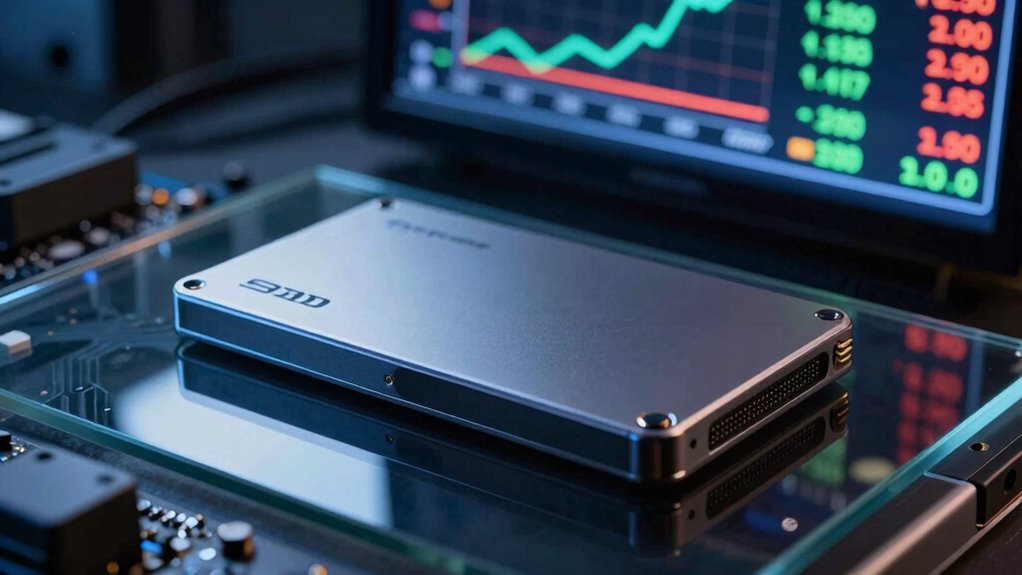
Several key factors directly impact how fast your SSD performs, from the type of NAND flash memory used to the controller managing data flow. The NAND flash types—such as SLC, MLC, TLC, and QLC—affect speed and durability, with SLC offering the fastest performance but higher cost. Meanwhile, the controller limitations play a fundamental role in data handling efficiency; a high-quality controller can optimize read/write processes and reduce bottlenecks. The controller manages data transfer between the NAND chips and your system, so its capabilities directly influence overall speed. NAND flash types and controller limitations are primary determinants of your SSD’s maximum speed. Understanding these elements helps you gauge what’s truly affecting your drive’s performance, including how controller architecture can enhance or hinder data transfer rates. Additionally, advancements in controller technology continue to push SSD performance boundaries, making it crucial to consider when selecting a new drive. Furthermore, firmware updates can sometimes improve controller efficiency and overall speed, emphasizing the importance of keeping your SSD’s software current.
How to Choose the Right SSD Speed for Your Use Case
Choosing the right SSD speed depends largely on how you plan to use your computer. To select the best option, consider these factors:
- Storage capacity: Larger files and frequent data transfers benefit from faster read/write speeds to avoid bottlenecks.
- Interface compatibility: Ensure your motherboard supports the SSD’s interface (e.g., SATA or NVMe) for peak performance.
- Use case: For everyday tasks like browsing or office work, moderate speeds suffice. Creative professionals or gamers should prioritize higher speeds for quicker load times and file transfers.
Matching these factors helps you avoid overpaying for unnecessary speed or facing slowdowns during intensive tasks. Focus on what aligns with your storage needs and your device’s interface, and you’ll pick an SSD that delivers the right performance.
Common Myths About SSD Speed Numbers Debunked
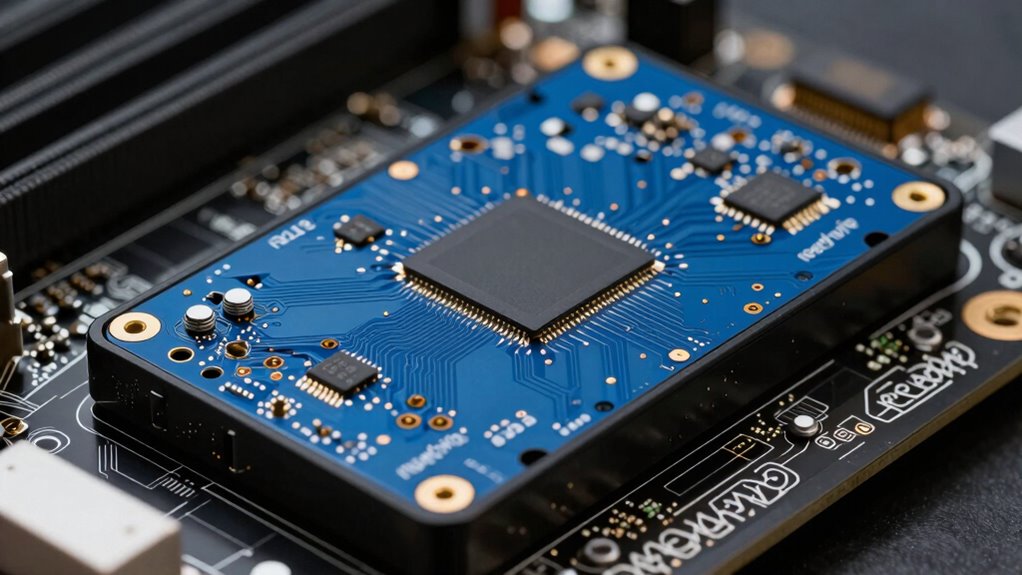
Many people assume that higher SSD speed numbers automatically mean better performance across all tasks, but that’s a misconception. While high sequential performance is impressive, it doesn’t tell the whole story. Random access speeds are just as important, especially for tasks like OS operations and multitasking. An SSD with blazing sequential read/write rates might struggle with small, random data requests, leading to lag. Conversely, a drive optimized for quick random access can improve everyday responsiveness, even if its sequential numbers are lower. Don’t fall for the myth that speed numbers alone define overall performance. Instead, consider how the drive handles both sequential tasks and random access — this combo more accurately predicts real-world performance.
Frequently Asked Questions
How Do SSD Speeds Compare to Traditional HDDS?
You’ll find SSD speeds far surpass traditional HDDs, which rely on magnetic storage and spinning disks. Unlike HDDs, SSDs have no moving parts, so they’re less affected by data fragmentation, allowing for quicker data access. This means faster boot times, smoother multitasking, and quicker file transfers. If speed is your priority, switching from HDD to SSD makes a noticeable difference in overall performance, especially for demanding applications.
Can SSD Speeds Improve With Software Updates?
Did you know SSD speeds can improve with software updates? Firmware optimization often boosts performance by fixing bugs and enhancing data management, while power management updates reduce thermal throttling and sustain high speeds longer. Keeping your SSD’s firmware current guarantees you get the most out of your drive, with faster read/write speeds and improved reliability. Regular updates are a simple way to maximize your SSD’s potential.
What Are Sequential vs. Random Read/Write Speeds?
Sequential read/write speeds measure how fast your SSD transfers large blocks of data, ideal for tasks like copying files. Random speeds, on the other hand, reflect how quickly your SSD accesses small data chunks scattered across the drive, affecting everyday tasks and multitasking. These speeds depend on data transfer protocols and NAND flash types, which influence overall performance. Understanding both helps you choose an SSD that suits your specific needs.
Do SSD Speeds Vary With Different File Sizes?
Sure, SSD speeds do vary with file size—ironic, right? You’d think they’d stay consistent, but larger files often slow things down, while tiny files can sometimes zip along faster. So, if you’re after steady performance, don’t expect a huge file to move at the same speed as a small one. It’s all about balancing your file sizes and understanding how performance can fluctuate with different file sizes.
How Does Temperature Affect SSD Performance?
You might notice that high ambient temperatures cause your SSD to slow down because of thermal throttling. When the temperature rises beyond safe limits, the drive automatically reduces its speed to prevent damage. To keep your SSD performing at its best, guarantee good airflow and avoid placing it in hot environments. Monitoring ambient temperature helps prevent thermal throttling, ensuring your SSD maintains consistent read and write speeds during intensive tasks.
Conclusion
Don’t let confusing read/write numbers fool you. The truth is, real-world performance depends on how you use your SSD and what factors influence speed. While higher numbers often sound better, they don’t always mean faster everyday tasks. By understanding what these speeds really mean, you can pick the right drive for your needs and avoid common myths. Remember, it’s not just about numbers — it’s about how your SSD performs in your daily life.