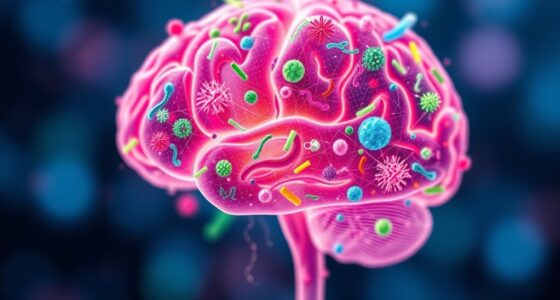

Your mental state directly affects your physical health through the mind-body connection. When you experience stress or negative emotions, your body responds with physical changes like increased blood pressure and reduced immunity. Conversely, practices like deep breathing, meditation, and staying positive can boost resilience and improve health. By understanding these interactions, you can take steps to strengthen both your mind and body — and there’s more to discover that can help you thrive.
Key Takeaways
- Mental states influence physical health by affecting immune function, blood pressure, and recovery ability.
- Chronic stress triggers physical responses that weaken the immune system and increase illness risk.
- Stress management techniques like meditation and exercise promote emotional resilience and physical well-being.
- Building emotional resilience reduces cortisol levels, decreasing inflammation and improving overall health.
- Strengthening mental and emotional skills creates a positive feedback loop that enhances physical health.
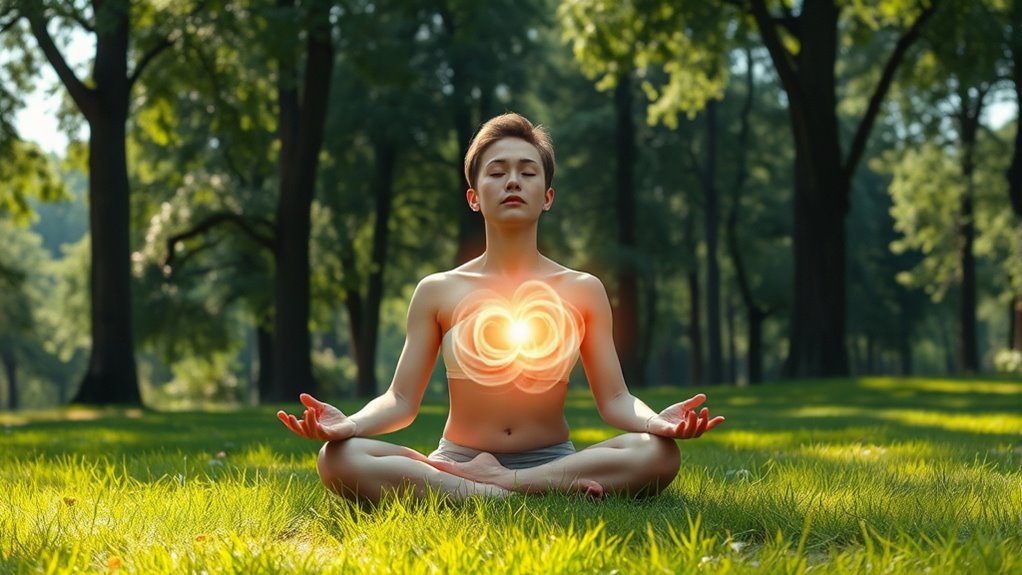
The mind-body connection is a powerful relationship that influences your overall health and well-being. When you understand how your mental state impacts your physical health, you can take proactive steps to improve both. One key element in this connection is stress management. Chronic stress doesn’t just weigh on your mind; it triggers a cascade of physical responses that can weaken your immune system, raise blood pressure, and increase the risk of illnesses. By managing stress effectively, you help your body stay balanced and resilient. Techniques like deep breathing, meditation, and regular exercise can help you calm your mind and reduce the harmful effects of stress. When you prioritize stress management, you’re actively supporting your physical health, making it easier for your body to recover from everyday pressures.
Managing stress supports your physical health and helps your body stay resilient and balanced.
Emotional resilience plays a fundamental role in how well your mind and body work together. When you’re emotionally resilient, you bounce back more quickly from setbacks, handle challenges with a clearer mind, and maintain a sense of stability even during tough times. This mental toughness has tangible physical benefits. For instance, resilient individuals often experience lower levels of cortisol, the stress hormone linked to inflammation and health issues. Building emotional resilience involves practices like cultivating a positive outlook, developing strong social connections, and practicing mindfulness. These habits help you stay centered, which in turn positively affects your physical health by reducing anxiety, improving sleep, and enhancing your immune function.
Recognizing the connection between emotional resilience and physical health empowers you to take control of your overall well-being. When you work on strengthening your mental and emotional skills, you’re not just improving your mood—you’re also promoting better physical health. This interconnectedness means that improving your mental health can lead to reductions in symptoms of chronic conditions like hypertension and depression. Conversely, neglecting your emotional resilience can leave you more vulnerable to illness and fatigue. You might find that stress becomes harder to manage, and physical ailments linger longer or worsen. Hence, fostering emotional resilience becomes an essential part of your health strategy, helping you navigate life’s challenges with greater ease and supporting your body’s ability to stay strong and healthy.
In essence, your mental state and physical health are intertwined in a cycle of influence. By actively practicing stress management and building emotional resilience, you create a positive feedback loop that boosts your overall health. Taking care of your mind isn’t just about feeling good—it’s an indispensable part of maintaining a healthy, resilient body. Small daily efforts can lead to significant improvements, reinforcing that your mental and physical well-being are truly two sides of the same coin.
Frequently Asked Questions
Can Meditation Improve Physical Health Beyond Stress Reduction?
Yes, meditation can improve physical health beyond stress reduction. By practicing mindfulness and relaxation techniques regularly, you can lower blood pressure, boost your immune system, and reduce inflammation. Meditation helps you develop better breathing patterns and enhances sleep quality. Incorporating these mindfulness practices into your routine supports overall health, making your body more resilient and improving your physical wellbeing over time.
How Does Emotional Trauma Influence Chronic Illnesses?
Think of your body as a garden; emotional trauma is like invasive weeds choking healthy plants. When trauma persists, it weakens your emotional resilience, making chronic illnesses worse. Trauma therapy helps clear these weeds, restoring balance. You support your health by addressing trauma early, allowing your body to heal naturally. Ignoring unresolved emotional wounds can turn minor issues into persistent, harder-to-treat illnesses.
Are There Specific Exercises That Boost Mental Health?
You can boost your mental health through specific exercises like breathing techniques and aerobic activities. Breathing techniques help reduce stress and improve focus, while aerobic exercises like walking, running, or cycling release endorphins that lift your mood. Incorporate these into your routine regularly to experience better mental clarity, decreased anxiety, and overall emotional resilience. These activities strengthen your mind-body connection, making you feel more balanced and energized daily.
What Role Does Sleep Play in Mind-Body Health?
Imagine you’re a modern-day Leonardo da Vinci, exploring the depths of your mind. Sleep plays a crucial role in your mind-body health by reinforcing sleep hygiene, which helps you rest better. During REM cycles, dream analysis can reveal subconscious thoughts, promoting emotional clarity. Prioritizing quality sleep boosts your physical recovery, mental focus, and stress resilience, creating a harmonious connection between your mind and body that’s fundamental for overall well-being.
Can Positive Thinking Physically Heal the Body?
Yes, positive thinking can physically heal your body. It activates the placebo effect, which boosts your body’s healing processes, and promotes neuroplasticity, helping your brain rewire itself for better health. When you focus on optimism, you may reduce stress hormones and improve immune function, accelerating recovery. Your mindset truly influences your physical health by creating a more favorable environment for healing and resilience.
Conclusion
Remember, your mind and body are like two dancers in a delicate ballet, each movement influencing the other. When you nurture your mental health, your physical well-being follows gracefully, and vice versa. By paying attention to both, you create harmony within yourself—like a symphony where every note counts. So, take care of your thoughts and feelings as if they’re the guiding stars of your health journey, because together, they shape your overall well-being.