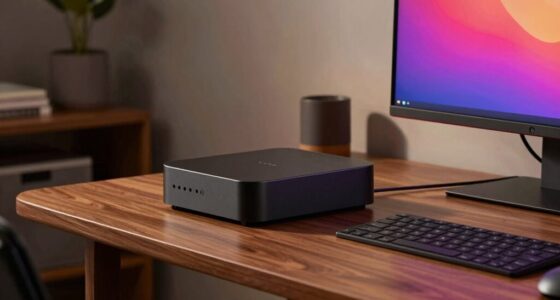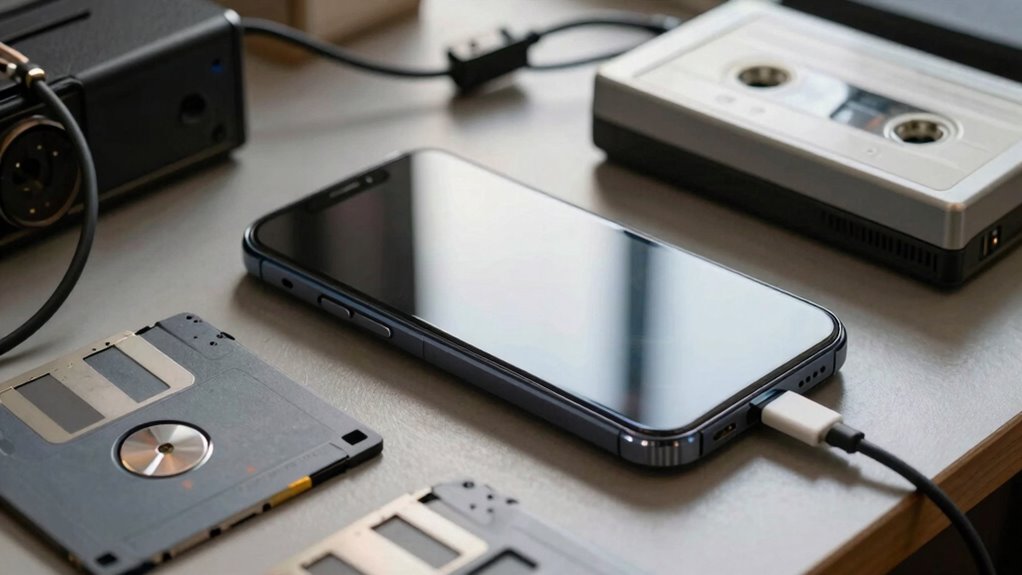

Focusing on buying “future-proof” devices often leads to frustration and wasted money because predicting future technological changes is impossible. You might overpay for features you don’t need or choose options that quickly become outdated. Instead, prioritize flexibility and upgradeability, which help your devices adapt over time. By choosing adaptable solutions, you reduce the risk of obsolescence and get more value. Keep exploring to discover smarter ways to stay current without chasing uncertain guarantees.
Prime for Young Adults — start your free trial
Fast free delivery, streaming and member deals for eligible 18–24 year olds.
As an affiliate, we earn on qualifying purchases.
Key Takeaways
- Future-proofing relies on uncertain predictions, often leading to unnecessary expenses and quick obsolescence.
- It can cause buyers to overpay for features that may never be used or become outdated quickly.
- Prioritizing adaptability and upgradeability ensures devices remain relevant and functional over time.
- Focusing on flexible solutions reduces risks and extends product lifespan amid technological changes.
- Emphasizing market trends and evolution promotes smarter, more sustainable purchasing decisions.
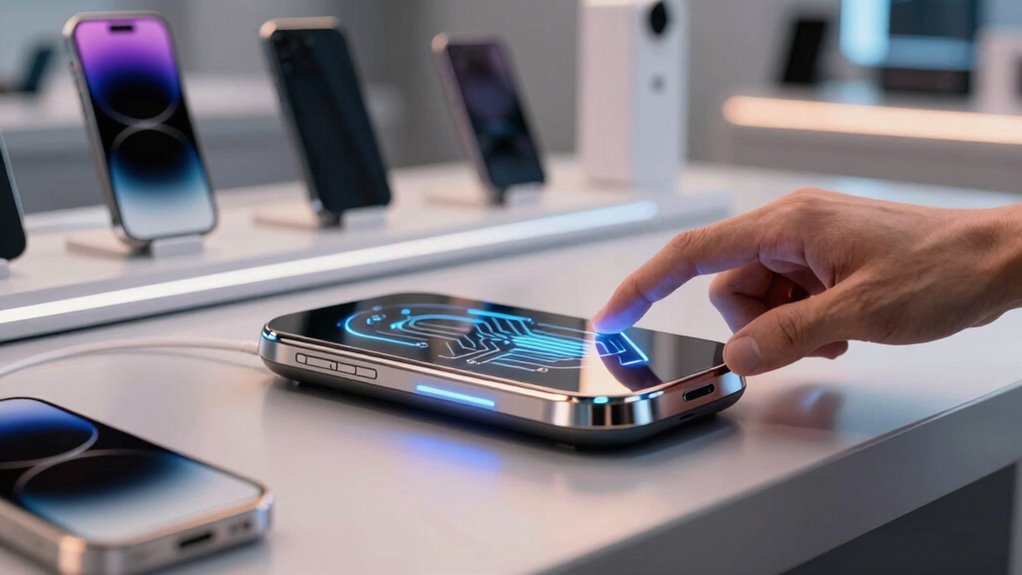
Are you thinking about making a purchase that will stand the test of time? If so, you’re probably aiming for a “future-proof” item—something that won’t become obsolete or require replacement anytime soon. While that might sound like a smart strategy, it often leads to frustration and wasted resources. The idea of future-proofing assumes you can predict the pace of technological change and future needs accurately, which is nearly impossible. Instead, focusing on adaptability and risk mitigation can serve you better. Technology evolves rapidly, and what seems advanced today may be outdated in just a few years. Trying to buy the most future-proof gadget often results in overpaying for features you don’t need or won’t use. Furthermore, the concept of future-proofing can cause you to overlook products that are flexible and easily upgradable, which are often more practical and cost-effective. Embracing technological change as a constant factor allows you to remain agile rather than fixed on an uncertain future.
Prioritize adaptability and upgrades over chasing the elusive goal of future-proofing.
When you prioritize adaptability, you’re better prepared for inevitable changes. Instead of investing heavily in a device or system that claims to be future-proof, look for options that allow easy technology adaptation. Can the product be upgraded with new software? Is it compatible with upcoming technologies? These questions help you select items that can evolve with your needs rather than lock you into a specific, potentially short-lived solution. Recognizing the importance of upgradeability can help you extend the lifespan of your devices and get more value from your investments. This approach minimizes risks associated with obsolescence and guarantees you’re not stuck with something outdated too soon. Recognizing that technological evolution is ongoing can help you make smarter, more sustainable choices that adapt over time. This strategy allows you to embrace change rather than fear it, ensuring your investments remain relevant. Additionally, understanding market trends can guide you in choosing solutions that are more likely to stay compatible with future innovations.
As an affiliate, we earn on qualifying purchases.
Frequently Asked Questions
How Do I Identify Truly Future-Proof Products?
To identify truly future-proof products, look for those with strong product longevity and adaptability. Check if they embrace ongoing innovation cycles, meaning they can evolve with new technologies or standards. Research the manufacturer’s track record for updates and support, and consider products designed with modular or upgradeable features. These indicators suggest the product can remain useful and relevant over time, avoiding obsolescence despite rapid technological changes.
What Are the Risks of Aiming for Future-Proof Purchases?
Aiming for future-proof purchases is like chasing a mirage—you risk obsolescence and compatibility issues. Your biggest risks include investing in tech that quickly becomes outdated, leaving you with unused features or incompatible systems. It’s a gamble where the promise of longevity might backfire, forcing costly upgrades. Instead, focus on adaptable, well-supported products that evolve with your needs, rather than chasing an elusive, perfect future-proof solution.
How Often Should I Upgrade Technology to Stay Current?
You should upgrade your technology roughly every 2-3 years to stay current. This balance helps you maintain good tech durability without overdoing upgrade frequency. Regular upgrades guarantee you access the latest features and security updates, while avoiding the pitfalls of constantly replacing devices. Pay attention to how well your current tech performs and consider upgrading when it starts to lag or no longer meets your needs efficiently.
Are Future-Proof Investments More Expensive Initially?
Future-proof investments tend to be more expensive upfront because they incorporate the latest innovation trends and advanced features. You should conduct a thorough cost analysis to weigh the higher initial cost against long-term benefits like durability and adaptability. While spending more now might seem risky, it can save you money over time by reducing the need for frequent upgrades, making your investment more sustainable and future-ready.
Can Aiming for Future-Proof Lead to Overpaying?
Yes, aiming for future-proof can lead you to overpay. You might prioritize brand reliability and the latest innovation cycles, which can inflate costs without guaranteeing long-term value. Companies often update products rapidly, making your investment obsolete sooner. Instead, focus on adaptable, reliable options that meet your current needs. This approach helps you avoid overspending on features that may quickly become outdated, saving you money long-term.
As an affiliate, we earn on qualifying purchases.
Conclusion
Chasing a “future-proof” purchase is like building a castle on shifting sands—you might think you’re securing your future, but you’re often just delaying the inevitable. Instead, focus on flexibility and adaptability; these are your true anchors in an ever-changing world. Remember, no gadget or gadgetry can guarantee forever. Embrace the journey of ongoing evolution, knowing that the only true security comes from your ability to adapt, not from chasing an impossible, static ideal.
As an affiliate, we earn on qualifying purchases.
As an affiliate, we earn on qualifying purchases.
Fall yard work Picks
leaf blowers
As an affiliate, we earn on qualifying purchases.