

To master your emotions, you need to develop emotional granularity by accurately naming and differentiating your feelings. Instead of vague terms like “bad” or “good,” use specific words to identify subtle emotions like frustration, anxiety, or resentment. This clarity improves your self-awareness and helps you choose better coping strategies. By understanding these nuances, you can respond more intentionally and build healthier relationships. Keep exploring to discover how honing your emotional vocabulary can transform your emotional life.

Get the little things that make your day delivered free — and shop member deals
- Fast, free delivery on millions of items
- Access to Prime Big Deal Days deals on October 6–7
- Prime Video, Amazon Music and more included
Key Takeaways
- Developing emotional granularity allows for precise identification of feelings, leading to better emotional regulation and coping strategies.
- Naming specific emotions clarifies internal experiences, reducing confusion and improving communication of needs and feelings.
- Differentiating subtle emotional shades enhances self-awareness and helps avoid automatic or impulsive reactions.
- Expanding emotional vocabulary fosters empathy and understanding of others’ nuanced feelings, strengthening interpersonal relationships.
- Mastering feeling differentiation promotes emotional balance and supports conscious, intentional responses to life’s challenges.
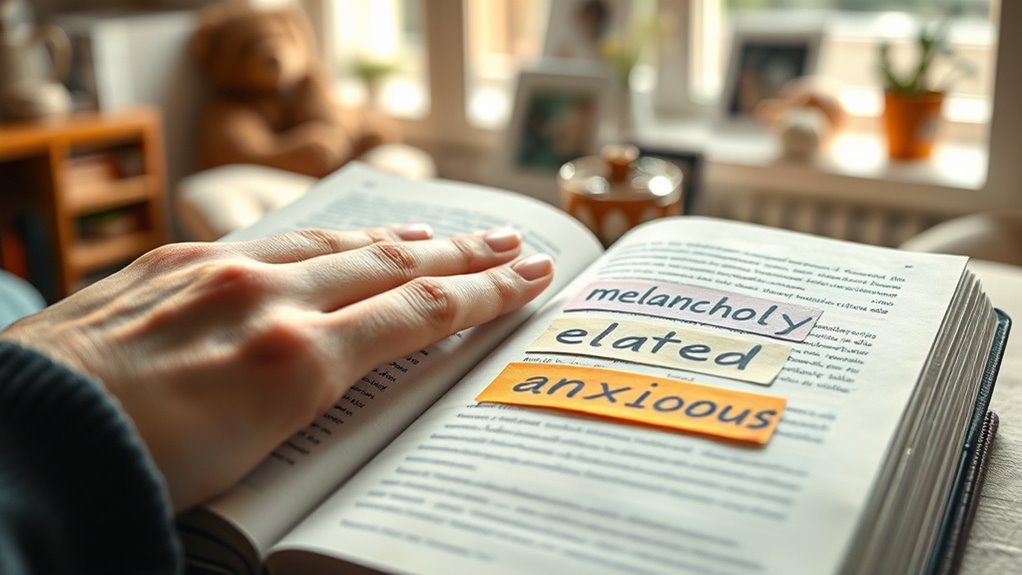
Have you ever wondered why some people can pinpoint their feelings precisely while others struggle to identify them at all? The difference often lies in their emotional vocabulary and their ability to practice feeling differentiation. When you develop a rich emotional vocabulary, you give yourself the tools to label your feelings accurately. Instead of simply feeling “bad” or “good,” you can recognize whether you’re anxious, frustrated, or disappointed. This nuanced understanding isn’t just about words; it’s about cultivating a deeper awareness of your emotional landscape. Feeling differentiation—the ability to distinguish between subtle shades of emotion—allows you to clarify what you’re experiencing. This skill transforms a vague sense of discomfort into specific feelings, making it easier to respond constructively.
Building your emotional vocabulary isn’t about memorizing a long list of words; it’s about expanding your awareness of the many ways emotions manifest. For example, you might initially think you’re just “angry,” but feeling differentiation helps you realize whether you’re irritated, resentful, or enraged. Each of these feelings carries different triggers, intensities, and responses. By naming your feelings precisely, you gain insight into what’s really happening inside you. This clarity can reduce confusion, prevent misunderstandings, and empower you to communicate your needs more effectively. Developing this skill can also enhance your ability to recognize specific feelings in others, improving your interpersonal connections.
Expanding your emotional awareness helps you distinguish between subtle feelings and communicate more clearly.
Feeling differentiation also plays a pivotal role in emotional regulation. When you accurately identify your feelings, you can choose appropriate strategies to manage them. If you simply label yourself as “upset,” you might react impulsively or suppress your emotions altogether. But if you recognize that you’re feeling overwhelmed or disappointed, you can take targeted steps—like taking a deep breath or seeking support—that address the root cause. The more you practice feeling differentiation, the more natural this process becomes. Over time, your emotional vocabulary expands, making it easier to navigate complex situations with confidence.
Another benefit of cultivating feeling differentiation is increased self-awareness. When you understand the nuances of your emotions, you better understand your motivations and patterns. This insight helps you break free from automatic reactions and develop healthier responses. It also enhances empathy, as you become more attuned to the emotions of others, recognizing their feelings with greater precision. Ultimately, strengthening your emotional vocabulary and feeling differentiation isn’t just about feeling better; it’s about mastering your emotional world so you can lead a more intentional, balanced life.
As an affiliate, we earn on qualifying purchases.
Frequently Asked Questions
How Does Emotional Granularity Improve Mental Health?
Understanding how emotional granularity improves mental health starts with recognizing your feelings more clearly. When you develop emotional awareness and practice feeling differentiation, you can identify subtle emotions instead of general ones like “bad” or “good.” This helps you respond more effectively, manage stress better, and reduce emotional confusion. By naming your feelings precisely, you gain control over your reactions, leading to improved mental well-being and a stronger sense of emotional mastery.
Can Emotional Granularity Be Learned at Any Age?
You can definitely learn emotional granularity at any age. Age-related learning isn’t a barrier; it’s part of lifelong emotional growth. By practicing how to identify and name your feelings, you improve your emotional awareness and regulation. This skill develops through intentional effort, regardless of your age. So, whether you’re young or older, you can enhance your emotional intelligence and master your emotions by actively working on naming and understanding them.
What Are Common Challenges in Increasing Emotional Vocabulary?
You might find increasing your emotional vocabulary challenging because emotion recognition isn’t always straightforward, and pinpointing feelings can be difficult. Expanding your vocabulary requires consistent practice and awareness, which can feel overwhelming at first. You may also struggle with identifying subtle emotions or differentiating similar feelings. But with patience and effort, you’ll improve your ability to recognize and name emotions accurately, leading to better emotional mastery over time.
How Does Emotional Granularity Differ Across Cultures?
You may notice that emotional granularity varies across cultures due to different cultural expressions and norms. Some cultures emphasize emotional diversity, encouraging individuals to identify and articulate a wide range of feelings, while others focus on more subdued emotional expression. This variation influences how comfortably you can name and understand your emotions, shaping your ability to master them. Recognizing these cultural differences helps you better navigate emotional awareness globally.
Are There Tools or Apps to Help Develop Emotional Granularity?
Think of emotional granularity as a colorful palette—tools and apps serve as your brushes. You can try emotional tracking apps like Moodpath or Daylio, which help you log feelings daily. Vocabulary building techniques, such as mood journaling or emotion word lists, expand your emotional vocabulary. These tools make it easier to identify and master your feelings, turning raw emotion into a masterpiece of self-awareness and control.
As an affiliate, we earn on qualifying purchases.
Conclusion
By mastering emotional granularity, you can better understand and regulate your feelings, leading to improved mental well-being. Studies show that people who can identify their emotions with precision are 30% more likely to manage stress effectively. So, take the time to name your feelings accurately. Doing this strengthens your emotional intelligence and helps you navigate life’s challenges more confidently. Remember, the more specific you are, the more control you gain over your emotional landscape.
As an affiliate, we earn on qualifying purchases.
As an affiliate, we earn on qualifying purchases.
NFL season / tailgating Picks
team gear
As an affiliate, we earn on qualifying purchases.