
TL;DR

Get the little things that make your day delivered free with Prime
- Fast, free delivery on millions of items
- Prime Video, Amazon Music and more included
- Member-only deals all year
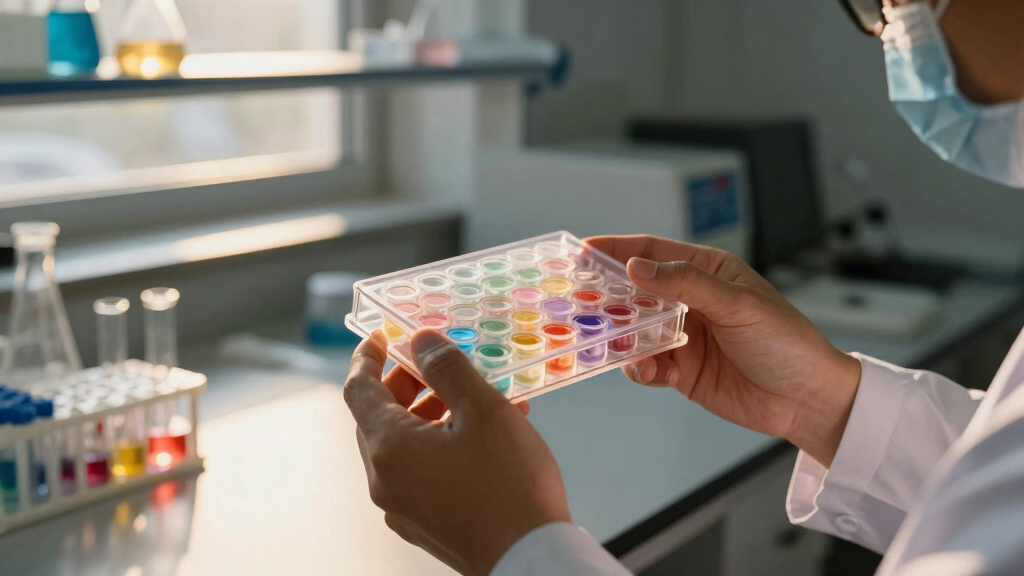
The Asia-Pacific market for 12-well culture plates is experiencing rapid growth, driven by rising biotech and pharmaceutical research. Market analysts project continued expansion over the next five years, with increasing adoption across laboratories.
Market research reports confirm that the Asia-Pacific region’s demand for 12-well culture plates is expanding rapidly, fueled by growth in biotech and pharmaceutical industries. This trend reflects increased investment in laboratory research and development, making the region a key growth area for laboratory consumables.
According to recent analysis by industry research firms, the Asia-Pacific market for 12-well culture plates is projected to grow at a compound annual growth rate (CAGR) of approximately 8% over the next five years. The market size was valued at around USD 150 million in 2023 and is expected to reach USD 220 million by 2028.
Major drivers include rising investments in biotech startups, expanding pharmaceutical R&D activities, and increased adoption of cell culture techniques in academic and commercial laboratories. Several local manufacturers are expanding production capacities to meet rising demand, with some multinational companies increasing their regional footprint.
Implications of Market Expansion for Industry Stakeholders
This growth signifies a strengthening of the biotech and pharmaceutical sectors in Asia-Pacific, with increased access to advanced laboratory consumables. It also suggests opportunities for local manufacturers to capture a larger market share and for international suppliers to expand their regional distribution networks. The trend indicates a broader shift toward increased research activity and innovation in the region.
Popular right now
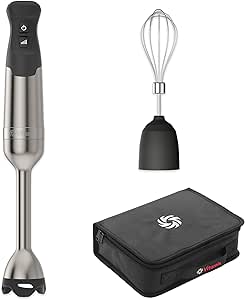
Vitamix 5-Speed Immersion Blender 3-Piece Bundle with Whisk and Storage Case

Breville Bambino Espresso Machine, Brushed Stainless Steel

KitchenAid Artisan 5-Quart Tilt-Head Stand Mixer, Blue Velvet
As an affiliate, we earn on qualifying purchases.
Regional Trends and Factors Driving Market Growth
The Asia-Pacific region has seen a surge in biotech startups and increased government funding for life sciences research in countries such as China, India, South Korea, and Japan. The COVID-19 pandemic accelerated demand for cell culture products, including 12-well plates, as laboratories ramped up vaccine and therapeutic research. Local manufacturing capacity has expanded, with several companies receiving regulatory approvals and certifications to serve both domestic and export markets.
Global market players are also increasing their presence through partnerships and regional manufacturing facilities, aiming to capitalize on the rising demand. Market analysts note that technological advances, such as automation and high-throughput screening, are further fueling the need for versatile culture plates.
“Local manufacturers are expanding capacities to meet the rising demand, which is a positive sign for the regional biotech ecosystem.”
— Dr. Ravi Kumar, CEO of BioTech Asia
Uncertainties Surrounding Market Forecast and Regional Factors
While forecasts are optimistic, uncertainties remain regarding potential supply chain disruptions, regulatory changes, and economic fluctuations that could affect growth. The impact of geopolitical tensions in some countries and potential trade restrictions are also unclear and may influence regional market dynamics.
Upcoming Developments and Market Monitoring Efforts
Industry analysts expect continued market monitoring over the next 12 months to assess the impact of new manufacturing capacities, regulatory shifts, and technological innovations. Companies are likely to announce new product launches and strategic partnerships aimed at consolidating their presence in the Asia-Pacific market. Additionally, government policies supporting biotech research could further accelerate growth.
Key Questions
What is driving growth in the Asia-Pacific 12-well culture plates market?
Growth is primarily driven by increased biotech and pharmaceutical research, rising investments, and technological advancements in cell culture techniques.
Which countries are leading the market expansion?
China, India, South Korea, and Japan are the main countries experiencing significant growth due to their expanding biotech sectors and government support.
Are there any risks that could slow down market growth?
Potential risks include supply chain disruptions, regulatory changes, economic fluctuations, and geopolitical tensions that may impact manufacturing and trade.
What opportunities exist for new entrants in this market?
New entrants can capitalize on increasing demand by offering innovative, cost-effective products and establishing regional manufacturing or distribution partnerships.
Source: rss