To boost your productivity, adopt habits like using Kanban to visualize your tasks and Agile to stay flexible with ongoing improvements. Prioritize effective time management by setting clear goals, breaking them into manageable steps, and allocating specific time slots. Delegate tasks wisely to empower your team and avoid micromanagement. Incorporate these frameworks into your routine, focusing on continuous growth. Keep exploring these strategies to liberate even greater efficiency and long-term success.
Key Takeaways
- Implement visual task management with Kanban boards to enhance clarity and track progress effectively.
- Adopt Agile practices for flexibility, continuous feedback, and iterative improvements in workflows.
- Set clear, actionable goals and break them into manageable steps for better focus and accountability.
- Delegate tasks appropriately to empower team members and reduce workload stress.
- Regularly evaluate and refine routines to optimize productivity and foster long-term success.

Are you looking for ways to boost your efficiency and stay ahead in your career? One of the most impactful habits you can develop is mastering time management and effective delegation. These skills allow you to prioritize tasks, reduce stress, and focus on what truly matters. Start by evaluating how you currently spend your workday. Keep track of your tasks, interruptions, and the time you dedicate to each activity. This awareness helps identify time-wasters and areas where you can improve. Once you understand your patterns, set clear goals and break them into manageable steps. Use tools like digital calendars or task management apps to allocate specific time slots for each activity, ensuring you stay on track and avoid last-minute rushes.
Track your tasks and interruptions to identify time-wasters and improve your productivity.
Effective delegation is equally essential. Recognize that you don’t have to do everything yourself. Delegating tasks to team members not only lightens your load but also empowers others and boosts overall productivity. When delegating, be clear about your expectations, deadlines, and the desired outcome. Providing proper guidance and resources ensures the task is completed effectively, saving you from unnecessary revisions or follow-ups. Trust your team’s capabilities; micromanaging often hampers progress and wastes your time. Instead, focus on overseeing progress and offering support when needed. Delegation, when done correctly, frees up your time for strategic thinking, decision-making, and high-priority projects.
In addition to time management and delegation, adopting productivity frameworks like Kanban or Agile can transform your workflow. Kanban, for instance, visualizes your tasks on boards, allowing you to see what’s in progress, what’s completed, and what’s upcoming. This method helps you manage your workload more effectively and prevents bottlenecks. Agile methodologies emphasize flexibility and continuous improvement, encouraging you to adapt quickly and refine your processes regularly. Incorporating these approaches into your routine fosters a proactive mindset, keeps tasks organized, and ensures you’re consistently moving forward.
Building productive habits isn’t just about working harder; it’s about working smarter. Embrace practices that optimize your time, empower your team, and streamline your processes. Over time, these habits become second nature, enabling you to handle increasing responsibilities with ease and confidence. Remember, the key to sustained success lies in continuous improvement — refine your habits, stay disciplined, and always look for ways to enhance your efficiency. With focus and deliberate action, you’ll find yourself achieving more, stress less, and advancing more rapidly in your career.

Scrum Board Tool Kit Magnetic Kanban Board, Office Task Management System with to Do, Doing, Verify, Done Columns, 4-Column Workflow Board for Project Planning
- Visual Workflow: 4-column magnetic task board
- Versatile Design: Magnetic surface for easy task rearrangement
- Professional Organization: Streamlined task and workflow management
As an affiliate, we earn on qualifying purchases.
As an affiliate, we earn on qualifying purchases.
Frequently Asked Questions
How Do I Choose the Right Productivity Method for My Role?
You should evaluate your workflow customization needs and role-specific strategies to pick the right productivity method. Think about how flexible the approach is for your tasks, and whether it aligns with your daily responsibilities. Try out a few options, like Kanban or Agile, to see what fits best. Focus on methods that adapt to your work style and help you stay organized, efficient, and motivated.
Can These Habits Be Adapted for Remote or Hybrid Teams?
Yes, you can adapt these habits for remote or hybrid teams by embracing virtual collaboration and flexible workflows. You’ll need to leverage digital tools to promote transparency, communication, and accountability. Set clear expectations, use visual boards for task management, and schedule regular check-ins. By doing so, you maintain productivity, foster teamwork, and guarantee everyone stays aligned, regardless of physical location. Flexibility and consistent communication become your greatest assets in this environment.
What Tools Best Support Kanban and Agile Practices?
You should consider using Kanban tools like Trello, Jira, or Kanbanize, which are designed to visualize workflows and manage tasks efficiently. Agile software such as Rally, VersionOne, or Azure DevOps also support iterative planning and collaboration. These tools streamline your processes, enhance transparency, and keep your team aligned, whether remote or hybrid. Pick the one that best fits your team’s size, needs, and integration requirements for ideal results.
How Do I Maintain Motivation With These Habits Long-Term?
Did you know that 60% of habits are maintained through consistent reinforcement? To sustain motivation long-term, focus on habit reinforcement by celebrating small wins and tracking progress regularly. Keep your routines flexible to avoid burnout, and remind yourself of the benefits these practices bring. Connecting your habits to your core goals guarantees ongoing motivation and helps you stay committed, making habit sustainability more achievable.
Are There Industry-Specific Productivity Strategies I Should Consider?
Yes, you should consider industry-specific productivity strategies to stay ahead. By analyzing current industry trends, you can tailor your approach to meet sector-specific challenges effectively. For example, tech professionals might leverage rapid prototyping, while healthcare workers focus on compliance and accuracy. Adapting your habits to align with these unique demands helps you work smarter, stay relevant, and boost your overall productivity in your specific field.

Agile Project Management For Dummies
As an affiliate, we earn on qualifying purchases.
As an affiliate, we earn on qualifying purchases.
Conclusion
By adopting these productive habits—like Kanban, Agile, and more—you release your full potential. Think of these tools as your trusted compass guiding you through the chaos of work, making every task clearer and achievable. Remember, habits shape your success; they’re the seeds you plant today for a thriving tomorrow. So, why not take the first step now? After all, the journey to productivity begins with a single, purposeful action.
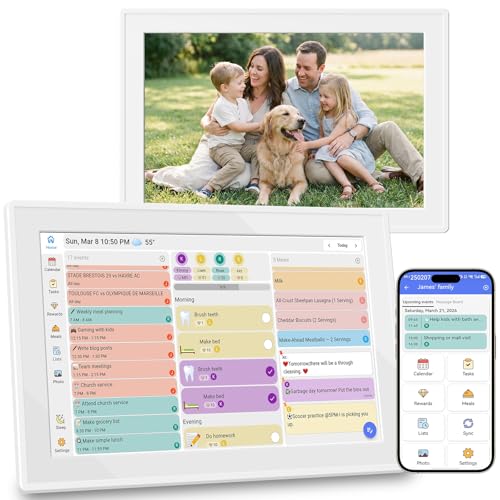
Digital Calendar 10.1" Touchscreen, Smart Electronic Wall Organizer, Chore List, Meal & Family Task Manager, Third-Party Calendar Sync, Picture Frame – Perfect Gifts for Mom & Women
- Family Hub with No Subscription: Syncs Google, iCloud, Outlook in real time
- Interactive Chore List for Kids: Assign tasks, monitor progress, and reward
- Smart Weekly Meal Manager: Displays menus, uploads recipes, generates grocery lists
As an affiliate, we earn on qualifying purchases.
As an affiliate, we earn on qualifying purchases.

Taja Undated Weekly Planner, To Do List Notebook with Habit Tracker, A5
- Weekly Planning: Undated planner for flexible weekly goals
- Elegant & Compact: Thick cover with gold coil, portable size
- Habit & Goal Tracking: Includes habit tracker and weekly goals
As an affiliate, we earn on qualifying purchases.
As an affiliate, we earn on qualifying purchases.