As a first-time manager, focus on understanding your team’s strengths, goals, and challenges to boost motivation. Celebrate achievements and communicate clearly to foster engagement. Address conflicts quickly and openly, listening carefully to all sides to find solutions. Build trust by encouraging participation and being fair. Keep adapting your approach based on team dynamics. Staying attentive to these essentials will help you lead confidently and effectively—discover more tips to become a great leader.
Key Takeaways
- Build strong relationships by understanding individual strengths, goals, and challenges to foster motivation and trust.
- Set clear expectations and involve team members in goal-setting to increase ownership and commitment.
- Recognize achievements regularly with specific, sincere feedback to boost morale and engagement.
- Address conflicts promptly and fairly, encouraging open communication and focusing on solutions.
- Continuously develop your leadership skills through active listening, seeking advice, and adapting to team dynamics.

Becoming a first-time manager is both an exciting and challenging milestone. You’re stepping into a role where your actions directly influence your team’s success, and that responsibility can feel overwhelming at first. To succeed, you need to master key skills like maintaining team motivation and resolving conflicts effectively. These are fundamental to building a cohesive, high-performing team that trusts your leadership.
Team motivation is the fuel that keeps your team moving forward. As a new manager, your goal should be to understand what drives each team member. Take the time to get to know their individual strengths, goals, and challenges. Recognize their achievements regularly and provide meaningful feedback. People thrive when they feel valued, so make sure your praise is sincere and specific. Additionally, set clear expectations and involve your team in goal-setting; this gives them ownership of their work and boosts motivation. Remember, a motivated team is more engaged, productive, and committed to shared objectives.
Conflict resolution is another essential skill you’ll need to develop quickly. Conflicts are inevitable in any team, but how you handle them can make all the difference. When disagreements arise, address them promptly and calmly. Listen carefully to each side without jumping to conclusions, and aim to understand the root cause of the problem. Encourage open communication and create a safe space where team members feel comfortable sharing their perspectives. Focus on finding common ground and solutions rather than assigning blame. If you handle conflicts with fairness and transparency, you’ll foster a culture of trust and respect. This not only resolves tensions but also strengthens your team’s cohesion.
Balancing team motivation and conflict resolution requires ongoing effort. You’ll need to be attentive and adaptable, adjusting your approach based on individual needs and team dynamics. As a first-time manager, don’t hesitate to seek advice or mentorship from more experienced colleagues. Learning how to motivate your team and resolve conflicts effectively will improve your leadership skills and help you build a resilient, motivated team that can overcome challenges together. Incorporating sound healing science techniques can also subtly enhance your team’s overall well-being and cohesion over time.
Ultimately, your success as a first-time manager hinges on your ability to inspire your team and handle conflicts with tact and fairness. Keep communication open, stay approachable, and always prioritize the well-being of your team members. With dedication and practice, you’ll develop the confidence needed to lead effectively, turning challenges into opportunities for growth.

Daily Flip Calendar with Inspirational Quotes - Motivational Perpetual Calendar Desk Office Home Decor for Women, Gifts Desk Accessories for Girls Positive Affirmations
- Sturdy Cardboard Base: Thick, durable, double-sided stand
- Compact Size: 6 x 4.3 inches, space-saving
As an affiliate, we earn on qualifying purchases.
Frequently Asked Questions
How Do I Handle Conflicts Within the Team Effectively?
When conflicts arise, you should focus on conflict resolution by addressing issues openly and calmly. Use emotional intelligence to understand each team member’s perspective and feelings. Encourage active listening, ask clarifying questions, and stay neutral. By fostering a respectful environment, you help your team resolve disagreements constructively. Remember, handling conflicts effectively builds trust and strengthens your team’s cohesion, making everyone more motivated and productive.
What Are the Best Ways to Motivate New Team Members?
You might think motivating new team members is tough, but it’s simple with the right approach. Start by setting clear goals and providing regular team recognition for their achievements. When you celebrate progress, it boosts their confidence and commitment. Show genuine interest in their growth, and encourage open communication. This creates a positive environment where new members feel valued, motivated, and enthusiastic to contribute their best every day.
How Can I Build Trust With My Team Quickly?
You can build trust quickly by prioritizing open team communication and practicing transparency. Share your goals, decisions, and challenges honestly, encouraging your team to do the same. Listen actively and show genuine interest in their input. When you’re transparent about processes and decisions, your team feels valued and respected, fostering trust. Consistently follow through on promises and be approachable, creating a culture of openness that strengthens your relationships.
What Should I Prioritize During My First Month as a Manager?
Think of your first month as planting seeds for a thriving garden. Prioritize team onboarding to understand each member’s strengths and establish clear goals together. Focus on building rapport, clarifying expectations, and fostering open communication. By setting a solid foundation early, you’ll create a cohesive team that’s motivated and aligned with your vision. Remember, strong roots lead to a healthy, productive team—so invest time in these initial steps.
How Do I Balance Managerial Responsibilities With Individual Tasks?
You should use delegation strategies to distribute individual tasks effectively, freeing up time for your managerial responsibilities. Prioritize tasks based on urgency and importance, and set clear deadlines. Implement time management techniques like batching similar activities and avoiding multitasking. By trusting your team and focusing on strategic oversight, you’ll balance your responsibilities better, ensuring both your tasks and team needs are met efficiently.

Wooden Motivational Office Desk Decor 4in - Never Forget The Difference You Make - Positive Reminder Inspirational Plaque with Stand for Home Office Desk Decor & Accessories Gift for Women Men- A17
- Motivational Desk Decor: Inspires with positive daily reminder
- Stable Tabletop Stand: Fits desks, cubicles, and tabletops
- Premium Wooden Material: Durable, high-quality, long-lasting print
As an affiliate, we earn on qualifying purchases.
Conclusion
Now that you’re stepping into management, remember, you hold the power to transform your team’s future—literally shaping success itself! With each decision, you’re not just guiding; you’re building an unstoppable force that could move mountains. Stay confident, stay humble, and embrace every challenge like it’s your ticket to greatness. Because if you master these tips, you might just become the legendary leader everyone talks about for generations to come!

Inspirational Motivational Gifts Employee Appreciation Gifts
- Inspirational Desk Sign: Motivational desk decoration with quote
- Positive Daily Reminder: Clear acrylic sign with modern design
- Sign Dimensions: Includes 4x4 inch acrylic sign
As an affiliate, we earn on qualifying purchases.
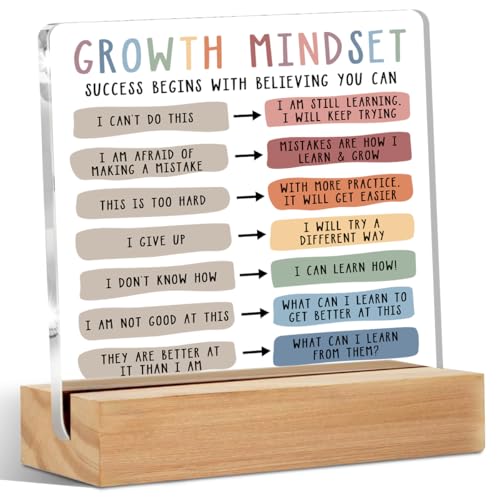
Growth Mindset Table Desk Decors, Positive Affirmations Acrylic Sign
- High Quality Materials: Durable acrylic and wood construction
- Bright, Clear Printing: Vivid quotes and images
- Compact Size: 4x4 inch tabletop decoration
As an affiliate, we earn on qualifying purchases.