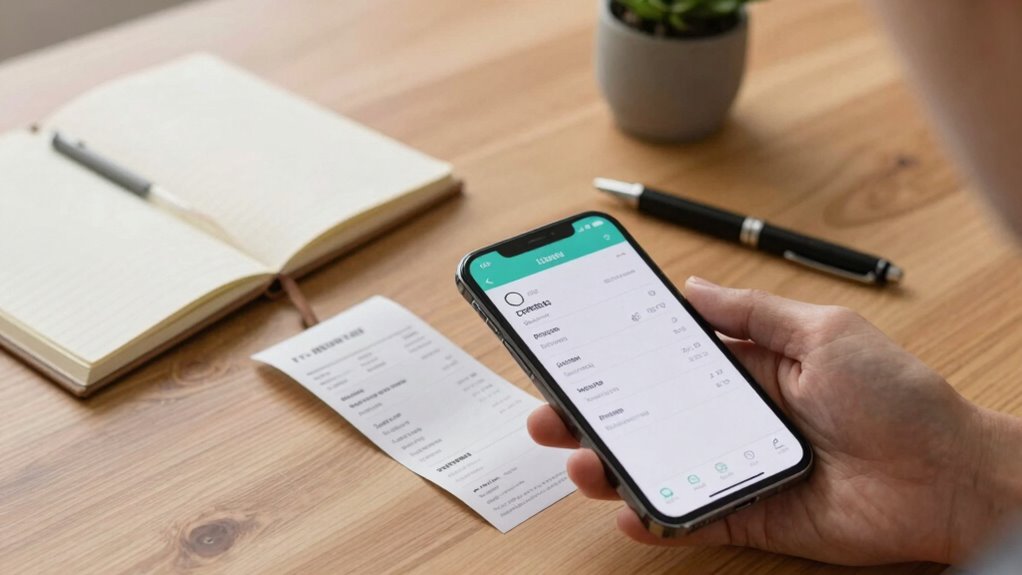

To build a receipt capture routine you’ll stick with, establish a consistent schedule by designating a specific time daily or weekly for collecting and organizing receipts. Use apps or scanners to quickly upload or digitize receipts, and keep small folders or envelopes for physical ones until they’re processed. Maintaining a tidy approach and integrating these habits into your routine makes the task effortless and stress-free—if you keep at it, you’ll find it becomes second nature and more manageable over time.

Get the little things that make your day delivered free with Prime
- Fast, free delivery on millions of items
- Prime Video, Amazon Music and more included
- Member-only deals all year
Key Takeaways
- Establish a consistent daily or weekly schedule dedicated to collecting and processing receipts.
- Use digital tools like scanning apps to quickly capture and categorize receipts immediately.
- Designate a specific place for physical receipts and discard them after digital entry.
- Keep routines simple and repeatable to build habit strength over time.
- Track progress and adjust your system to ensure it remains manageable and effective.
Creating an effective receipt capture routine is essential for maintaining organized records and simplifying expense tracking. When you develop a consistent process, you prevent receipts from piling up and becoming unmanageable. The key is to make the routine straightforward and easy to stick to, so it becomes a natural part of your daily or weekly habits. Digital organization plays a crucial role here; by leveraging technology, you can streamline your receipt management and reduce the chances of losing important documents. Using apps or software that allow quick photo uploads or scanning makes the process seamless, saving you time and effort. The goal is to capture receipts as soon as possible after a purchase, rather than letting them accumulate, which can lead to forgetfulness or misplaced documents.
To build a routine that sticks, start by designating a specific time each day or week to handle receipts. Whether it’s right after your workday ends or Sunday evenings, consistency is what turns a task into a habit. During this dedicated time, set up your digital organization system—open your receipt app or scanning software, and gather all receipts in one place. This minimizes distractions and helps you focus, ensuring that each receipt gets recorded promptly. As you scan or photograph your receipts, be diligent about entering relevant details like purchase categories, amounts, and dates. This practice makes expense tracking more accurate and reduces the need for later corrections. Incorporating a simple, repeatable step into your routine increases the likelihood you’ll follow through. For example, you might keep a small, designated folder or envelope for physical receipts if you prefer collecting paper copies temporarily. Once scanned, discard the physical receipt if it’s no longer needed, or store it securely if you must keep it for warranty or tax purposes. Over time, this habit becomes second nature, and digital organization keeps your records neat, accessible, and easy to review. Additionally, understanding the importance of digital organization can motivate you to stay consistent, as it directly impacts the efficiency and reliability of your record-keeping system. Developing a clear workflow and sticking to it ensures that your receipt management remains manageable and stress-free. When you integrate this routine into your regular schedule, expense tracking becomes less stressful and more precise, giving you a clear overview of your spending.
Building a receipt capture routine that sticks is about making it effortless and consistent. Use technology to your advantage, set specific times for this task, and keep the process simple. Soon, managing receipts and tracking expenses will feel less like a chore and more like an integrated part of your financial routine. Developing a habit formation approach can help ensure that your new routine becomes a lasting part of your financial management. Remember, creating a systematic approach to your receipt management encourages long-term adherence and reduces the chance of oversight.
As an affiliate, we earn on qualifying purchases.
Frequently Asked Questions
How Long Does It Typically Take to Establish a New Routine?
It typically takes about 21 to 66 days to establish a new routine, but it varies based on the habit formation process and your consistency. The key is maintaining behavioral consistency, so you stay committed. You might see progress sooner, but staying persistent is essential. Focus on small, manageable steps, and gradually, your new habit will become automatic, making it easier to stick with long-term.
What Tools Are Best for Automatic Receipt Capture?
Think of your tools as the lighthouse guiding your receipt organization journey. Apps like Expensify and Receipt Bank shine brightly, offering automatic receipt capture and expense categorization. They scan, categorize, and sync seamlessly, turning chaos into clarity. These tools act as your digital assistants, ensuring your receipts are captured effortlessly, categorized accurately, and stored securely. With their help, managing expenses becomes a breeze, freeing you from manual clutter and focus on what truly matters.
How Do I Handle Lost or Misplaced Receipts?
When you lose or misplace receipts, focus on digital organization to prevent future issues. Scan or photograph receipts promptly and store them securely in your digital system, reducing reliance on paper storage. Consider using receipt capture apps that automatically categorize and back up your receipts. This way, you maintain a clear, organized record, making it easier to find what you need and avoid losing important documents in the future.
Can a Receipt Routine Be Customized for Different Expense Types?
Yes, you can customize your receipt routine for different expense types. Focus on expense categorization by creating tailored prompts or labels for each category, making it easier to sort later. Adjust receipt formatting guidelines—like photo angles or detail emphasis—based on the expense type. This personalized approach streamlines your process, making it more intuitive and effective, ultimately helping your routine feel natural and sustainable over time.
What Are Common Reasons Routines Fail to Stick?
Routines often fail to stick because habit formation isn’t consistent, and behavioral triggers aren’t clear or strong enough. You might forget to scan receipts regularly or lack cues that remind you to do so. To improve, set specific triggers—like after grocery shopping or during lunch—and reinforce the habit daily. Without strong cues and repetition, your new routine struggles to become automatic, causing it to fade over time.
As an affiliate, we earn on qualifying purchases.
Conclusion
Building a reliable receipt capture routine is like planting a sturdy tree—you need consistent care, patience, and the right environment. When you nurture this habit, receipts become leaves in your financial forest, each one essential and interconnected. Over time, your routine grows strong, providing shade and clarity amidst chaos. Stick with it, and you’ll find that your organized records stand tall, weathering any storm, revealing a lush landscape of financial control and peace of mind.
As an affiliate, we earn on qualifying purchases.
As an affiliate, we earn on qualifying purchases.
Fall Picks
fall essentials
As an affiliate, we earn on qualifying purchases.