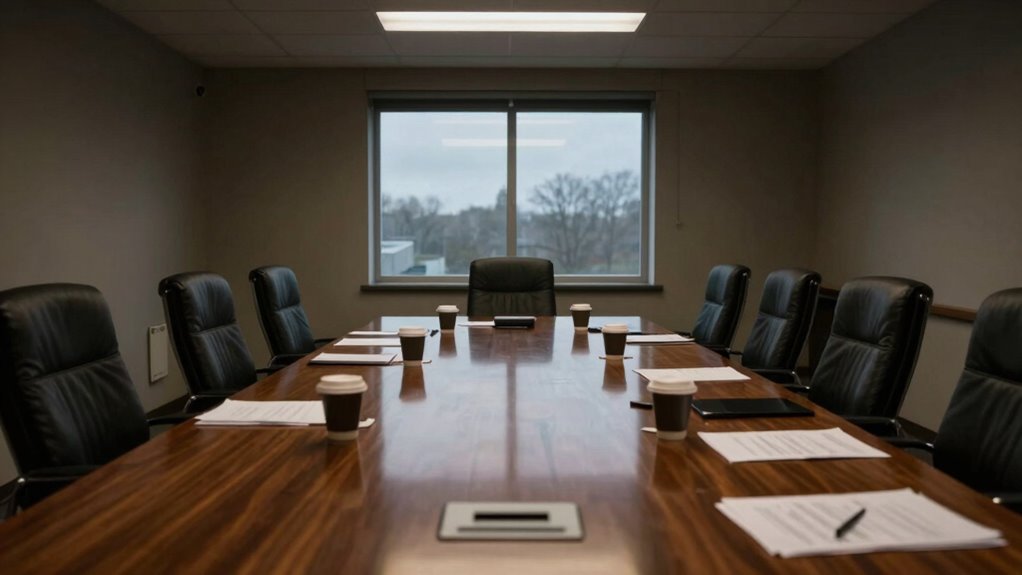

Meetings feel so draining now because virtual fatigue makes it harder to stay focused and engaged. Your brain works harder to interpret non-verbal cues and juggle multiple windows, which increases mental load. Back-to-back meetings leave little time to reset, causing overwhelm and exhaustion. As your focus wanes, frustration and disengagement grow, leading to burnout. If you wanna understand how to manage this mental drain better, there’s more to discover below.

Get the little things that make your day delivered free — and shop member deals
- Fast, free delivery on millions of items
- Access to Prime Big Deal Days deals on October 6–7
- Prime Video, Amazon Music and more included
Key Takeaways
- Virtual meetings require more mental effort to interpret non-verbal cues, increasing cognitive load.
- Continuous back-to-back meetings prevent mental reset, leading to burnout and reduced focus.
- Managing multiple windows and distractions heightens mental exhaustion during remote sessions.
- Lack of physical cues and engagement diminishes attention, causing mental fatigue.
- Overloading mental resources without breaks drains energy, making meetings feel draining.
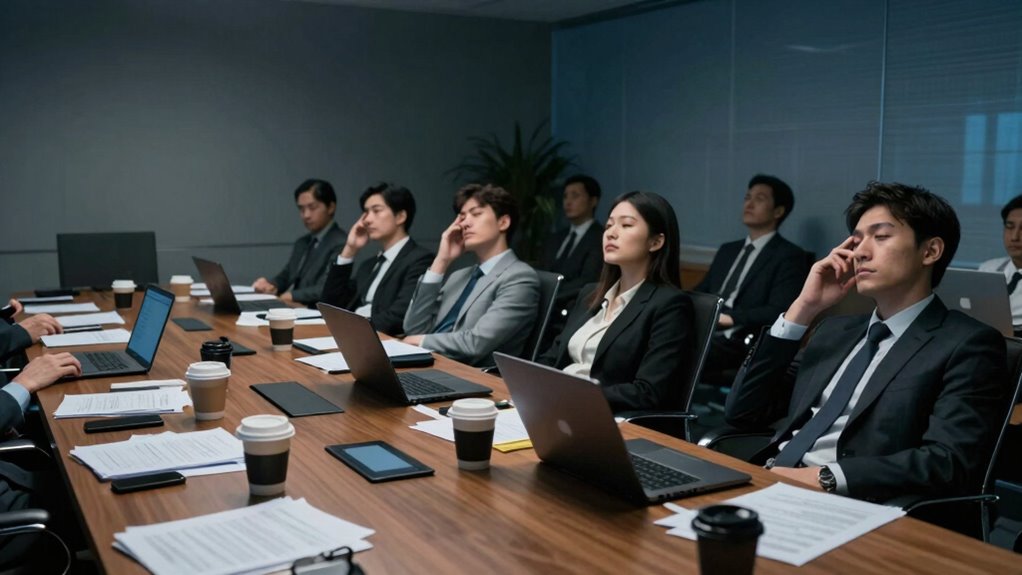
If meetings are starting to feel more draining than productive, you’re not alone. Many people find themselves battling a sense of virtual fatigue that seems to grow with each online session. The shift to remote work has transformed how we meet, but it hasn’t necessarily made those meetings easier or more engaging. Instead, it’s often led to a decline in attention span, making it harder to stay focused for long periods. When you’re on a video call, your brain works overtime to process visual cues, maintain attention, and filter out distractions—yet, it’s not always enough to keep you fully engaged. As a result, your mind wanders, and you start feeling drained long before the meeting ends.
The reality is, virtual fatigue isn’t just about staring at a screen. It’s a complex phenomenon that drains your mental energy because your brain has to work harder to interpret non-verbal cues, manage multiple windows, and stay alert without the usual physical cues that help keep you engaged in person. Over time, this mental exertion wears you down, making each subsequent meeting feel more exhausting. Plus, your attention span shrinks when you’re subjected to back-to-back video calls, especially without enough breaks. Your brain needs time to reset, but the constant stream of meetings leaves little room for that, leading to a sense of overwhelm and burnout. Recognizing the importance of mental energy can help you prioritize strategies to conserve your focus and reduce fatigue.
You might notice that your ability to concentrate during meetings diminishes after just a few minutes. That’s because attention span naturally wanes when you’re forced to focus intensely for extended periods, especially in a virtual environment. When your attention drifts, you’re more likely to miss key points, become disengaged, or check out mentally. This disengagement not only affects your productivity but also amplifies feelings of frustration and fatigue. The more you try to push through, the more drained you feel afterward, as your brain struggles to recover from the constant cognitive load. Recognizing how virtual fatigue impacts your mental energy can help you implement effective strategies to improve your focus and well-being during meetings. Additionally, understanding the cognitive load involved can guide you in creating more mindful meeting practices that preserve your mental resources. Employing techniques to limit multitasking and minimize distractions can also lessen the mental strain and help sustain your engagement.
ergonomic standing desk converter
As an affiliate, we earn on qualifying purchases.
As an affiliate, we earn on qualifying purchases.
Frequently Asked Questions
How Can I Make Meetings More Engaging?
To make meetings more engaging, focus on team bonding and creative collaboration. Start with icebreakers or quick team-building activities to energize everyone. Encourage open discussions where all voices are heard, and incorporate visual aids or interactive tools to keep interest high. Break into small groups for specific tasks, fostering collaboration. When people feel connected and involved, meetings become more dynamic, productive, and enjoyable for everyone.
What Are Alternative Ways to Communicate Without Meetings?
You can replace meetings with asynchronous updates through project management tools like Slack or Trello, where team members share progress anytime. Digital collaboration platforms enable real-time document editing and feedback, reducing the need for constant meetings. By leveraging these methods, you keep everyone informed and engaged without the drain of traditional meetings, saving time and fostering more flexible, productive communication.
How Does Meeting Fatigue Affect Productivity Long-Term?
A stitch in time saves nine, and ignoring meeting fatigue can cost you. When you experience mental exhaustion and decreased focus from too many meetings, your productivity drops long-term. Over time, this drains your energy, hampers decision-making, and reduces overall efficiency. To stay effective, you need to balance meetings with focused work, or you’ll find yourself battling burnout, which only worsens your ability to perform at your best.
Are There Specific Times of Day Better for Meetings?
The ideal timing for meetings is during your peak productivity hours, typically mid-morning or early afternoon. Scheduling meetings during these times helps you stay engaged and alert, reducing fatigue. Avoid early mornings or late afternoons when energy dips. By aligning meetings with your most alert periods, you maximize focus, minimize drain, and keep productivity high throughout the day. This approach guarantees meetings are efficient and less draining overall.
How Can Managers Reduce Unnecessary Meetings?
Think of meetings as a garden—you need careful planning to avoid weeds. To reduce unnecessary meetings, you should prioritize effective meeting scheduling and clear agenda setting. Only hold meetings when essential, with a focused purpose, and share agendas in advance. This way, you cut down on wasting time, keep everyone engaged, and guarantee discussions stay on track, transforming meetings from draining to productive collaborations.
blue light blocking glasses for computer
As an affiliate, we earn on qualifying purchases.
As an affiliate, we earn on qualifying purchases.
Conclusion
So, next time meetings drain you, remember it’s not just about hours spent or topics discussed. It’s about feeling heard, feeling engaged, and feeling valued. When meetings lack clarity, connection, and purpose, they drain your energy and creativity. But when you bring focus, foster participation, and set clear goals, meetings can energize rather than exhaust. Make each meeting meaningful, make each moment count, and reclaim your time and your spirit.
noise cancelling headphones for work
As an affiliate, we earn on qualifying purchases.
As an affiliate, we earn on qualifying purchases.
As an affiliate, we earn on qualifying purchases.
Fall Picks
fall essentials
As an affiliate, we earn on qualifying purchases.